
How to Create a Beautiful Vertical Garden on Your New York City Balcony
Introduction
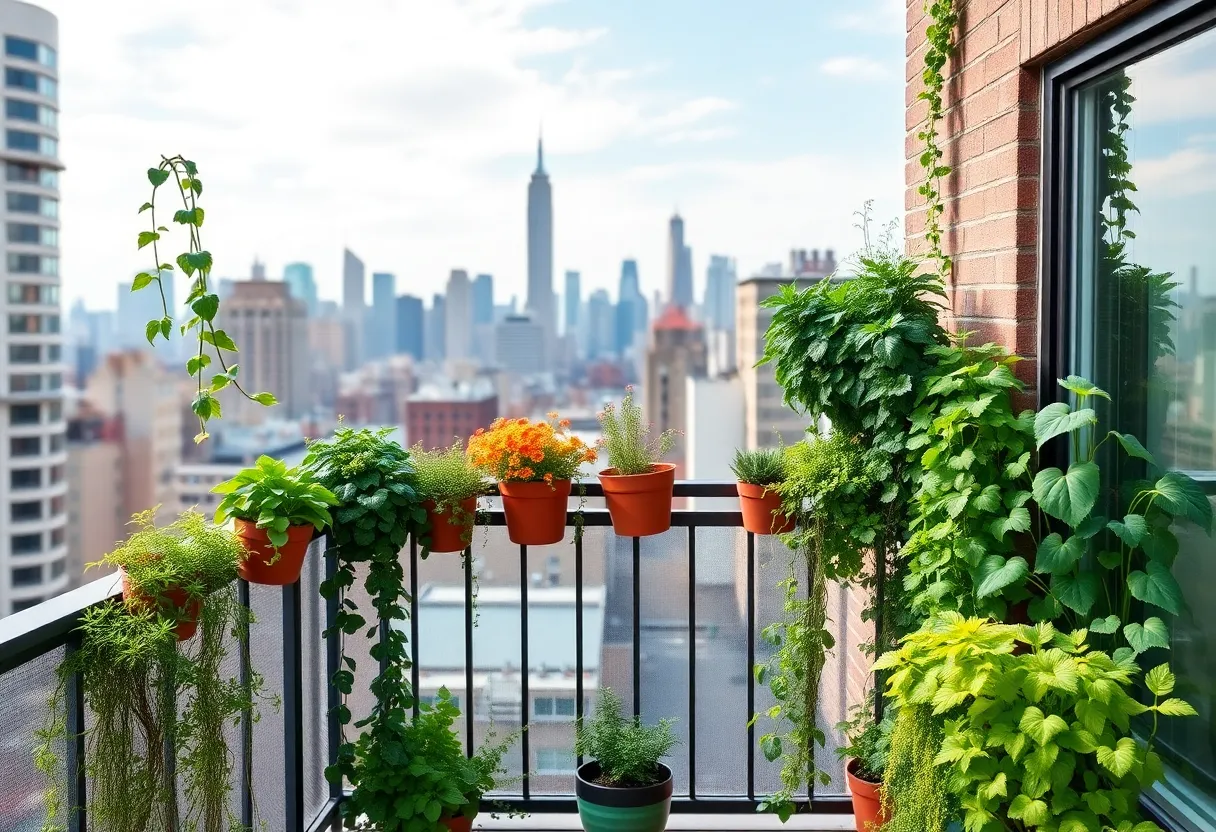
Transforming a New York City balcony into a lush vertical garden offers an exceptional solution to urban space limitations. Vertical gardens maximize available space by growing plants upward, making them ideal for city dwellers with confined outdoor areas. This comprehensive guide emphasizes effective strategies, plant selection, and maintenance practices to develop a thriving, attractive vertical garden tailored to NYC’s unique environment.
Understanding Vertical Gardening
Vertical gardening involves cultivating plants on support structures such as trellises, wall-mounted containers, and hanging planters. This technique elevates greenery into the vertical plane, providing numerous advantages:
- Space efficiency: Utilizes underused wall or railing spaces.
- Increased plant diversity: Supports a range of ornamental and edible plants.
- Aesthetic appeal: Adds visual interest and lushness to urban landscapes.
In NYC, where limited outdoor square footage is common, vertical gardens serve as effective solutions for creating tranquil, green environments amidst dense urban structures.
Assessing Your Balcony’s Conditions
Effective vertical gardening hinges on understanding your specific balcony environment. Critical factors include:
Sunlight Exposure
Determine whether your balcony receives full sun, partial shade, or shade. Most flowering and edible plants require at least 4-6 hours of direct sunlight daily. Use a sunlight meter or observe daily sunlight patterns for accurate assessment.
Wind Exposure
NYC balconies can be breezy, which can impact plant stability and moisture retention. To mitigate wind damage, consider installing windbreaks such as lightweight screens, or positioning plants against protected walls.
Weight Limitations
Assess your balcony’s weight capacity for planters, soil, and mature plants. Select lightweight containers like resin or fabric planters if weight constraints are tight, and avoid overly dense soil mixes.
Water Access and Drainage
Plan for efficient watering methods. Implementing drip irrigation systems or self-watering planters eases maintenance and prevents over- or under-watering, which is critical in container setups.
Choosing the Right Plants
Selecting plants compatible with urban conditions and vertical growth enhances success rates. Consider the following categories:
Climbing and Vining Plants
- English Ivy (Hedera helix): Provides permanent greenery, tolerates partial shade, and is easy to train on trellises or wires.
- Clematis (Clematis spp.): Offers vibrant flowers, performs well in full sun to partial shade, and adds color along vertical supports.
Herbs
- Basil (Ocimum basilicum): Sun-loving, requires regular pruning, thrives in containers placed in sunny spots.
- Mint (Mentha spp.): Flourishes in partial shade, grows vigorously, best grown in dedicated containers to contain its spread.
Succulents and Drought-Tolerant Plants
- Sedum (Sedum spp.): Requires minimal watering, prefers full sun, excellent for lightweight vertical planters.
- Echeveria (Echeveria spp.): Architectural rosettes, minimal care, tolerate hot, dry conditions.
Ferns and Shade-Loving Plants
- Boston Fern (Nephrolepis exaltata): Prefers indirect light and humidity, suitable for shaded sections.
- Maidenhair Fern (Adiantum spp.): Fragile, requires moist, shaded microclimate within the vertical structure.
Designing Your Vertical Garden
Thoughtful design enhances both functionality and visual appeal. Consider:
Structural Elements
- Trellises and Lattice Panels: Support climbing plants; choose durable, corrosion-resistant materials.
- Wall-Mounted Planters: Install directly onto walls or railings; ideal for narrow or small spaces.
- Hanging Baskets: Utilize overhead space for trailing plants or herbs, adding depth and dimension.
Layout and Composition
- Layering Techniques: Position taller plants at the back or center, with shorter or trailing plants in front to ensure light access and visual layering.
- Accessibility: Design for easy maintenance—pruning, watering, harvesting—especially for edible plants.
- Color and Texture: Use complementary colors and varied leaf textures to create a visually balanced and vibrant ensemble.
Planting and Maintenance
Proper care sustains a lush and healthy vertical garden. Focus on the following practices:
Soil and Containers
Utilize high-quality, well-draining potting mixes tailored for container gardening. Lightweight mixes help reduce load and improve aeration.
Watering
Ensure plants receive thorough watering, allowing excess to drain away. This helps prevent root rot. Drip irrigation systems can automate watering routines and improve consistency.
Fertilizing
Apply slow-release, balanced fertilizers periodically to maintain nutrient levels. For herbs and vegetables, supplement with liquid feed during active growth.
Pruning and Training
Regularly prune dead or diseased foliage. Train vines to grow along supports, and trim overgrown plants to preserve shape and health. Pruning encourages dense, bushy growth, improving light penetration.
Pest Management
Monitor for pests such as aphids, spider mites, or scale. Employ organic pest control methods like neem oil or insecticidal soaps to minimize chemical exposure, especially for edible plants.
Seasonal Considerations
Urban climates pose unique challenges across seasons:
Winter
Most tropical or tender plants cannot survive freezing temperatures. Options include:
- Moving containers indoors
- Using frost-resistant plants
- Installing protective covers or insulation around containers
Summer
High temperatures and humidity can stress plants. Mitigate this by:
- Providing shade during peak heat hours
- Ensuring consistent watering to cope with increased evaporation
- Applying mulch to retain soil moisture
Additional Tips for Success
- Use lightweight, durable containers to facilitate mobility and reduce structural stress.
- Opt for a modular design allowing flexibility in plant arrangement and expansion.
- Incorporate vertical irrigation systems to streamline watering and prevent uneven moisture distribution.
- Avoid overloading with excessive soil or plants, which can compromise balcony integrity.
- Plan for maintenance routines to ensure ongoing health and aesthetics of your garden.
Conclusion
Developing a vertical garden on your NYC balcony is a sustainable and rewarding way to enhance urban living. Success depends on choosing suitable plants, understanding environmental conditions, and applying thoughtful design and maintenance. Though space is limited, a well-executed vertical garden can provide a lush retreat, improve air quality, and support urban biodiversity. Engage with each season proactively for year-round beauty and productivity, creating a personal oasis amid New York City’s dynamic landscape.

Author: STAFF HERE NEW YORK WRITER
The NEW YORK STAFF WRITER represents the experienced team at HERENewYork.com, your go-to source for actionable local news and information in New York, the five boroughs, and beyond. Specializing in "news you can use," we cover essential topics like product reviews for personal and business needs, local business directories, politics, real estate trends, neighborhood insights, and state news affecting the area—with deep expertise drawn from years of dedicated reporting and strong community input, including local press releases and business updates. We deliver top reporting on high-value events such as New York Fashion Week, Macy's Thanksgiving Day Parade, and Tribeca Film Festival. Our coverage extends to key organizations like the Greater New York Chamber of Commerce and United Way of New York, plus leading businesses in finance and media that power the local economy such as JPMorgan Chase, Goldman Sachs, and Bloomberg. As part of the broader HERE network, including HEREBuffalo.com, we provide comprehensive, credible insights into New York's dynamic landscape.