
10 Tips for Designing a Beautiful and Sustainable Garden in New York’s Urban Landscape
Urban gardening in New York City offers a unique set of challenges and opportunities. The dense city environment requires innovative approaches to cultivate green spaces that are both attractive and environmentally responsible. Implementing sustainable practices is essential to create a resilient garden that benefits both the environment and the community. Below are ten essential tips to guide the development of a beautiful and sustainable garden within New York’s bustling urban landscape.
1. Embrace Native Plants
Native plants are inherently suited to the climate, soil, and ecological conditions of New York. They establish more easily and require less maintenance once established. Incorporating them into your garden supports the local ecosystem, providing food and habitat for native fauna such as birds, butterflies, and beneficial insects. Using native species reduces water consumption, minimizes the need for chemical fertilizers, and promotes biodiversity. Focus on selecting plants that flourish in compact spaces and thrive with minimal intervention, ensuring your garden remains resilient and environmentally friendly over time.
2. Maximize Vertical Space
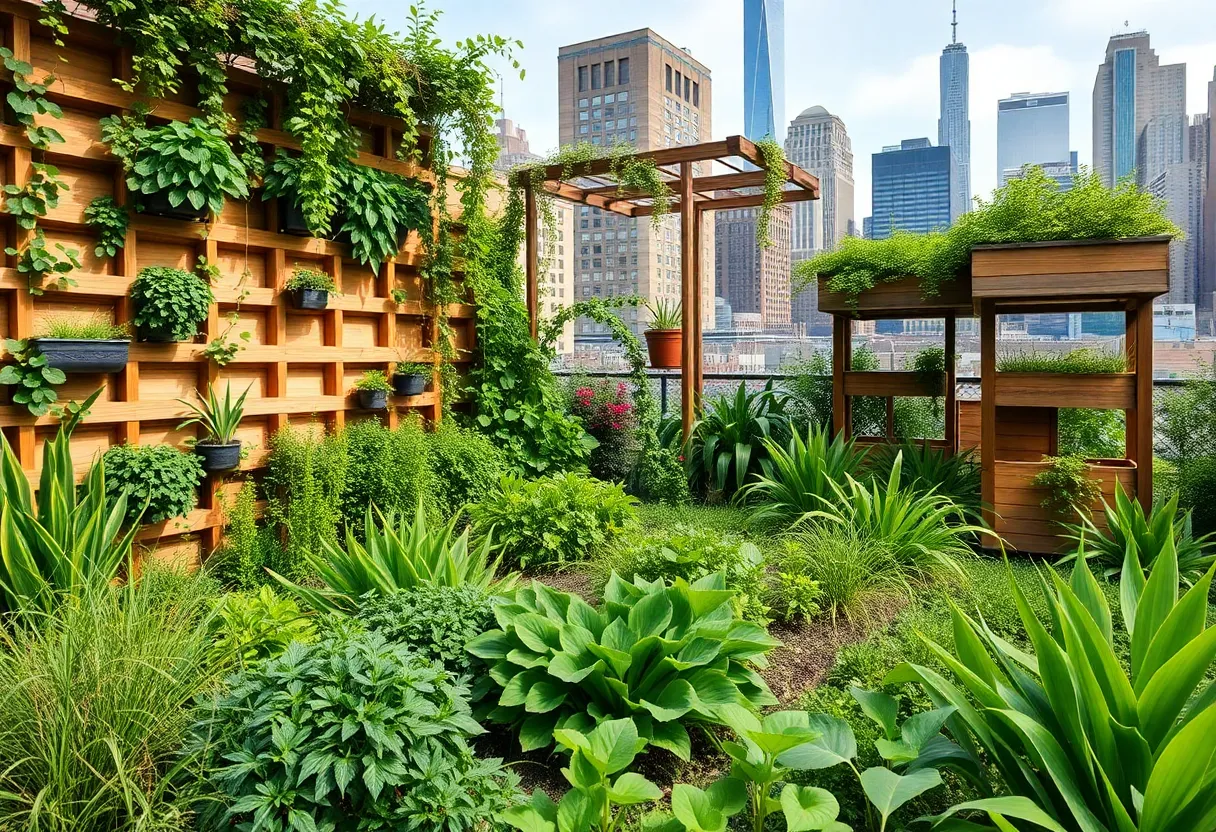
Limited ground area in urban settings makes vertical gardening an effective solution. Use wall-mounted planters, hanging baskets, and trellises to expand planting capacity without sacrificing ground space. Climbing plants such as flowering vines or edible crops like beans and cucumbers can be trained vertically, maximizing yield and visual interest. Vertical gardens also enhance privacy, reduce noise, and break up the visual monotony of urban surroundings. Properly designed vertical structures support plant health by improving airflow and sun exposure, essential for vigorous growth.
3. Implement Efficient Watering Practices
Water management is critical in urban environments where stormwater runoff and water scarcity pose challenges. Drip irrigation systems deliver water directly to roots, reducing wastage and evaporation. Collecting rainwater in barrels captures natural precipitation, further decreasing dependency on municipal water supplies. Timing watering early in the morning allows plants to absorb sufficient moisture before heat peaks, reducing stress and fungal issues. Employing these efficient watering techniques ensures your garden remains healthy while conserving vital water resources, aligning with environmentally sustainable goals.
4. Choose Sustainable Materials
Selecting eco-friendly materials for planters, pathways, and structures significantly reduces environmental impact. For containers, opt for recycled or sustainably sourced materials such as fiberglass, which is lightweight and durable. Hardscaping with permeable surfaces like gravel or clay pavers allows rainwater to penetrate the ground, lessening runoff and filtering pollutants. Incorporating natural materials minimizes heat retention typical of urban environments, contributing to a cooler microclimate. These choices foster a sustainable landscape that is both functional and visually appealing.
5. Create Microclimates
Urban landscapes are influenced by microclimates—localized zones with distinct conditions caused by buildings, wind patterns, and shade. By observing your space, you can identify areas with varying sunlight, shadow, or wind exposure. Plant accordingly: choose sun-loving plants for sunnier spots and shade-tolerant species where light is limited. Installing structures such as pergolas or using reflective surfaces can manipulate microclimates, creating favorable conditions for a wider variety of plants. Recognizing and leveraging these microclimates enhances plant health and overall garden sustainability.
6. Incorporate Edible Plants
Growing edible plants in an urban garden not only provides fresh produce but also encourages sustainable food practices. Select compact, container-friendly varieties like cherry tomatoes, herbs, and strawberries to maximize space and yields. Edible plants add ornamental value while serving functional purposes, reducing the carbon footprint associated with food transportation. Designing with edibles in mind can foster community engagement, promote local food security, and foster a sense of ownership among residents.
7. Utilize Mulching Techniques
Mulching preserves soil moisture, suppresses weeds, and moderates soil temperature. Organic mulches such as wood chips, straw, or shredded leaves gradually decompose, enriching the soil with organic matter. Mulch also prevents soil erosion and reduces the need for watering and chemical interventions. Proper mulching practices foster a healthy, biologically active soil ecosystem, essential for sustainable gardening. Regular replenishment of mulch ensures continued benefits and maintains optimal conditions for plants.
8. Support Pollinators
Pollinators are vital for healthy gardens, especially in dense urban environments where natural habitats are limited. Cultivate nectar-rich flowers that attract bees, butterflies, and hummingbirds. Avoid using chemical pesticides; opt instead for natural pest management methods to safeguard pollinator populations. Creating a pollinator-friendly environment enhances biodiversity, improves plant pollination rates, and contributes to broader ecological health. Incorporate native flowering plants that bloom at different times, ensuring continuous support for pollinator species throughout the year.
9. Practice Composting
Organic waste management through composting reduces landfill contributions and enhances soil fertility. Urban residents can participate in local composting programs or establish small-scale compost systems within their gardens. Composting recycles food scraps and yard waste into nutrient-rich soil amendments, reducing dependence on chemical fertilizers. Proper composting practices involve balancing green and brown materials, maintaining aeration, and monitoring moisture levels. Implementing composting fosters a self-sustaining system, closing the nutrient loop and supporting resilient urban gardens.
10. Plan for Seasonal Interest
Design your garden for year-round appeal by including a diversity of plants with different blooming periods and structural traits. Use evergreen species to maintain greenery during winter. Incorporate spring bulbs for early color, summer flowering perennials for vibrancy, and deciduous trees with striking fall foliage. Planning for seasonal change ensures the garden remains an engaging space across all months. Selecting appropriate plants based on microclimate conditions maximizes visual interest and ecological resilience. A thoughtfully curated seasonal palette creates a dynamic, sustainable garden that elevates urban living.
By applying these ten strategies, you can develop a vibrant, sustainable garden that enhances aesthetic appeal, promotes biodiversity, and supports environmental stewardship. Thoughtful planning rooted in ecological principles ensures your garden contributes positively to New York City’s urban fabric, enriching both your space and the surrounding community on every level.

Author: STAFF HERE NEW YORK WRITER
The NEW YORK STAFF WRITER represents the experienced team at HERENewYork.com, your go-to source for actionable local news and information in New York, the five boroughs, and beyond. Specializing in "news you can use," we cover essential topics like product reviews for personal and business needs, local business directories, politics, real estate trends, neighborhood insights, and state news affecting the area—with deep expertise drawn from years of dedicated reporting and strong community input, including local press releases and business updates. We deliver top reporting on high-value events such as New York Fashion Week, Macy's Thanksgiving Day Parade, and Tribeca Film Festival. Our coverage extends to key organizations like the Greater New York Chamber of Commerce and United Way of New York, plus leading businesses in finance and media that power the local economy such as JPMorgan Chase, Goldman Sachs, and Bloomberg. As part of the broader HERE network, including HEREBuffalo.com, we provide comprehensive, credible insights into New York's dynamic landscape.