
9 Tips for Creating a Stunning Roof Garden in New York City
1. Understand Building Regulations and Obtain Necessary Approvals
Initiating a rooftop garden project begins with a comprehensive understanding of local building regulations. In New York City, specific codes govern rooftop structures to ensure safety and sustainability. These regulations typically limit the use of combustible materials to no more than 20% of the roof surface. Additionally, parapet edges and railings must meet minimum height requirements, often at least 42 inches from the roof level, to prevent accidents. Failing to adhere to these standards can result in legal complications or safety hazards, so consulting with building authorities or local agencies is essential before any installation begins. This proactive approach ensures compliance and smooth progress during your project.
2. Assess Structural Integrity and Weight Limits
Rooftop gardens significantly increase the load on a building’s structure. Therefore, an accurate assessment of structural capacity is critical. Engaging a qualified structural engineer to evaluate the maximum weight support of your roof is a vital step. This evaluation considers existing materials, the weight of potential planters, soil, water, furniture, and other elements. Prioritize using lightweight materials such as fiberglass or aluminum for planters and furniture, which help distribute weight evenly and reduce stress on the structure. Never overlook this step, as exceeding weight limits poses a serious risk of structural failure.
3. Choose Appropriate Plant Species
Plant selection is central to a thriving rooftop garden. Native species are recommended due to their adaptability to local climate conditions, reduced maintenance needs, and ecological benefits. Consider plants like Eastern Redbud, New England Aster, and Butterfly Weed for their resilience and support for local biodiversity. Focus on incorporating perennials for long-term color and annuals for seasonal variety. Additionally, select plants that can withstand urban stressors such as wind, drought, and limited soil depth, ensuring your garden remains vibrant with minimal intervention.
4. Implement Effective Irrigation Systems
Regular watering is crucial for plant health, especially in the elevated, exposed environment of a rooftop. An efficient irrigation system, such as a drip irrigation setup, provides precise delivery of water directly to plant roots. This minimizes evaporation losses and water runoff, optimizing resource use. Automation through timers and moisture sensors allows for consistent watering schedules, which adapt to weather fluctuations. Proper irrigation not only supports plant growth but also reduces labor and conserves water in an urban setting.
5. Incorporate Wind-Resistant Design Elements
High wind speeds pose a significant challenge to rooftop gardens. To mitigate wind damage, select wind-resistant plants like lavender, ornamental grasses, and succulents. These species are adapted to withstand gusts without fragile damage. Installing mesh windbreaks or slotted fences can further reduce wind impact, providing privacy and protection. These barriers help create a stable environment for plants and furniture, preventing uprooting or damage during storms. Thoughtful wind management extends the lifespan of your garden elements and enhances safety.
6. Plan for Sunlight Exposure
Proper light management is key to selecting suitable plant species and arranging your garden. Conduct sunlight mapping across different times of day and seasons to identify brightest and shadiest areas. Sun-loving plants should be placed where they receive maximum direct sunlight, while shade-tolerant plants thrive in less illuminated spots. This strategic placement maximizes growth potential and visual appeal while avoiding overexposure or inadequate light for certain species.
7. Utilize Vertical Gardening Techniques
Maximizing limited space is essential in urban rooftop settings. Vertical gardening employs wall-mounted planters, tiered structures, and hanging gardens to create multi-layered greenery. This approach not only increases planting area but also fosters a lush, immersive environment. Vertical elements can serve as privacy screens or aesthetic focal points, while leaving ample room for seating and walkways. Implementing vertical systems ensures your rooftop can support a diverse array of plants without cluttering the limited ground space.
8. Select Durable, Weather-Resistant Materials
The harsh outdoor environment of a rooftop requires materials that can withstand sun, rain, and temperature fluctuations. Choose furniture and planters made from marine-grade stainless steel, powder-coated aluminum, or treated wood designed for outdoor durability. These materials resist corrosion, warping, and UV damage, ensuring a long lifespan with minimal maintenance. Investing in high-quality, weather-resistant elements enhances safety and keeps the garden looking pristine for years to come.
9. Incorporate Lighting and Safety Features
Extending usability into evening hours enriches your rooftop experience. Use solar-powered lights, string lights, or lanterns to create a welcoming ambiance. Ensure all furnishings and structures are secured and anchored to withstand wind and accidental movement. All safety features must comply with local codes, including railings, guardrails, and non-slip surfaces. Thoughtful lighting improves visibility, while safety features protect users, making the rooftop both beautiful and functional after dark.
Conclusion
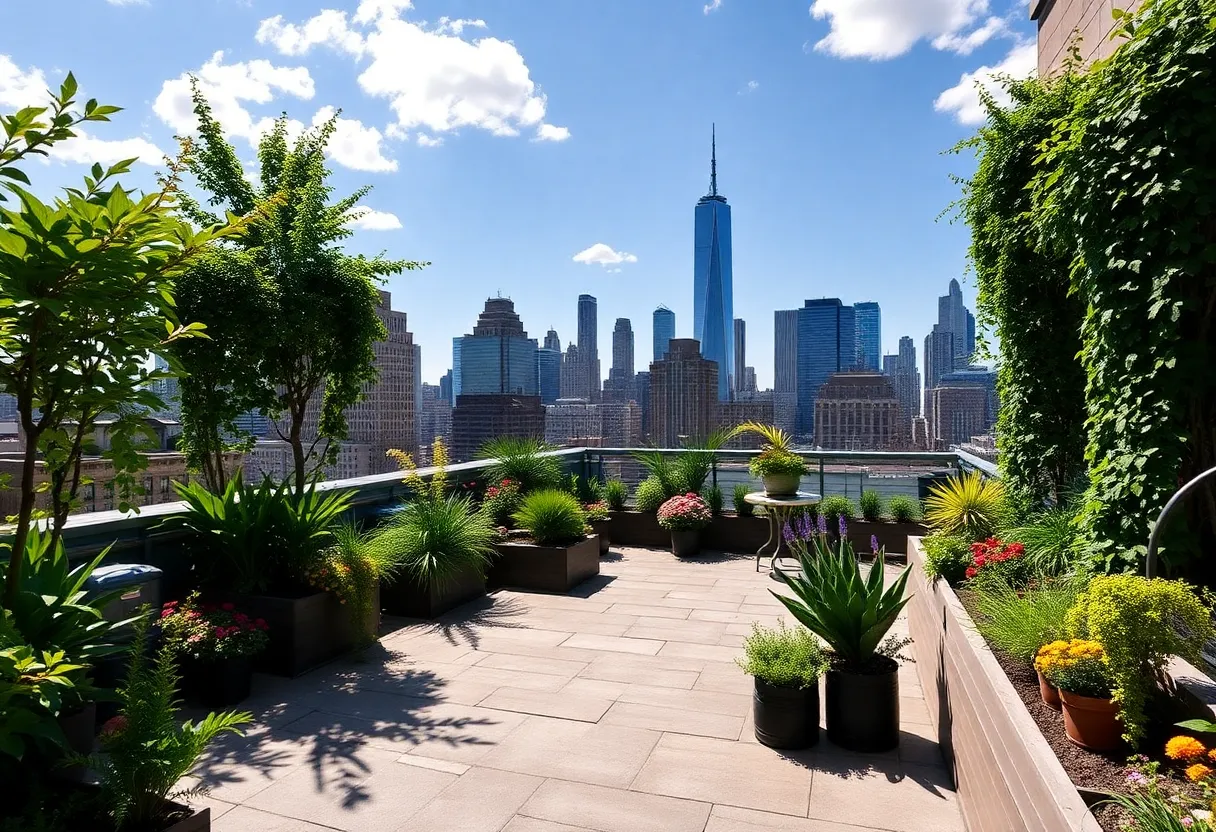
Transforming a rooftop into an urban oasis in New York City demands careful planning and execution. Navigating building regulations, ensuring structural safety, selecting the appropriate flora, and choosing durable materials form the core of a successful design. Integrating wind-resistant elements, optimized sunlight use, and vertical gardening maximizes space and resilience. Incorporating efficient irrigation and lighting extends usability, creating a sustainable and inviting environment. With meticulous attention to these nine essential tips, your rooftop can evolve into a stunning, functional retreat that enhances your living space while contributing positively to the urban ecosystem.