

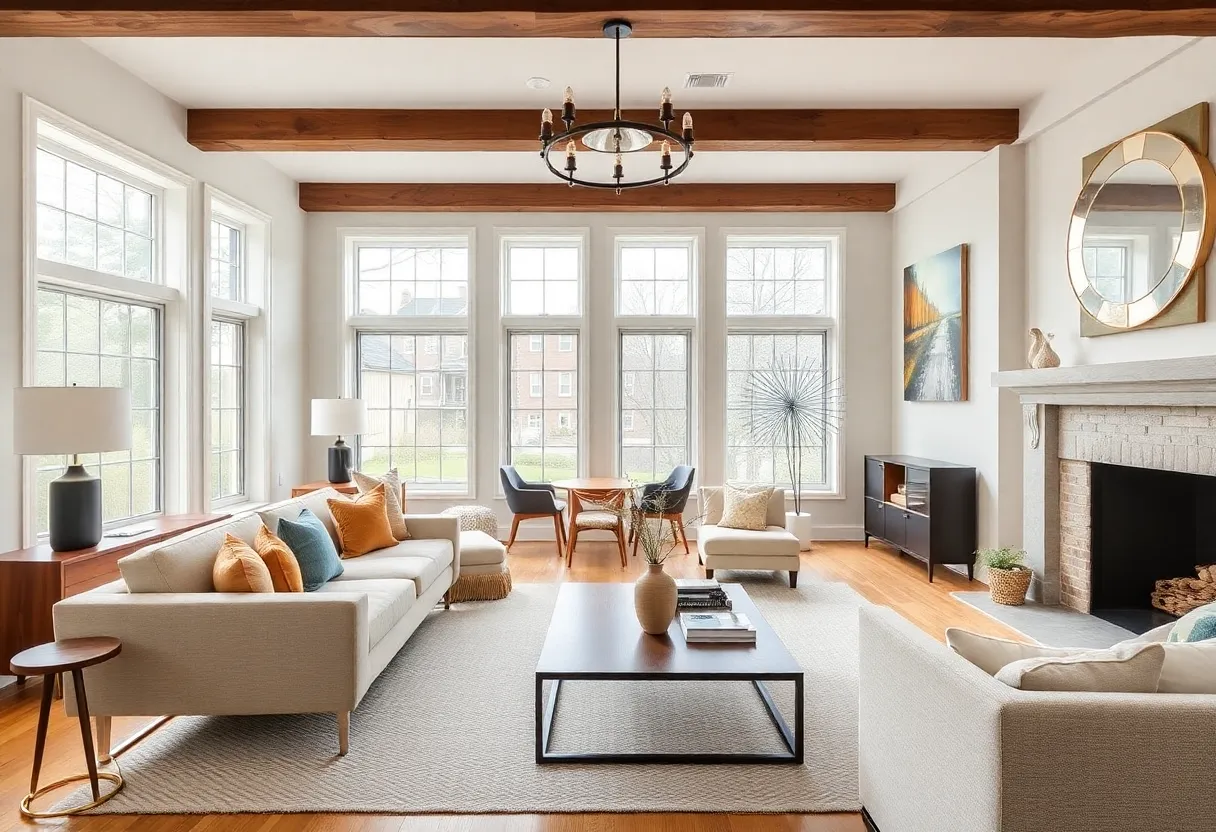
How to Choose the Right Renovation Style for Your New York Home: Essential Tips for Success
Defining Your Renovation Goals
Prior to selecting a renovation style, clarify the primary purpose of your project. Are you seeking to enhance functionality, increase property value, or achieve a specific aesthetic? Clearly defined goals streamline decision-making and ensure your style aligns with your lifestyle needs. For instance, renovating a city apartment for daily comfort differs from restoring a historic townhouse for preservation and modern adaptation.
Assessing Your Property’s Architectural Context
Harmony with Architectural Style
The architectural style of your home significantly influences suitable interior designs. A contemporary high-rise apartment might suit minimalistic, sleek aesthetics, while a Victorian brownstone calls for ornate, historic decor. Maintaining harmony between the architecture and interior design enriches the home’s visual coherence.
Limitations and Opportunities
Structural features such as ceilings, moldings, and original fixtures can restrict choices or inspire specific styles. Recognizing and integrating these elements during planning prevents costly modifications later. For example, exposed brick walls may complement an industrial look, while ornate crown moldings support a classical style.
Understanding Popular Renovation Styles in New York
Modern and Contemporary Styles
Modern design emphasizes minimalism, clean lines, and open spaces. Contemporary styles evolve with current trends, often incorporating innovative materials and technology. These styles work well for urban dwellings aiming for a sleek, uncluttered appearance. Consider modern aesthetics if you prioritize functionality and simplicity.
Traditional and Classic Styles
Tradition-rich styles reflect history and craftsmanship. Classic interiors often feature rich woodwork, detailed moldings, and timeless color palettes. In New York’s historic districts, such styles honor the neighborhood’s heritage while creating luxurious interiors.
Industrial Design
Inspired by loft and warehouse conversions, industrial style highlights raw materials such as brick, metal, and wood. It suits open-plan layouts and urban aesthetics. This style demands a preference for edgy, utilitarian looks with a modern touch.
Transitional and Eclectic Approaches
These styles blend traditional comfort with contemporary flair, offering versatility. Eclectic designs incorporate diverse textures, patterns, and eras, reflecting New York’s diverse cultural landscape. If flexibility excites you, explore transitional and eclectic styles.
Matching Style with Lifestyle and Future Plans
Family-Oriented vs. Solo Living
Families may prioritize durable surfaces, ample storage, and multi-functional spaces. Solo residents might prefer sleek, minimalist environments. Your daily routines influence style choices, affecting layout and finishes.
Resale and Long-term Value
Think about how your renovation style appeals to future buyers. Classic and timeless styles tend to retain value, especially in historic neighborhoods. Trendy or highly personalized designs may reduce market desirability over time.
Personal Aesthetic Preferences
Your taste shapes the overall vibe. If you love vibrant colors and artistic details, an eclectic style may suit you. For a calm, refined ambiance, consider traditional or modern minimalist designs.
Budget Considerations and Cost Implications
Estimating Renovation Costs
Some styles inherently involve higher expenses. For example, restoring historic features demands specialized craftsmanship. Modern styles might require investment in high-tech fixtures. Evaluate your financial capacity before narrowing down options.
Balancing Aesthetic Goals with Budget
Prioritize features that deliver impact. Focus funds on key elements—fixtures, flooring, or cabinetry—that define the style’s character. Incorporate cost-effective solutions for less visible areas to optimize overall expenditure.
Long-term Maintenance and Durability
Choose styles with sustainable materials that reduce long-term costs. In New York’s climate, materials resistant to moisture and temperature fluctuations enhance longevity and reduce future renovation needs.
Materials and Color Palette Selection
Material Compatibility with Styles
Align materials with the selected style. For industrial interiors, raw metals and reclaimed wood are ideal. For traditional themes, rich hardwoods and plush fabrics work well. Modern designs favor sleek finishes like polished concrete, glass, or lacquered surfaces.
Color Scheme Strategies
Color choices reinforce style. Neutral palettes complement modern and minimalist styles. Rich, warm hues evoke traditional interiors. Bold accents align with eclectic themes. Consistent color schemes create cohesive spaces.
Involving Professionals in Decision-Making
Designers and Architects
Collaborate with professionals who understand your style preferences and the home’s architectural context. Their expertise ensures functional, safe, and aesthetically pleasing results.
Specialists and Craftspeople
For historic preservation or custom features, engage specialists. Skilled artisans preserve authenticity or craft unique details aligned with your chosen style.
Managing Expectations and Communication
Clear, detailed communication with your renovation team guarantees alignment on design visions, timelines, and budgets. Visual references and mood boards help convey your aesthetic goals precisely.
Planning Your Renovation Timeline and Phases
Phased Approach for Complexity
Complex styles, especially those requiring structural work or historic restoration, benefit from phased planning. Prioritize structural integrity first, then move to aesthetic finishes.
Scheduling and Permitting
Timing influences style implementation. New York’s building permits, especially for historic districts, can impact project timelines. Build buffers for approvals and inspections.
Summary: Crafting Your Unique Home Aesthetic
Selecting the perfect renovation style demands thorough assessment of your property’s context, personal preferences, and practical considerations. Prioritize styles that resonate with your lifestyle, respect the architecture, and align with your budget. Engage qualified professionals to translate your vision into reality. With careful planning, your New York home can become a reflection of your unique identity and taste.