
News Summary
New York City is grappling with a severe rental crisis, with rents in affluent neighborhoods rising over 60% since the pandemic began. Areas like Tribeca and SoHo are seeing median rents nearing $8,000 per month, while other neighborhoods also experience sharp rent hikes. The overall rental market has increased by 27%, affecting high-income earners who are now facing affordability challenges. As landlords aim to recuperate losses, the situation is further complicated by an influx of wealthy renters returning to the city. Experts warn this crisis primarily stems from an affordability shortage rather than a lack of available housing.
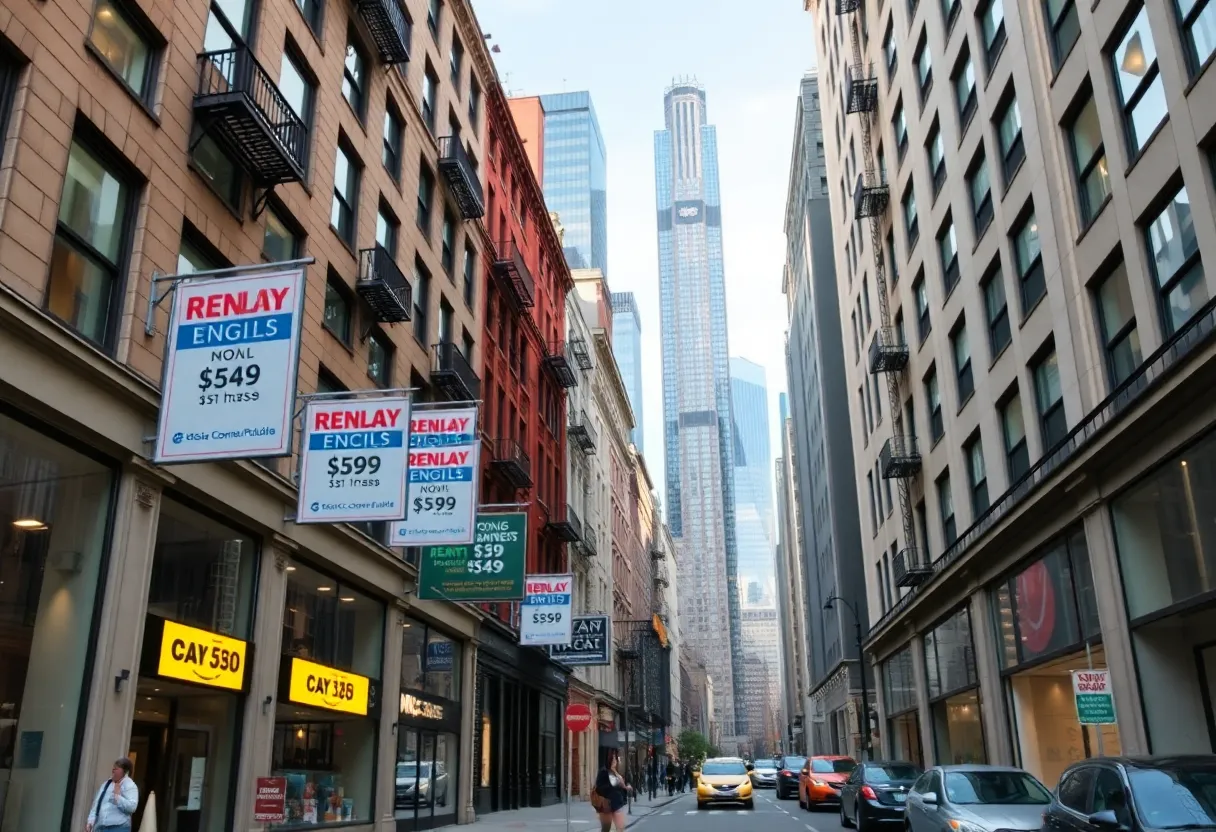
New York City is facing a significant rental crisis as rents in some of its wealthiest neighborhoods have surged by over 60% since the onset of the pandemic. The most pronounced increases have occurred in areas like Tribeca and SoHo, where rents jumped approximately 60% from 2020 to 2025. As a result, the median asking rent in Tribeca is nearing $8,000 per month, while other neighborhoods such as Greenpoint and Williamsburg have surpassed $5,000 in median asking rent. Long Island City has also seen its median rent rise above $4,500.
The escalating rents are affecting the rental market citywide, with an overall increase of 27% from 2020 to 2024, surpassing growth rates in cities such as Los Angeles, Boston, and Washington, DC. High-income earners, particularly in sectors like finance and the arts, are engaging in bidding wars, a trend more commonly associated with homebuyers. Approximately 65,000 households earning between $100,000 and $300,000 are now spending a third or more of their income on rent, a significant rise compared to four years ago.
Several factors are driving the current rent surge. Landlords are attempting to recover from financial losses sustained during the pandemic, coupled with high-interest rates that have kept potential buyers in the rental market. Additionally, a boom in luxury developments is contributing to the rising costs. For instance, Long Island City has added nearly 7,200 apartments from 2020 to 2024, mainly luxury high-rises that charge rents approximately $625 higher than the average for local apartments.
Moreover, the demographic shift known as the “Great Reshuffle” has resulted in many wealthy renters returning to the city post-pandemic. The number of households earning over $100,000 in New York City increased from 1.03 million in 2019 to 1.49 million in 2023. Conversely, the number of households earning under $25,000 has dropped by over 100,000. Notably, the population of millionaires who rent in New York City has nearly doubled during the same period. Some estimates suggest that one in 24 city residents is now worth more than $1 million.
Renters are experiencing difficulties securing affordable housing amid these rising costs. For example, a resident named Cole McMahon-Gioeli reports spending 29% of his income on a shared two-bedroom apartment, with one-bedroom prices in his area approaching $4,125. Similarly, Shanée Benjamin, while earning a six-figure salary, is now paying $5,500 for a two-bedroom, a staggering 72% increase from the previous year. Many high-income residents express concern about being pushed out of the city as living expenses become increasingly unsustainable.
Housing experts assert that the crisis is not merely a shortage of housing but rather an affordability shortage. The mayor’s initiative, branded as the “City of Yes” plan, aims to tackle the housing issues; however, critics claim it mainly favors wealthier individuals and fails to provide substantial benefits for affordable housing options. In contrast, Democratic Socialist candidate Zohran Mamdani has gained traction by prioritizing affordability and advocating for a rent freeze on rent-stabilized units.
The political landscape around housing is shifting, with Democratic candidates focused on affordability gaining support even in affluent neighborhoods heavily impacted by rent hikes. While some real estate professionals caution that freezing rents could deter landlords from maintaining properties, it is evident that the pressure on housing affordability is escalating.
As New York City continues to navigate the repercussions of the post-pandemic rental surge, the impact on both high-income households and overall housing dynamics remains a critical issue requiring attention and action.
Deeper Dive: News & Info About This Topic
HERE Resources
Refreshing Hotel Pools in New York City for Summer Escapes
New York City Leads Nation in Apartment Construction
Surge in Manhattan Office Leasing Market
East Harlem Faces Disruption Due to Subway Expansion
Luxurious Hotels to Discover in New York City
Bob Dylan Center Launches Traveling Exhibition in New York
New York City Business Leaders Split Over Mayoral Candidates
Digital Billboard in NYC Encourages Move to Ohio Amid Political Shift
Luxury Real Estate Market in NYC Declines Following Political Shift
Soho House New York Faces Financial Turmoil and Takeover Bid
Additional Resources
- Bloomberg: NYC Wealthy Renters Housing Crisis
- Wikipedia: Housing Crisis
- New York Times: NYC Broker Fee Fare Act
- Google Search: NYC Housing Crisis
- Realtor.com: New York City Broker Fees New Law
- Encyclopedia Britannica: Rental Housing
- Curbed: Fare Act and Broker Fees
- Google News: NYC Rental Market
- GlobeSt: Manhattan Asking Rents Spike
- Google Scholar: NYC Housing Affordability
- Mansion Global: Bidding Wars Spike for Rentals