

News Summary
Harlem, NYC, is currently dealing with a Legionnaires’ disease outbreak, resulting in four deaths and nearly 100 cases. Health officials have traced the outbreak to 12 cooling towers in 10 buildings, including Harlem Hospital. Remediation efforts are underway, and residents are advised to seek immediate medical attention for flu-like symptoms. Despite the situation, officials reassure the public that there is no risk to drinking water. The community is concerned about the maintenance of cooling towers, given the significant decline in inspections.
Harlem Faces Serious Outbreak of Legionnaires’ Disease
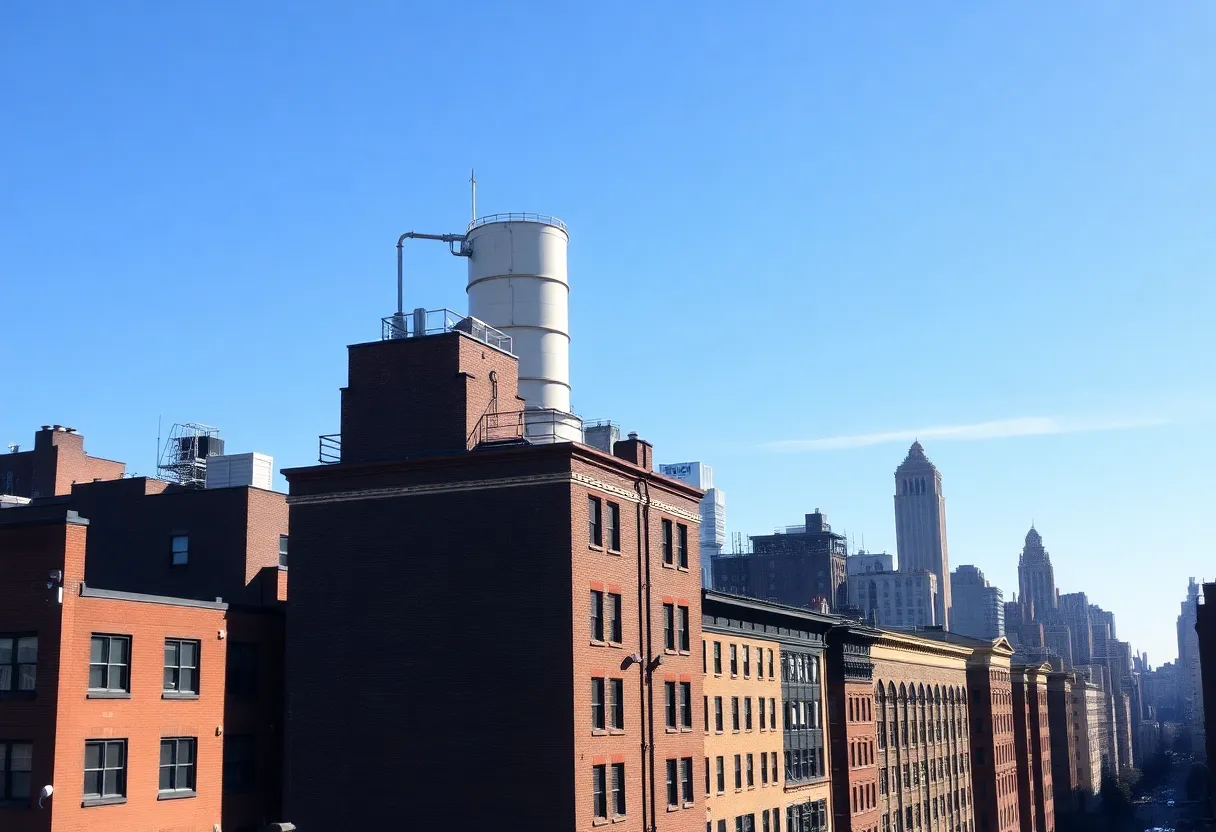
Harlem, New York City, is currently grappling with a serious outbreak of Legionnaires’ disease, resulting in four confirmed deaths and nearly 100 confirmed cases. The New York City Department of Health is actively managing the situation, having identified and traced the source of the outbreak to 12 cooling towers in 10 buildings, including notable locations such as Harlem Hospital and a city health clinic.
As it stands, health officials have reported 99 cases of the disease, with 17 individuals currently hospitalized, highlighting the outbreak’s severity. To combat this health crisis, remediation efforts have already been executed on 11 out of the 12 affected cooling towers, with the final one expected to complete its maintenance by the end of the week.
Public Safety Reassurances
Officials have reassured the public regarding health safety. It has been confirmed that the air remains safe to breathe, and there is no risk to the drinking water or municipal water supply. Health officials have advised residents, particularly those experiencing flu-like symptoms, to seek immediate medical attention.
Understanding Legionnaires’ Disease
Legionnaires’ disease is a severe form of pneumonia caused by the Legionella bacteria, which proliferates in stagnant, warm water. Transmission occurs when individuals inhale aerosolized mist containing the bacteria; it is not spread from person to person. Certain demographics, particularly individuals over the age of 50 and those who smoke, are at a greater risk of experiencing significant complications from the disease. Symptoms can include fever, muscle aches, and cough, with potential escalation to severe respiratory issues if untreated.
Community Response and Concerns
In light of the outbreak, public health officials recently held a town hall meeting to disseminate important information to the Harlem community. Many residents expressed frustration over the delayed disclosure regarding the locations of the affected cooling towers, raising concerns about the facilities’ overall maintenance and safety standards.
Inspections of cooling towers in the city have seen a significant decline, dropping from nearly 5,100 inspections in early 2017 to about 1,200 inspections in the first half of 2025. This reduction in inspection frequency has drawn scrutiny and prompted calls for improved health management approaches at the city level.
Historical Context
New York City has faced similar outbreaks of Legionnaires’ disease in the past, which have led to the implementation of stricter regulations governing the maintenance and inspection of cooling towers. However, the recent increase in cases has put the management of public health inspections and effective communication into a critical spotlight.
In response to concerns regarding water safety, the city’s Acting Health Commissioner emphasized that there is no connection between the outbreak and the plumbing systems in the buildings where the cooling towers are located. Residents were reassured that the municipal water supply remains uncontaminated.
As health officials continue to monitor the situation closely, the priority remains on controlling the outbreak and ensuring the safety and well-being of Harlem residents. Community members are urged to stay vigilant and report any unusual flu-like symptoms promptly.
Deeper Dive: News & Info About This Topic
HERE Resources
Additional Resources
- ABC7 NY
- Wikipedia: Legionnaires’ disease
- New York Post
- Google Search: Legionnaires’ disease
- PIX11 News
- Encyclopedia Britannica: Legionnaires’ disease
- AMNY
- Google News: Legionnaires’ disease Harlem