

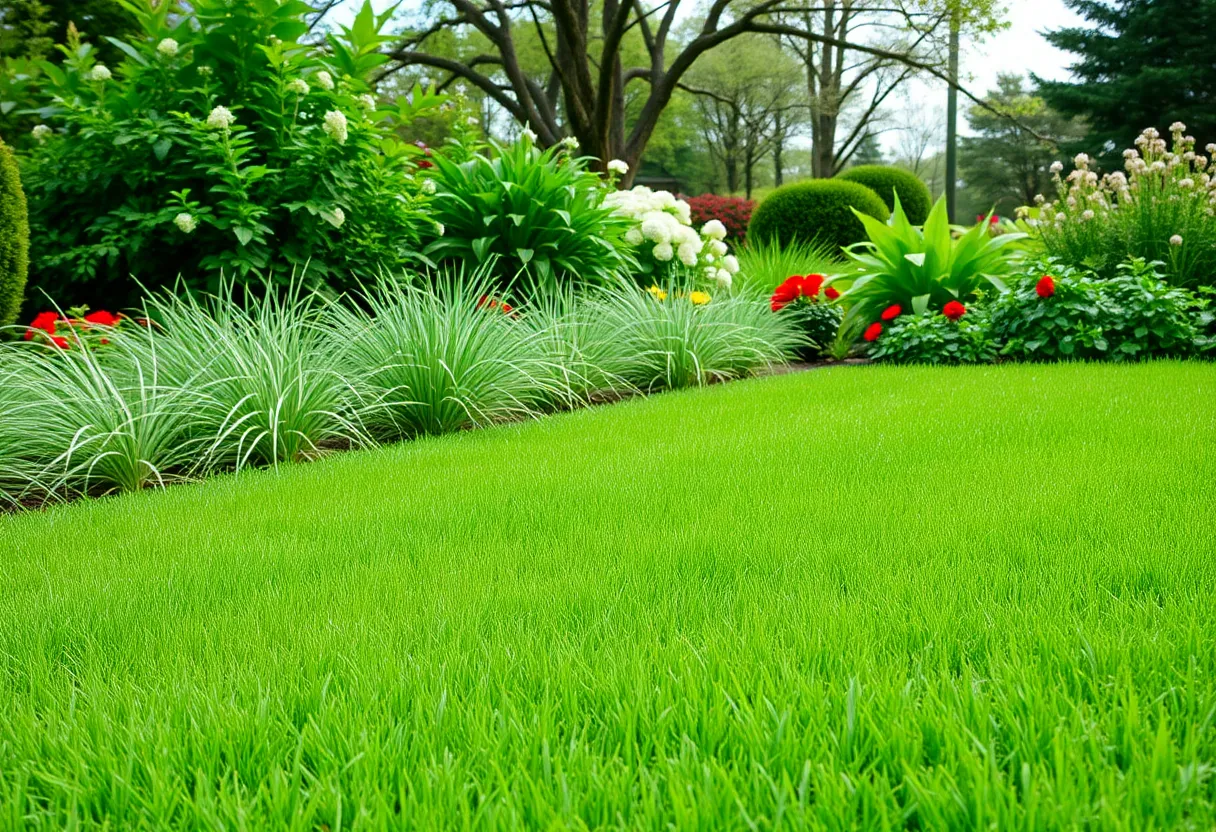
10 Simple Steps for Elevating Your New York Lawn to Lush Perfection
Creating a vibrant, healthy lawn in New York demands a strategic approach tailored specifically to the region’s distinct climate and soil characteristics. Consistent effort combined with informed practices can transform an ordinary yard into a lush landscape that enhances your home’s aesthetic and value. Below are ten essential steps designed to guide you through this process with precision and clarity.
1. Select the Ideal Grass Type for New York’s Climate
Choosing the correct grass variety lays the foundation for a thriving lawn. Cool-season grasses are best suited to New York because they flourish during cooler months and can tolerate cold winters. Focus on varieties that have proven adaptability and resilience.
Kentucky Bluegrass offers an attractive, fine-textured appearance with deep green color. It performs well in full sun but requires regular maintenance, including fertilization and watering. Its dense growth pattern makes it excellent for creating a uniform look.
Fine Fescues — such as creeping red, chewings, hard, and sheep fescue — are highly shade-tolerant and drought-resistant. They need minimal fertilization and are suitable for shaded areas, ensuring coverage even where sunlight is limited.
Tall Fescue is notable for its adaptability to various lighting conditions and its deep root system. This grass type offers excellent drought resistance and requires less frequent watering, making it an efficient choice in variable weather.
Note: Select grass types based on your specific yard conditions, including sunlight exposure and soil type, to optimize growth and durability.
2. Prepare the Soil Thoroughly
Healthy soil is essential for a vigorous lawn. Start by eliminating weeds, rocks, and other debris. Use aeration techniques to improve oxygen flow and nutrient absorption. Soil compaction can hinder root development—tilling or aerating will loosen the soil effectively.
Incorporate organic matter such as compost to boost soil fertility and improve its structure. Proper preparation ensures better seed germination, root establishment, and resilience against pests and diseases.
3. Time Your Seeding or Sodding Correctly
Timing significantly influences establishment success. For New York, the optimal periods are early spring and early fall. These seasons offer cooler temperatures, higher moisture levels, and less competition from weeds.
Seeding during these windows allows grass to develop strong roots before extreme weather occurs. When installing sod, ensure it is laid during these periods to facilitate faster rooting and establishment before winter or summer heat stress.
4. Implement Effective Watering Practices
Proper watering is pivotal during all growth stages. Water deeply—about 1 to 1.5 inches per week—to promote deep root growth. Light, frequent watering encourages shallow roots, making the lawn more vulnerable to drought and heat stress.
Early morning watering minimizes evaporation and promotes healthy blade drying, reducing disease risk. Use consistent schedules, especially during dry spells, to maintain consistent moisture levels throughout the soil profile.
5. Mow at the Proper Height and Frequency
Mowing influences turf density, health, and appearance. Maintain your mower blade at a height of 2.5 to 3 inches for most cool-season grasses. Taller grass shades out weeds and retains soil moisture better.
Never cut more than one-third of the grass height in a single mowing session. Regular mowing encourages dense, healthy growth, minimizes pest habitats, and preserves the overall vigor of your lawn.
6. Fertilize with Precision
Fertilization provides essential nutrients for sustained growth. Apply a balanced, phosphorus-free fertilizer in early spring to support root development and again in late fall to prepare the grass for winter dormancy.
Avoid over-fertilizing, which can promote excessive growth and increase disease susceptibility. Adhere strictly to manufacturers’ recommended rates to prevent environmental runoff and ensure lawn health.
7. Manage Weeds Proactively
Weeds compete aggressively for nutrients and water, undermining lawn density. Use a combination of pre-emergent herbicides in early spring to prevent weed seed germination and post-emergent herbicides for existing weeds.
Manual removal can be effective, especially for isolated weeds. Maintaining a dense, healthy turf naturally suppresses weed growth by limiting space and resources available to unwanted plants.
8. Aerate Annually to Improve Soil Conditions
Aeration reduces soil compaction and promotes healthy root systems. Schedule this at least once a year, ideally in early fall, to maximize benefits.
Aeration enhances the penetration of water, air, and nutrients. It’s particularly beneficial for lawns experiencing heavy foot traffic or grown in dense clay soils, common in many parts of New York.
9. Overseed to Maintain Density and Repair Damage
Overseeding fills in thin or bare patches, ensuring a uniformly lush lawn. For best results, overseed in early fall when cooler temperatures and increased rainfall support seed germination.
Prepare the soil beforehand by aerating and raking to improve seed-to-soil contact. Regular overseeding increases turf density, which strengthens resistance to pests and diseases.
10. Vigilantly Monitor and Treat Pests and Disease
Regular inspections enable early detection of pests and disease threats. Look for signs such as discolored patches, fungal growth, or insect activity.
When issues arise, respond promptly with targeted, environmentally responsible methods. Use integrated pest management strategies and consult local extension resources for specific advice relevant to New York’s common turf problems.
Conclusion
Achieving a lush, resilient lawn in New York is a systematic process rooted in soil preparation, strategic grass selection, diligent maintenance, and proactive problem management. Consistency and attention to regional conditions are crucial. By implementing these ten steps, you establish a foundation for a vibrant, healthy landscape that elevates your property’s curb appeal and enjoyment.
Remember, landscape perfection is a continuous effort—monitor your lawn regularly, adapt practices as needed, and stay committed to nurturing it. Over time, these informed, straightforward measures will yield a stunning, verdant expanse in your New York home.