
10 Must-Read Tips for Starting Your First New York Home Garden
Initiating a home garden in New York City presents both challenges and opportunities unique to the urban environment. Success hinges on understanding local climate nuances, selecting suitable plants, and adhering to city regulations. Below are essential guidelines to establish a thriving urban garden in this vibrant metropolis.
1. Understand New York’s Climate and Growing Seasons
New York’s climate is marked by _distinct seasons_: cold, often harsh winters and warm, humid summers. These climatic factors directly influence planting schedules and plant health. Recognizing _frost dates_—the last spring frost and first fall frost—is vital for timing plantings accurately.
The region falls within specific _USDA Hardiness Zones_ that determine which plants naturally tolerate environmental conditions. For instance, zones 6b to 7a guide plant selection, favoring hardy varieties capable of withstanding local cold spells and humidity.
It’s critical to align plant choices with the _local growing season_ to maximize yields and minimize crop failure risks. Planning for _shorter growing windows_ helps in selecting fast-maturing crops and planning succession planting.
2. Choose the Right Location for Your Garden
Location specificity impacts your garden’s health and productivity. Essential factors to evaluate include:
- Sunlight Exposure: Most vegetables and fruits require _at least 6 hours of direct sunlight_ daily. Observe sun patterns over different times of day to select the optimal spot.
- Accessibility: Position your garden where maintenance is feasible. Regular access ensures prompt watering, pruning, and harvesting.
- Protection from Elements: Identify areas shielded from _strong winds_ and _heavy rainfall_ to prevent damage. Use natural barriers or strategic plant placement for wind protection.
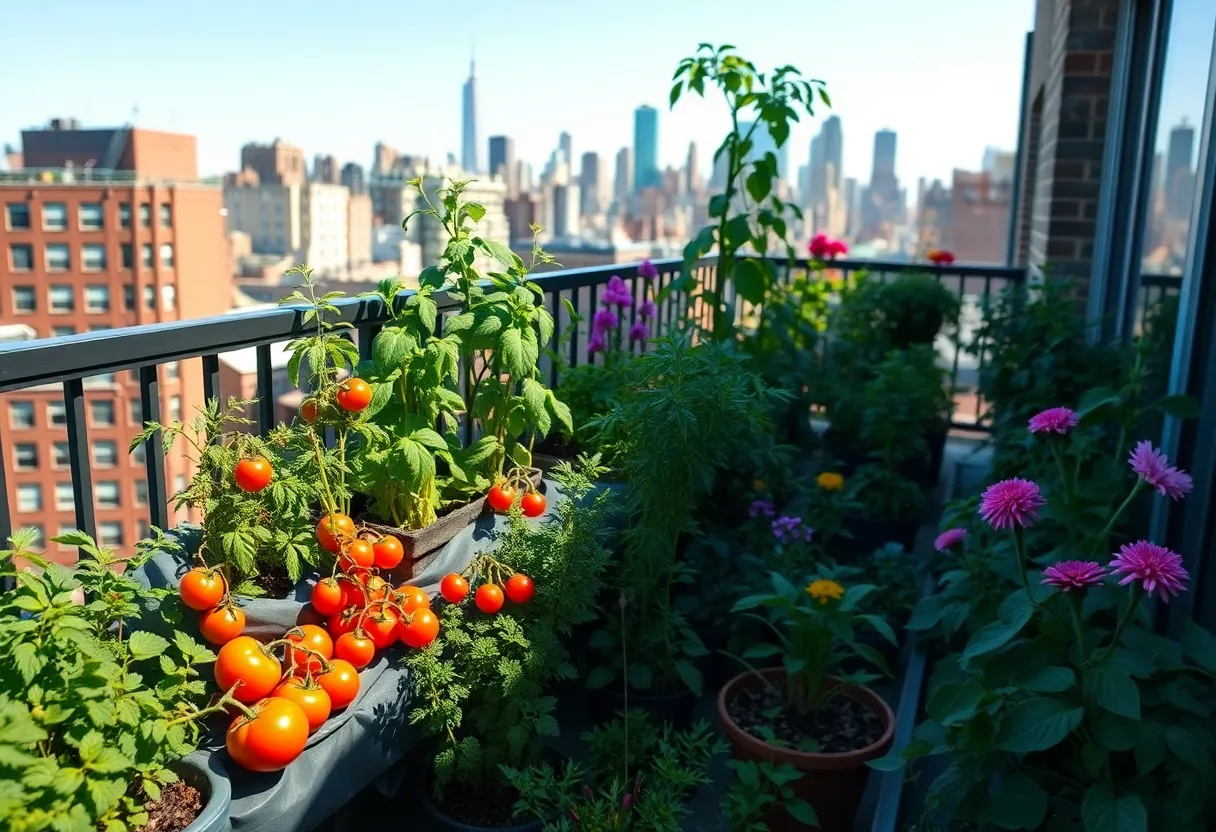
In densely populated areas, _rooftops, balconies, or community plots_ offer alternative spaces. These require careful assessment of structural support, light availability, and safety considerations.
3. Select Suitable Plants for Urban Environments
Urban settings demand _resilient, space-efficient_ selections. Focus on plants that thrive despite limited soil quality and space constraints.
- Hardy Vegetables: Kale, spinach, lettuce, radishes, and herbs like basil and parsley tend to be _robust and adaptable_.
- Compact Fruit Varieties: Dwarf fruit trees, such as _dwarf apple or cherry trees_, and berry bushes like blueberries or raspberries are ideal for limited areas.
- Native Plants: These are naturally suited to the region’s conditions, require less maintenance, and support local ecosystems.
Research each plant’s _specific needs_, including soil type and watering requirements, to prevent resource wastage and ensure healthy growth.
4. Invest in Quality Soil and Fertilization
Soil quality directly affects plant health and yields. The following best practices ensure optimal soil conditions:
- Soil Testing: Conduct tests to ascertain _pH levels_ and _nutrient content_. This information informs amendments necessary for balanced soil fertility.
- Composting: Use organic waste to create _nutrient-rich compost_, reducing dependence on chemical fertilizers and improving soil structure.
- Raised Beds: In areas with poor soil or contamination risks, _raised beds_ allow for controlled soil conditions, better drainage, and easier management.
Consistently monitor soil for _nutrient depletion or imbalance_ and replenish with appropriate organic additives, ensuring persistent plant vitality.
5. Implement Efficient Watering Practices
Water management is crucial in urban environments where _water conservation_ is often mandated. Strategies include:
- Drip Irrigation Systems: These systems deliver water directly to the root zone, _minimizing waste_ and ensuring uniform moisture distribution.
- Rain Barrels: Collecting rainwater reduces reliance on municipal resources, decreases costs, and provides naturally filtered water for plants.
- Optimal Watering Schedule: Early morning or late evening watering reduces _evaporation_ and encourages deeper root growth. Adjust based on recent weather patterns.
Consistent moisture levels prevent plant stress, disease susceptibility, and uneven growth. Avoid overwatering, which can lead to root rot or pest issues.
6. Be Aware of Urban Soil Contaminants
Many urban soils may harbor pollutants like _lead_ or _heavy metals_, posing health risks, particularly for edible plants. Key precautions include:
- Regular Soil Testing: Conduct tests focusing on common contaminants to assess safety levels before planting.
- Use of Barriers: Employ _raised beds or containers_ with clean soil to prevent contact with potentially contaminated ground layers.
- Container Gardening: Growing in _pots or planters_ allows complete control over soil quality, reducing exposure to urban pollutants.
Prioritize _safe soil practices_ to protect health while maintaining productive gardens. It’s essential to continuously monitor and adapt to evolving soil conditions.
7. Engage with Local Gardening Communities
Networking with other urban gardeners enhances knowledge and resource sharing. Benefits include:
- Participation in Community Gardens: These spaces offer support, shared tools, and collective learning opportunities.
- Workshops and Educational Sessions: Attend local training to stay updated on best practices and innovative techniques.
- Online Forums and Social Media Groups: Share experiences, ask questions, and gain insights from broader urban gardening networks.
Community engagement fosters _collaborative problem-solving_ and emotional satisfaction, making gardening more enjoyable and sustainable.
8. Stay Informed About Local Regulations
Compliance with city ordinances ensures smooth operation and avoids penalties. Critical considerations include:
- Zoning Laws: Verify permitted uses for your property to confirm _garden activities_ are allowed within zoning classifications.
- Composting Regulations: Understand city policies—particularly _mandatory composting_ provisions— and implement compliant practices.
- Water Use Restrictions: Adhere to guidelines during droughts or water shortages to promote conservation efforts.
Regular review of local ordinances is necessary, especially if regulations evolve, to ensure your garden operates legally and sustainably.
9. Plan for Pest and Disease Management
Healthy plants require proactive _pest and disease control_ methods. Strategies include:
- Integrated Pest Management (IPM): Combining biological controls, cultural practices, and minimal chemical interventions to manage pests effectively and sustainably.
- Routine Monitoring: Conduct frequent inspections to detect issues early, reducing the risk of widespread damage.
- Natural Remedies: Use organic pesticides or introduce beneficial insects like ladybugs to naturally suppress pest populations.
Avoid heavy chemical use that can harm beneficial insects, cause resistance, and compromise edible crop safety. Focus on environmentally friendly and sustainable practices.
10. Embrace the Joy of Gardening
Beyond technical execution, gardening offers profound personal benefits:
- Physical Activity: Gardening involves digging, planting, watering, and weeding, providing a measurable full-body workout.
- Stress Reduction: Engaging with nature has documented mental health benefits, decreasing anxiety and improving mood.
- Community Building: Shared gardening efforts foster neighborhood connections and local partnerships.
Maintaining a positive outlook, celebrating small successes, and learning from setbacks enhance long-term satisfaction. Remember, _patience and persistence_ are critical components of successful gardening.
Following these critical tips positions you for a prosperous and sustainable garden in New York City. With informed planning and ongoing care, your urban gardening experience can be both rewarding and environmentally beneficial. Happy gardening!

Author: STAFF HERE NEW YORK WRITER
The NEW YORK STAFF WRITER represents the experienced team at HERENewYork.com, your go-to source for actionable local news and information in New York, the five boroughs, and beyond. Specializing in "news you can use," we cover essential topics like product reviews for personal and business needs, local business directories, politics, real estate trends, neighborhood insights, and state news affecting the area—with deep expertise drawn from years of dedicated reporting and strong community input, including local press releases and business updates. We deliver top reporting on high-value events such as New York Fashion Week, Macy's Thanksgiving Day Parade, and Tribeca Film Festival. Our coverage extends to key organizations like the Greater New York Chamber of Commerce and United Way of New York, plus leading businesses in finance and media that power the local economy such as JPMorgan Chase, Goldman Sachs, and Bloomberg. As part of the broader HERE network, including HEREBuffalo.com, we provide comprehensive, credible insights into New York's dynamic landscape.