

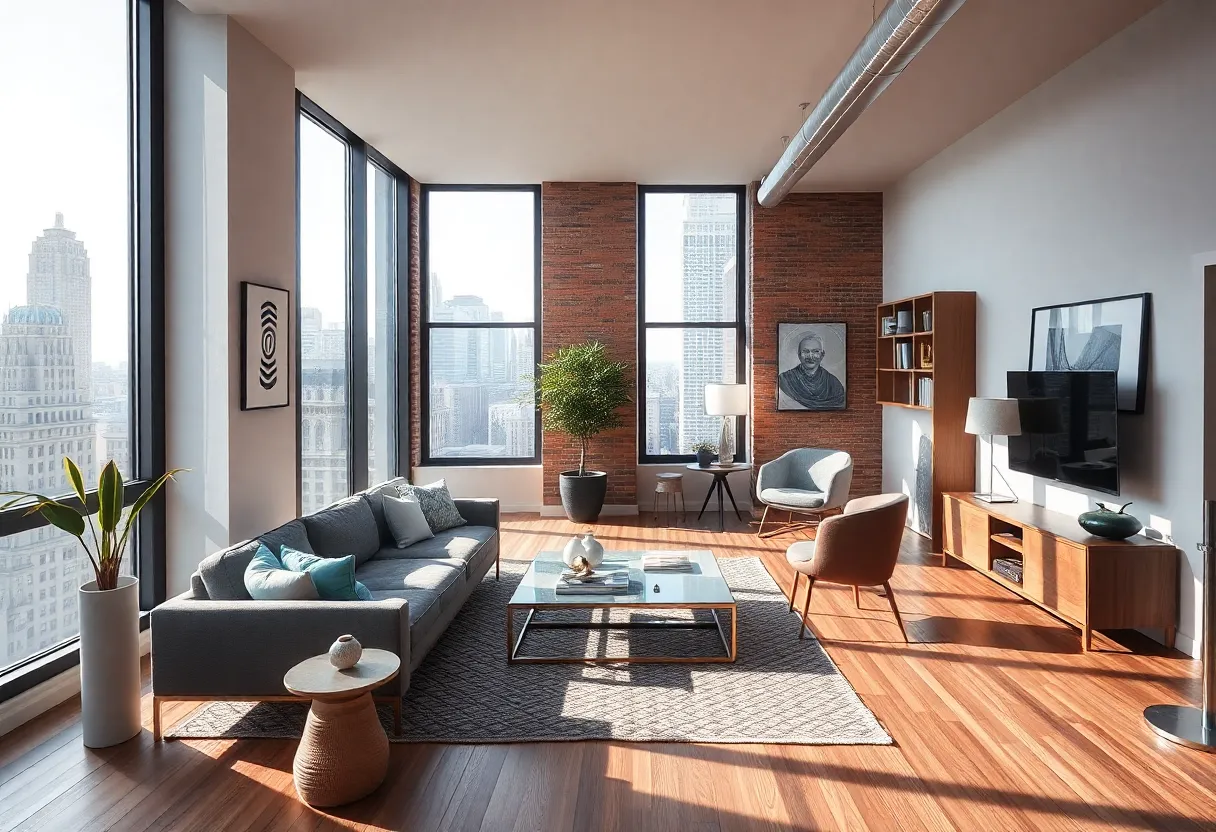
How to Choose the Right Floor Plan for Your New York Home: Expert Tips for Custom Design for New York NY
Selecting an ideal floor plan is a critical step in creating a home that suits your lifestyle and preferences. In New York, where space constraints and diverse architectural styles are common, making the right choice requires deliberate planning and expert insight. This guide offers practical strategies for assessing your needs, understanding design possibilities, and customizing floor plans to optimize your New York residence.
Assessing Your Lifestyle Needs
Identify Your Space Requirements
The foundation of choosing a suitable floor plan begins with a detailed assessment of your current and future needs. Consider family size, occupation, and habitual activities. For example, a growing family might prioritize multiple bedrooms and flexible common areas, whereas a single professional may prefer an open-concept layout with minimal space reserved for bedrooms.
Prioritize essential rooms and functionalities. List which spaces are non-negotiable, such as a home office, gym area, or guest suite. Understanding these priorities avoids costly redesigns later.
Factor in Lifestyle and Daily Routines
Evaluate how your daily routines align with potential floor plans. For instance, kitchens adjacent to dining areas facilitate meal prep and sociability. Similarly, proximity of bedrooms to bathrooms impacts convenience. If frequent hosting is part of your lifestyle, an open-plan living and dining area may enhance entertainment flow.
Contemplate traffic flow and accessibility, particularly if members have mobility concerns. A well-designed plan minimizes long corridors and complicated layouts, enhancing comfort.
Understanding Architectural Styles and Space Utilization
Align Floor Plans with Architectural Character
New York homes display a spectrum of styles—from historic brownstones to modern high-rises. Your choice should complement the overall architecture, enhancing aesthetics and value. Open-concept layouts work well in contemporary designs, while traditional styles may favor compartmentalized rooms with ornate details.
Maximize Available Space
In the city’s compact environments, efficient space utilization is vital. Multi-functional rooms, built-in storage, and adaptable furniture extend usability without expanding footprint. Consider vertical space too—adding lofted areas or mezzanines can increase functional square footage.
Evaluating Floor Plan Features and Layouts
Open Concept vs. Traditional Layouts
Open plans promote versatility, facilitate social interaction, and improve natural light flow. Nonetheless, they may pose privacy challenges and acoustic concerns. Traditional layouts offer clearly defined spaces, fostering privacy and quieter environments.
Assess whether an open or compartmentalized plan best suits your lifestyle and personality. Often, hybrid layouts—combining open living areas with private bedrooms—strike a productive balance.
Consider Future Flexibility
Design for adaptability by choosing floor plans that can evolve with your needs. Guest bedrooms can double as offices or hobby rooms. Movable partitions and flexible furniture enable changes over time, extending the utility of your space.
Prioritizing Natural Light and Ventilation
Enhance Living Quality
In New York’s dense urban environment, maximizing natural light is crucial. A well-oriented floor plan considers window placement to ensure consistent daylight exposure, reducing reliance on artificial lighting and improving mood.
Good ventilation enhances air quality and comfort. Cross-ventilation strategies, such as window placement on opposite walls, should influence your floor plan selection.
Strategic Window Placement
Positioning windows in primary living areas fosters openness. Avoid central rooms with no access to external walls, which may feel cramped and poorly lit. Incorporate features like skylights or Juliet balconies where possible for added light and air.
Optimizing Privacy and Noise Control
Design for Privacy
Consider the location of bedrooms in relation to shared spaces and neighboring units. Strategic placement minimizes noise intrusion and enhances comfort. In multi-family buildings, shared walls and floors should be evaluated for soundproofing potential.
Mitigate Noise Challenges
Use layout strategies such as placing bedrooms away from the street or communal areas. Incorporate sound-insulating materials and layering for added privacy. Thoughtful planning ensures a tranquil living environment amidst busy city noise.
Incorporating Building Regulations and City Ordinances
Comply with Local Codes
New York’s zoning laws and building codes influence permissible floor plans and structural features. Factors such as ceiling heights, setback requirements, and occupancy limits must be integrated into your design considerations.
Plan for Safety and Accessibility
Designs should adhere to accessibility standards where applicable. Features like wider doorways, ramps, or grab bars enhance safety, future-proofing your home. Consult with local authorities or experts to ensure full compliance.
Budgeting and Cost Considerations
Balance Customization with Budget Constraints
While custom layouts offer tailored solutions, they often entail higher costs. Prioritize features that deliver maximal benefit and location-specific advantages. Use modular or pre-designed components when possible to contain expenses.
Factor in Future Expenses
Plan for long-term investments such as energy-efficient systems, durable materials, and adaptable spaces. Well-designed plans can significantly reduce ongoing maintenance and utility expenses, delivering savings over time.
Collaborating with Professionals
Selecting Architects and Designers
Partner with experienced professionals familiar with New York’s urban landscape. Their expertise ensures compliance, innovative space utilization, and aesthetic harmony. Transparent communication about your priorities is essential.
Effective Communication and Planning
Maintain clear dialogue, providing detailed preferences and lifestyle insights. Visual aids, mood boards, and sketches facilitate mutual understanding. Regular reviews prevent costly revisions later in the process.
Final Tips for Custom Floor Plan Selection
- Start with a clear list of priorities. Define must-have rooms and features.
- Consolidate efficient use of space. Focus on layouts that maximize every square foot.
- Factor in natural light and airflow. Prioritize orientations that enhance light and ventilation.
- Stay flexible with future modifications. Choose adaptable and multi-use spaces.
- Ensure compliance with local regulations. Consult city codes early in planning.
- Partner with qualified professionals. Trusted architects and designers streamline the process.
By carefully analyzing your needs, understanding architectural options, and working collaboratively with experts, you can select a floor plan that elevates your New York living experience. Thoughtful customization ensures your home is functional, aesthetic, and aligned with city requirements—creating a space that truly reflects your lifestyle.