

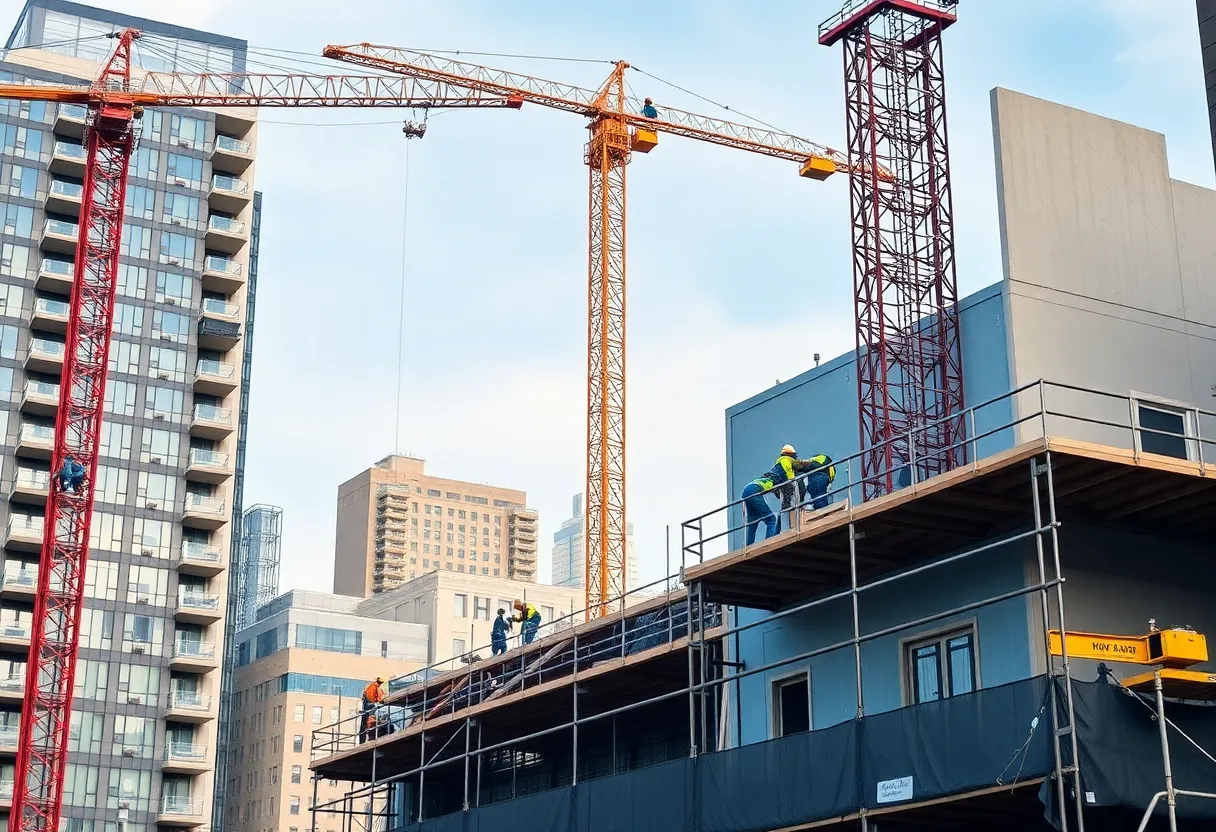
What Are the Essential Steps to Navigate New York’s Home Building Process Successfully?
Building a home in New York City presents a complex series of steps, rigid regulations, and meticulous planning. To ensure a successful project, prospective homeowners and developers must understand the unique legal, zoning, and procedural landscape of the city. This guide delineates the critical steps necessary to manage the home building process efficiently, reduce potential delays, and achieve compliance with local standards.
Initial Planning and Feasibility Assessment
Define Project Goals and Budget
Start by establishing clear objectives for the project. Determine the size, style, and scope of the intended home. Concurrently, set a realistic budget that includes land acquisition, construction costs, permits, and contingency funds. Understanding financial limits early prevents overcommitment later.
Conduct Market and Site Research
Assess potential sites for attributes like zoning classifications, existing infrastructure, and neighborhood regulations. Evaluate accessibility, proximity to amenities, and future development plans that could affect property value or construction logistics.
Perform Preliminary Feasibility Study
Work with architects or planners to analyze if the desired project aligns with local zoning laws, building codes, and environmental constraints. This step helps identify potential obstacles before investing heavily in detailed designs.
Engagement with Professionals and Preliminary Design
Hire Qualified Experts
Secure a team comprising licensed architects, engineers, and legal consultants familiar with New York’s regulatory environment. Their expertise is essential for navigating permits, code compliance, and documentation.
Design Concept and Development
Develop initial architectural plans that respect zoning restrictions, such as setback requirements, height limitations, and floor area ratios. Incorporate sustainable practices where possible to align with New York’s evolving standards for energy efficiency.
Pre-application Consultation
Engage in pre-application meetings with city agencies, including the Department of Buildings (DOB), to clarify requirements and receive guidance. These discussions can reveal potential hurdles and streamline subsequent review processes.
Environmental and Site Approvals
Environmental Impact Assessment
Depending on project size and location, an environmental review might be necessary. It assesses effects on local ecology, flood zones, and historic districts.
Land Use and Zoning Approvals
Verify that the intended development complies with the local zoning code. If modifications are needed, consider applying for variances or special permits through the Board of Zoning Appeals.
Environmental and Historic Preservation Regulations
Consult with relevant agencies if the site is within a historic district or marked as protected land. Complying with preservation criteria is critical to obtaining approvals.
Permitting Process and Detailed Design
Final Design and Engineering
Refine architectural and engineering plans based on feedback from permits and compliance agencies. Ensure plans are detailed enough for submission and construction.
Application for Building Permits
Submit comprehensive documentation, including plans, specifications, and environmental reports, to the Department of Buildings. Pay necessary fees and ensure all forms are correctly filled out.
Plan Review and Revisions
The DOB reviews submissions for compliance with building codes, zoning laws, and safety standards. Expect potential requests for revisions or additional documentation.
Construction Phase
Contractor Selection
Hire licensed, reputable contractors experienced in city-specific construction standards. Obtain multiple bids and verify credentials to ensure quality and compliance.
Pre-Construction Meeting and Permits
Coordinate site preparation, scheduling, and safety protocols. Confirm all permits are in place before commencing physical work.
Monitoring and Compliance
Maintain ongoing communication with project managers. Conduct regular inspections to ensure work aligns with approved plans and building codes.
Inspections, Approvals, and Final Certification
Inspections During Construction
Schedule mandatory inspections at key milestones, including foundation, framing, electrical, and plumbing inspections. City inspectors validate adherence to standards.
Addressing Non-compliance Issues
Resolve any issues identified during inspections promptly. Re-inspections may be necessary before proceeding.
Final Certificate of Occupancy (CO)
Once all inspections affirm compliance, obtain the CO. This document legally permits occupancy and signifies construction completion.
Post-Construction and Occupancy
Final Walkthrough and Addressing Deficiencies
Conduct a comprehensive review of work completed. Document and address any deficiencies or warranty issues with contractors.
Obtaining Essential Documentation
Secure all required documentation, such as logbooks, maintenance manuals, and certification of compliance, to facilitate future property management or sale.
Move-In and Property Management
Implement routines for property maintenance and ensure adherence to city regulations regarding occupancy and safety standards.
Additional Considerations Specific to New York City
Navigating Local Regulations
New York City imposes some of the nation’s strictest building codes. Familiarize yourself with locally specific measures, including requirements for fire safety, ventilation, and accessibility.
Historic Districts and Landmark Restrictions
Properties within designated historic districts often face additional restrictions. Engage with the Landmarks Preservation Commission early to understand limitations and opportunities.
Affordable Housing and Community Impact
Developers may need to incorporate affordable units or contribute to community benefits, as dictated by city planning initiatives and zoning laws.
Conclusion
Successfully navigating New York’s home building process demands meticulous planning, expert guidance, and unwavering adherence to regulations. By systematically following these key steps, prospective homeowners and developers can minimize risks and ensure a smooth journey from conception to completion. Embracing transparency, proactive engagement with city agencies, and rigorous oversight at every stage significantly enhance the likelihood of project success in the dynamic environment of New York City.