

News Summary
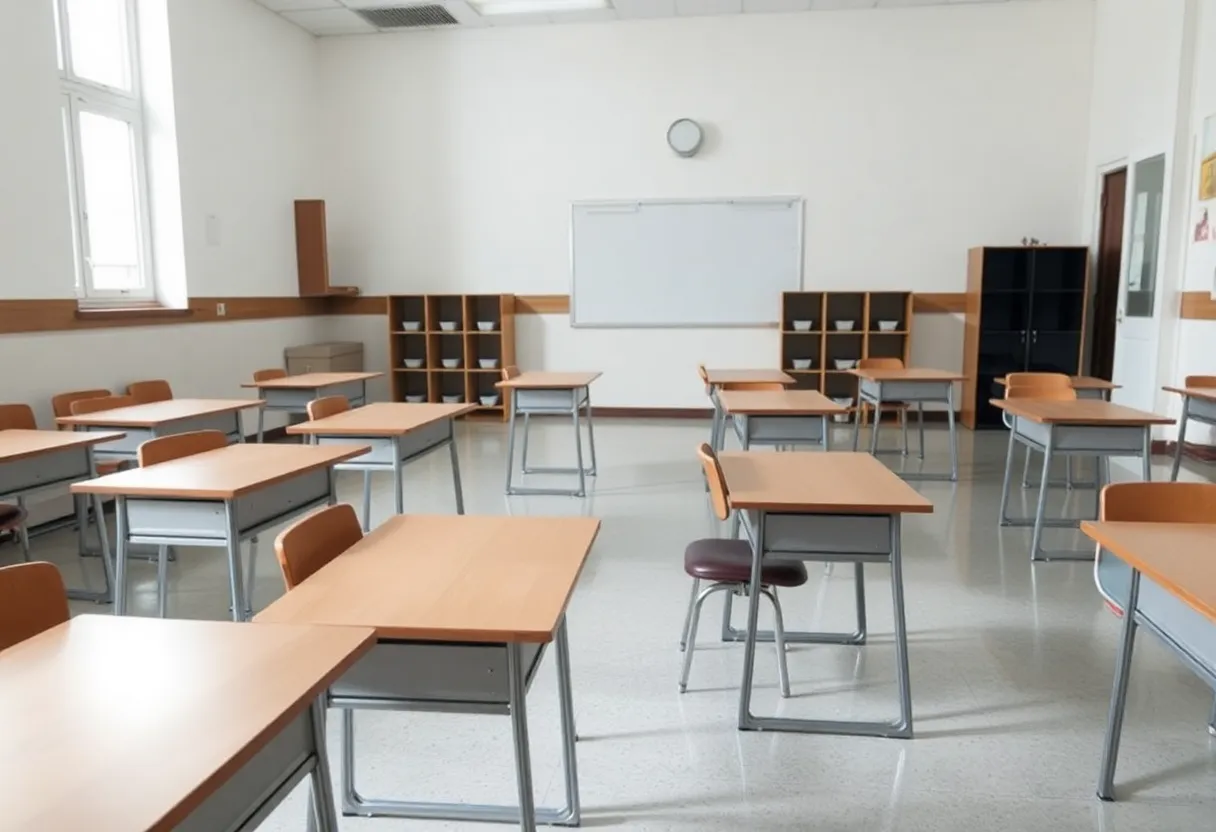
A study by Oxford University highlights the long-term economic consequences of school closures during the COVID-19 pandemic, which, while saving lives, resulted in approximately £1.6 trillion in economic losses. The research emphasizes that alternative measures, such as mask mandates, could have been more effective at reducing virus transmission with lower economic disruption. The findings suggest the need for improved pandemic strategies that balance public health and economic impacts.
Oxford— A recent study conducted by researchers at Oxford University’s Department of Statistics and the Leverhulme Center for Demographic Science has revealed that the school closures during the COVID-19 pandemic, while effective in preventing deaths, incurred substantial long-term economic costs. This analysis focused on various policies implemented across the United States in 2020, prior to the introduction of vaccines.
The study evaluated eleven different non-pharmaceutical interventions, combining disease modeling with economic analysis. It found that the school closures, which aimed to mitigate virus transmission, prevented approximately 77,200 COVID-19 deaths and reduced transmission rates by 8.2%. However, the researchers estimated long-term economic losses resulting from these closures to be around £1.6 trillion ($2 trillion). These losses stemmed largely from detrimental effects on education, as students lost an average of 0.35 school-years of learning, with some states maintaining school closures for nearly the entire 2020-2021 academic year.
In contrast, other interventions, such as mask mandates, proved more effective at reducing virus transmission with significantly lower economic costs. Specifically, mask mandates reduced virus transmission by 19% while implementing minimal economic disruption. Testing and contact tracing programs were also found to be efficient when weighing their costs against their effectiveness.
The findings of this study underscore that the policy responses to the pandemic may not have been optimal overall. The research suggests that an improved strategy combining multiple interventions could have reduced the total economic impact of the pandemic in the U.S. from £3.7 trillion ($4.6 trillion) to £1.5 trillion ($1.9 trillion), while also saving over 100,000 additional lives.
Additionally, the study’s co-author emphasized the necessity for better national surveillance data in the U.S., which could mirror the effective practices employed in the U.K. during the pandemic. Such data is crucial for developing informed and effective public health responses in real-time.
The research provides vital insights for future pandemic planning and suggests that an optimal combination of measures could yield better health outcomes while minimizing economic disruption. Recommendations for handling future outbreaks include the prompt deployment of testing and contact tracing, the implementation of mask mandates, adherence to social distancing protocols, and targeted facility closures rather than widespread measures.
The study, titled “Optimal pandemic control strategies and cost-effectiveness of COVID-19 non-pharmaceutical interventions in the United States,” has been published in BMC Global and Public Health.
This comprehensive analysis not only sheds light on the impact of school closures but also highlights the importance of understanding the balance between public health interventions and economic consequences. As society reflects on lessons learned from the pandemic, these findings could guide policymakers in designing effective strategies that prioritize both health outcomes and economic stability in future public health crises.
Deeper Dive: News & Info About This Topic
HERE Resources
Hudson School District Considers School Closures Amid Budget Cuts
Waukesha School Board Considers Closing Elementary Schools
Carta Partners with NYSE for Public Listings
Wilmington Area High Schools Ranked by U.S. News
Educational Crisis: High School Students Struggle in Reading and Math
Evanston School Board Considers Potential Closures Amid Budget Deficit
Hudson School Board Plans Community Meeting on Elementary Closures
New Cellphone Ban Implemented for New York City Students
New York Introduces Cellphone Ban in Schools
Sound Christian Academy Closes Suddenly, Leaving Families in Distress
Additional Resources
- Medical Xpress
- Wikipedia: COVID-19 pandemic
- Mira News
- Google Search: impact of school closures COVID-19
- New York Post
- Google Scholar: COVID-19 school closures
- The Hill
- Encyclopedia Britannica: Education
- New York Magazine
- Google News: COVID-19 school closures effects