
10 Incredibly Easy Plants to Brighten Up Your New York Garden This Spring
Creating a vibrant, welcoming garden in the heart of New York is achievable with plants that are both resilient and simple to maintain. The region’s diverse climates—from cold winters to temperate springs—require select species that can thrive with minimal intervention. Choosing easy-to-grow plants tailored to these conditions ensures a colorful display that lasts through the spring. Here, we detail ten ideal plants that require little effort yet deliver significant aesthetic appeal to your garden.
1. Grape Hyacinths (Muscari spp.)
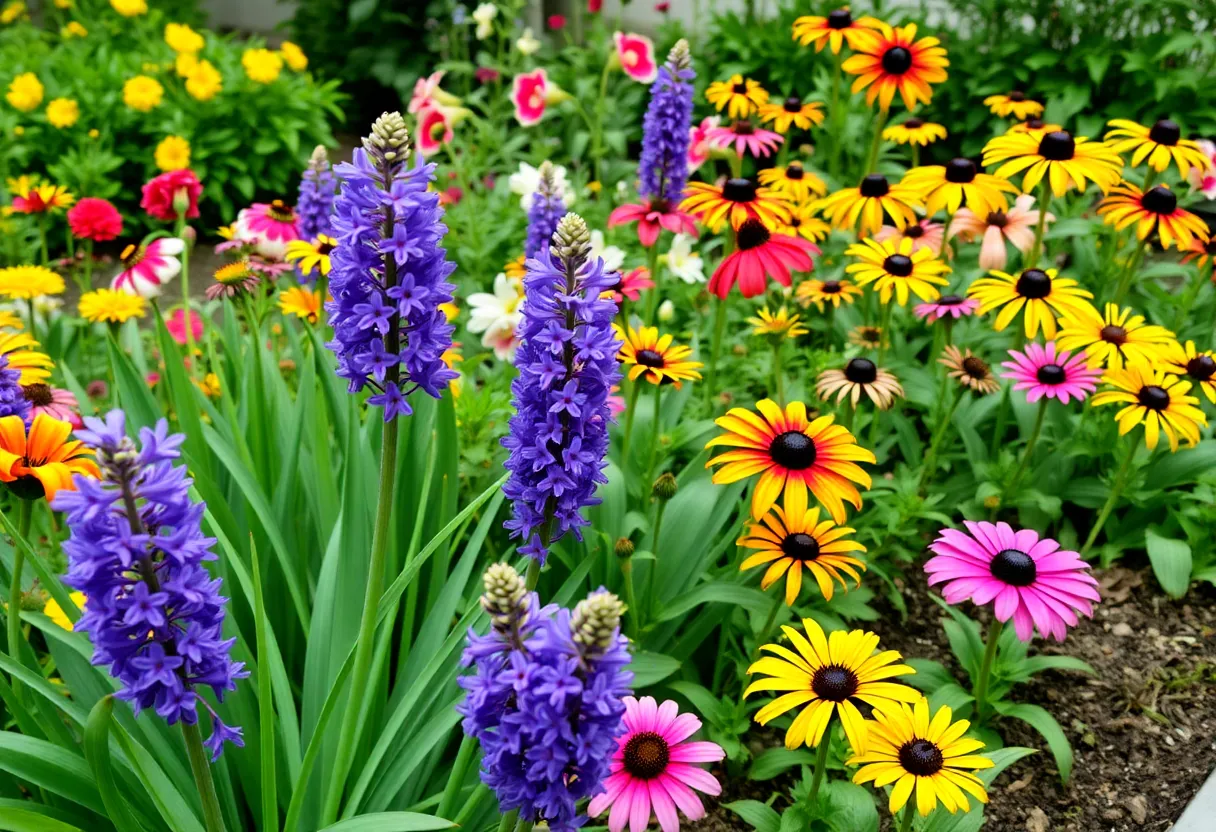
Grape hyacinths are among the earliest bloomers in spring, providing dense clusters of small, bell-shaped flowers resembling clusters of grapes. Known for their hardiness, they flourish in USDA zones 4–9, making them suitable for most of the New York region. These perennial bulbs prefer well-draining, loamy soil and full sun to partial shade. Plant bulbs in fall—shallowly, about 3-4 inches deep—and expect naturalization over time.
Once established, grape hyacinths spread freely, creating carpets of color that require no special pruning. They are easily propagated by division and are virtually pest- and deer-resistant. Minimal watering after establishment and periodic deadheading encourage healthy, continuous blooms. Their versatility makes them perfect for borders, containers, or lawns.
2. Daylilies (Hemerocallis spp.)
Daylilies are celebrated for their adaptability and low maintenance, often thriving with minimal care. Their wide range of colors—from vibrant reds and yellows to soft pastels—adds instant visual interest. These perennials tolerate various soil conditions provided they are well-drained, and they flourish in full sun to partial shade.
Once established, daylilies require only periodic watering and are highly resistant to pests and diseases. They propagate rapidly through root division, making them excellent for filling gaps or expanding a garden bed. Deadheading spent flowers extends their bloom period. Their toughness and ease of care make them ideal for novice gardeners seeking reliable, colorful impact.
3. Black-Eyed Susans (Rudbeckia hirta)
Black-Eyed Susans are perennials that add a cheerful splash of yellow to spring and summer landscapes. Their daisy-like appearance, distinguished by dark centers, attracts bees and butterflies, creating a lively garden environment. They thrive in drought-tolerant conditions and accept a wide range of soils.
Plant in full sun for optimal flowering. They require minimal watering once established and benefit from deadheading to prolong blooming. These hardy plants are tolerant of pests and diseases, making them highly suitable for low-maintenance gardens. They serve well as background plants or mass plantings, brightening any space effortlessly.
4. Hostas (Hosta spp.)
Hostas are shade-loving perennials, ideal for areas with limited sunlight. Their lush foliage—ranging from deep green to variegated patterns—adds texture and contrast. Hostas prefer moist, well-draining soil and thrive in partial to full shade gardens.
They require only regular watering and benefits from periodic division every 3-4 years to prevent overcrowding. Hostas are low-maintenance and largely resistant to pests, aside from snails and slugs. Their understated elegance enhances shaded borders, woodland gardens, and container displays with minimal effort.
5. Coral Bells (Heuchera spp.)
Coral Bells bring colorful foliage and delicate flowers to shaded or partly shaded areas. The leaves exhibit a wide range of hues—from deep purple and burgundy to lime green and silver—adding seasonal interest even when not flowering. They prefer well-drained soil and benefit from regular watering.
Relatively resistant to pests and diseases, Coral Bells can tolerate a variety of soil conditions. They propagate easily through division and thrive with moderate care. Their small, bell-shaped flowers appear on slender stems and complement their colorful leaves, making them ideal for shaded borders and containers.
6. Primroses (Primula spp.)
Primroses are early bloomers, often flowering in late winter to early spring. They add bright pops of color—in shades of pink, purple, orange, and yellow—to underplantings and shaded borders. Preferring cooler temperatures, they thrive in partial shade and moist, well-draining soil.
Regular watering, especially during dry spells, supports healthy growth. Deadheading encourages longer flowering periods, while dividing plants every few seasons maintains vigor. Primroses attract pollinators and are suitable for woodland gardens or shaded beds requiring low-maintenance, early-season color.
7. Bleeding Hearts (Dicentra spp.)
Bleeding Hearts are noted for their distinctive, heart-shaped flowers that dangle delicately from arching stems. They excel in cool, moist environments with partial to full shade. These perennials prefer rich, well-draining soil and benefit from consistent watering during their active growth phase.
Post-bloom, their foliage remains attractive, and plants can be divided to maintain health. Though somewhat sensitive to drought and extreme heat, their attractive appearance and graceful flowers make them a low-effort choice for shaded or semi-shaded gardens. They add an element of elegance and are particularly suited for woodland or shaded border settings.
8. Astilbes (Astilbe spp.)
Astilbes are shade-tolerant perennials that flourish in moist, rich soils. Their feathery plumes in shades of pink, white, red, and purple add a soft, airy texture to gardens. They excel in partial to full shade, making them ideal for woodland settings or shaded borders.
Ensure consistent watering, especially during dry periods, to sustain their lush foliage and blossom display. Mulching around the base helps retain soil moisture and suppress weeds. Once established, they require minimal maintenance and naturalize steadily, providing long-lasting interest with little effort.
9. Columbines (Aquilegia spp.)
Columbines are versatile perennials that grow in full sun to partial shade. Recognizable for their unique, spurred flowers in a spectrum of colors—blue, purple, pink, and white—they attract hummingbirds and butterflies, adding lively movement to the garden.
They prefer well-draining soil and benefit from regular watering. Deadheading spent flowers promotes bloomy periods extending into early summer. Their adaptability and low-maintenance nature make them suitable for a variety of garden styles, including border plantings and rock gardens.
10. Virginia Bluebells (Mertensia virginica)
Virginia Bluebells are native woodland perennials that bring early-season charm with their clusters of bell-shaped, blue flowers. They naturally thrive in partial to full shade and thrive in moist, well-draining soil.
These plants are low-maintenance and self-seeding, allowing them to naturalize over time—creating a lush carpet of springtime blue. Their foliage remains attractive throughout the season, providing texture and depth. They are particularly effective in shaded woodland gardens, adding a soft, natural aesthetic with minimal intervention.
Conclusion
Incorporating these easy-to-grow plants into your New York garden enables you to enjoy vived, season-long color with minimal effort. Their resilience to regional climate challenges and low-maintenance needs make them ideal choices for gardeners of all experience levels. By selecting these plants, you can craft a lively, eye-catching landscape that celebrates the vibrant renewal of spring in New York.