

What Are the Key Elements of Successful DIY Home Repair Projects?
Clear Planning and Goal Setting
Effective home repair begins with detailed planning. Determining the scope of the project is crucial to success. Clearly define the problem and establish specific objectives. For example, if fixing a leaky faucet, identify whether the entire fixture needs replacement or just a washer. Setting tangible goals minimizes wasted effort and unexpected challenges.
Develop a comprehensive plan that includes the necessary steps, timeframes, and required tools and materials. List every component to prevent multiple trips to hardware stores, which can lead to delays and increased costs. Having a clear plan ensures a smooth workflow and helps manage your expectations throughout the process.
Thorough Knowledge and Skill Assessment
Assess your current skills relative to the project’s demands. Basic tasks such as painting or replacing a faucet are manageable for DIY enthusiasts, but complex jobs like foundation repairs or extensive electrical work may require professional expertise.
Invest in learning proper techniques through reputable sources. Many successful DIYers benefit from instructional videos, manuals, or workshops. Knowing your limitations prevents errors that could compromise safety or lead to costly damages.
Accurate Measurement and Detailed Documentation
Precision in Measurements
Accurate measurements prevent mistakes and ensure parts and materials fit correctly. Use reliable tools like tape measures, levels, or calipers. Double-check measurements before cutting or assembling, particularly when working with specific dimensions or fabricating custom parts.
Documentation of Processes and Components
Keep a detailed record of ongoing procedures, including notes on material types and quantities. Documenting steps helps troubleshoot issues, replicate repairs if needed, and track costs for future projects. It also provides clarity should you need to consult a professional at any stage.
Quality Tools and Material Selection
Using the right tools enhances efficiency and safety. Invest in durable, high-quality equipment suited to the task. For instance, proper screwdrivers, drills, and hammers reduce effort and improve results.
Material selection influences durability and appearance. Opt for materials that match the existing structure or decor and adhere to safety standards. Employ reputable brands and avoid cheap substitutes that may fail prematurely.
Budget Management and Cost Control
Estimate project costs early, factoring in materials, tools, and potential unforeseen expenses. Allocate a contingency fund (usually around 10-15%) for surprises such as hidden damage or additional parts needed.
Monitoring expenses throughout maintains financial control. Avoid impulse purchases and prioritize essentials. Well-managed budgets prevent project abandonment due to lack of funds.
Safety Precautions and Compliance
Personal Protective Equipment (PPE)
Prioritize safety by using PPE such as gloves, goggles, masks, and appropriate footwear. This mitigates risks from sharp objects, fumes, and electrical hazards.
Adherence to Building Codes and Regulations
Research relevant codes and regulations applicable to the project. Compliance ensures legality and safety, preventing costly legal issues or the need for rework.
Secure permits when required, particularly for structural or electrical modifications. Failure to adhere can result in fines or mandated removals, negating your efforts and investments.
Step-by-Step Execution and Flexibility
Break larger projects into smaller, manageable tasks. Approach each with focus, completing one before moving to the next. This prevents overwhelm and allows for quality control at each stage.
Maintain flexibility to adapt if surprises arise. Mechanical or structural issues may demand deviations from the initial plan. Being adaptable avoids frustration and keeps the project on track.
Proper Time Management
Set realistic timeframes for each phase, considering your availability and the project’s complexity. Avoid rushing, which often leads to mistakes.
Schedule extra time for drying, curing, or adjustments. Keeping a steady pace ensures thoroughness and reduces errors caused by haste.
Effective Problem Solving and Troubleshooting
Anticipate potential issues by researching common challenges related to your project. When issues arise, systematically troubleshoot by isolating causes and testing solutions.
Patience and methodical approaches are vital. Document solutions for future reference, creating a personal knowledge base for ongoing DIY efforts.
Cleanwork Environment and Organization
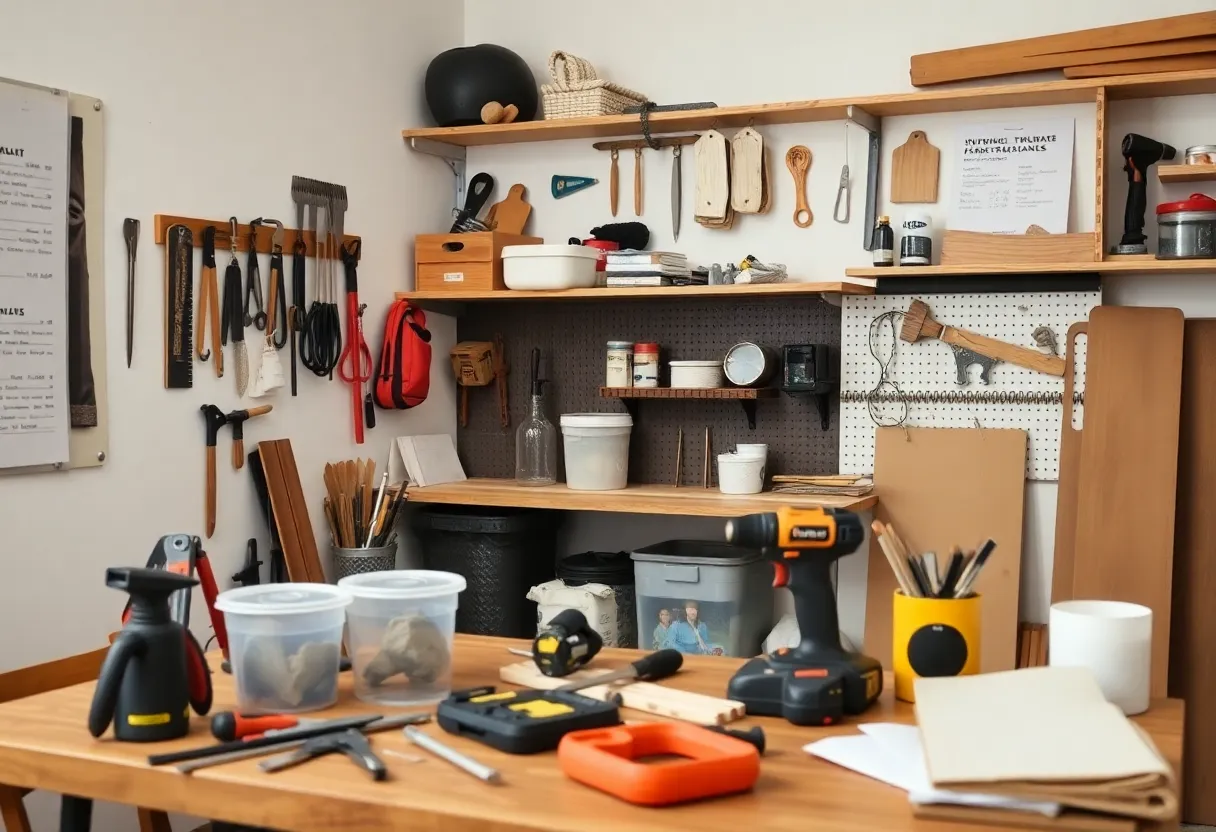
A tidy workspace promotes safety and efficiency. Organize tools and materials in designated areas. Clean up debris regularly to prevent accidents and maintain clarity.
This discipline reduces wasted time searching for tools and prevents damage to materials, contributing to a professional finish.
Quality Finishing and Final Inspection
Pay attention to detail during the finishing phase. Sand, paint, or seal surfaces thoroughly to enhance appearance and durability.
Conduct a comprehensive inspection to ensure all aspects meet safety standards and aesthetic expectations. Address identified issues before considering the project complete.
Post-Repair Maintenance and Documentation
Implement a maintenance schedule appropriate for the repair. Routine inspections and upkeep extend the lifespan of your work.
Update your project documentation with notes on procedures, materials used, and any recommendations. This record helps in future repairs or enhancements.
Maintaining Patience and Realistic Expectations
Recognize that DIY repairs often take longer than anticipated. Patience minimizes mistakes caused by rushing. Celebrate small successes to stay motivated.
Set achievable goals, understanding that mastery develops over time. Realistic expectations prevent disappointment and foster continuous improvement.
Summary
Successful DIY home repair projects hinge on a combination of strategic planning, skilled execution, and meticulous attention to detail. From careful assessment, correct tool usage, and safety adherence to troubleshooting and finishing, each element plays a vital role. Emphasizing quality, organization, and patience ensures durable, safe, and satisfying outcomes.