
What Are the Most Cost-Effective Home Improvements That Pay Off?
Identifying High-Return Home Improvements
Investing in home improvements can significantly increase property value and enhance comfort. The key lies in selecting upgrades that offer high returns relative to their costs. Such improvements should be strategic, focusing on projects with proven payback periods and measurable increases in home worth.
Cost-effective enhancements typically involve modest investments with substantial payoffs, whether through increased resale value, energy savings, or reduced maintenance costs. Prioritizing upgrades that appeal to a broad spectrum of buyers or improve efficiency ensures alignment with market demands.
Major Categories of Cost-Effective Improvements
Energy Efficiency Upgrades
Among the most impactful investments are improvements that reduce ongoing utility bills. These include upgrading insulation, Installing energy-efficient windows, and replacing old HVAC systems. The initial outlay often pays itself back within a few years, all while decreasing the property’s carbon footprint.
Insulation and Sealing all gaps in walls, attics, and basements prevent drafts, improve indoor comfort, and lower heating and cooling costs. This is considered one of the highest ROI improvements, especially in regions with extreme weather.
Energy-efficient Windows replace aging, single-pane windows. They provide better insulation, reducing energy bills. Though initial costs can be significant, the combined savings and increased home appeal justify the expense.
Heating, Ventilation, and Air Conditioning (HVAC) systems have a substantial impact on energy consumption. Upgrading to high-efficiency units often yields financial savings within five to ten years, alongside enhancing indoor air quality.
Kitchens and Bathrooms: Modernization Without Overhaul
Kitchens and bathrooms consistently deliver high value on resale. Opting for cost-effective improvements can include replacing outdated fixtures, refinishing cabinets, and installing energy-efficient appliances. These small changes enhance aesthetics and functionality with minimal expenditure.
When upgrading kitchens, focus should be on durable, timeless fixtures and hardware. For bathrooms, replacing old faucets, updating lighting, and installing low-flow toilets can boost appeal with modest budgets.
Because these rooms influence buyer decisions greatly, minor enhancements can generate disproportionate financial gains compared to their costs.
Exterior Improvements for Curb Appeal
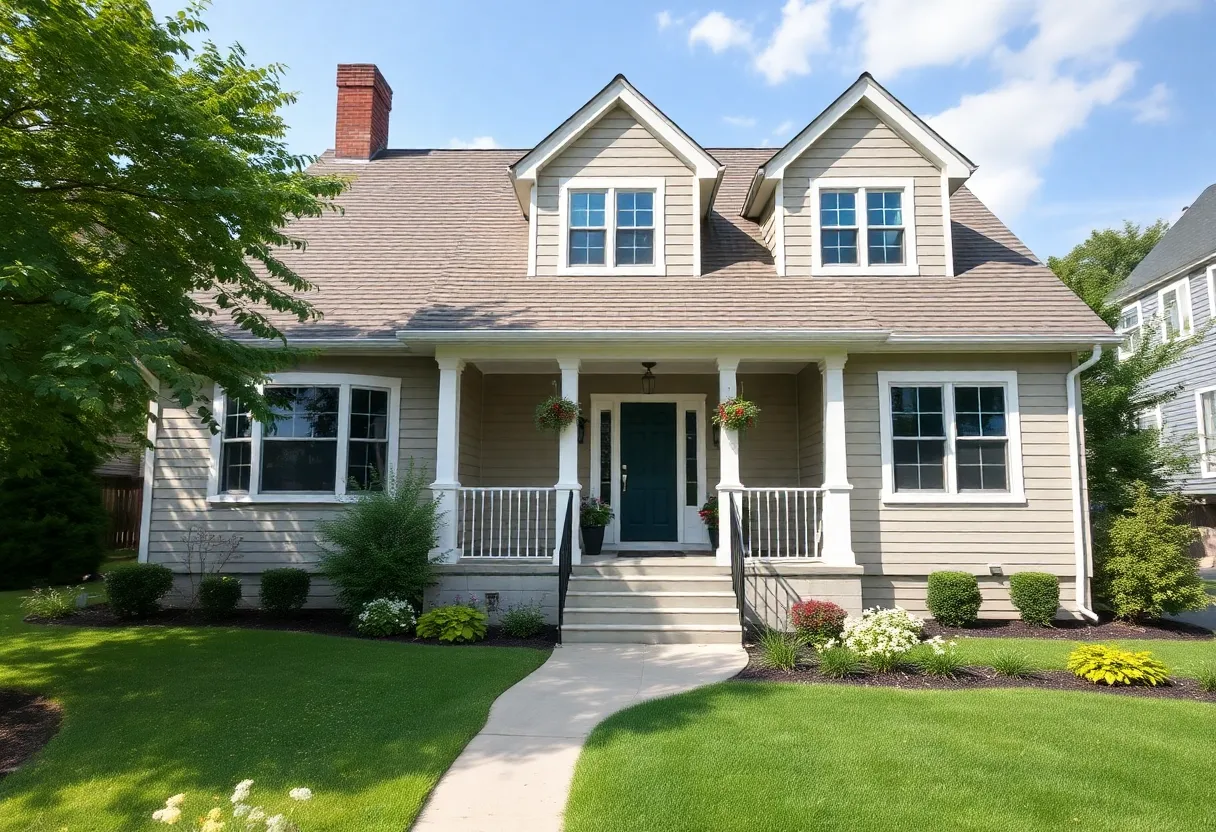
First impressions matter. Simple exterior upgrades such as fresh paint, landscaping, and maintaining the driveway or pathways can dramatically improve perceived value. These improvements often cost less than extensive renovations but provide high returns since they increase initial attractiveness.
Landscaping that emphasizes native plants, consistent lawn care, and clean walkways send a strong message of well-maintained property. Over time, these enhancements can lead to increased offers or faster sales.
Structural and Maintenance Savings
Roof Repairs and Replacement
Addressing roof damage or aging roofs is a prudent investment. While costly upfront, a well-maintained roof prevents leaks, reduces interior damage, and prolongs overall home lifespan. A new, energy-efficient roof can also improve insulation and reduce cooling costs.
Foundation and Drainage Improvements
Addressing foundational issues or improving drainage prevents costly problems down the line. Proper grading, gutter installation, and foundation repairs are crucial for structural integrity. Prevention reduces future repair expenses and sustains property value.
Simpler, Low-Cost Upgrades with High Impact
Lighting
Upgrading lighting fixtures and adding strategic LED lighting enhance aesthetics and functionality. LED bulbs save energy and last longer, reducing ongoing costs. Well-lit rooms feel larger and more inviting, increasing home desirability.
Paint and Wall Finishes
Fresh paint is one of the most cost-effective ways to refresh a space. Neutral tones appeal to a broad audience. This quick upgrade can dramatically change a room’s ambiance at a fraction of renovation costs.
Smart Home Devices
Installing programmable thermostats, smart locks, or security cameras provides both convenience and perceived modernity. These small tech improvements can increase home security and reduce energy use, offering quick payback periods.
Strategies to Maximize Return on Investment
Prioritize Projects with Broad Appeal
Home improvements that attract the widest audience tend to deliver higher returns. Focus on upgrades that are universal, like kitchen updates or energy-saving features, rather than niche modifications.
Balance Cost and Quality
Choosing durable, mid-range materials often offers better ROI than luxury finishes. High-quality work prevents future repairs and ensures longevity, preserving investment value over time.
Assess Local Housing Market
Understanding regional preferences helps tailor improvements. For example, regions emphasizing energy savings make insulation and windows more valuable, while coastal areas prioritize exterior and roof durability.
Environmental Impact and Utility Savings
Cost-effective improvements often overlap with eco-friendly initiatives. Installing solar panels, when financially viable, offers substantial long-term savings and can increase property attractiveness to environmentally conscious buyers.
Consistently, reductions in energy and water consumption are not only cost-effective but align with broader sustainability goals, appealing to modern homebuyers.
Assessing Cost vs. Benefit
Each potential upgrade should undergo a careful cost-benefit analysis. Consider payback periods based on expected energy savings, increased property value, and maintenance reductions.
For example, a small kitchen remodel might cost $10,000 but yield a 75% return during resale. Conversely, extensive renovations may not pay off if they exceed potential value increases.
Monitoring local market values and consulting with real estate professionals can guide investment decisions, optimizing returns on improvements.
Long-term Maintenance Versus Upfront Cost
Focusing on durability reduces ongoing costs. For example, choosing composite decking over wood can lower maintenance needs. Ensuring quality installation prevents costly repairs and replacements later.
Smart investments also include regular upkeep, which sustains the value and prevents deterioration, maximizing the benefits of initial expenditures.
Leveraging Financing and Incentives
Many energy-efficient upgrades qualify for incentives or rebates, reducing net costs. Exploring local or federal programs can improve the financial feasibility of green upgrades.
Low-interest loans or grants may also support necessary repairs, enabling homeowners to implement improvements without undue financial strain.
Final Note: Focus on Strategic Upgrades
To achieve maximum ROI, prioritize improvements aligned with your home’s needs and market trends. Avoid impulsive or overly costly projects that lack clear financial benefits. Thoughtful, targeted enhancements deliver the greatest payoffs.
Balanced investments combining energy efficiency, aesthetic appeal, and structural integrity minimize expenses while maximizing property value. Carefully planning and executing these upgrades ensures they are truly cost-effective and profitable in the long run.