
10 Must-Visit Community Gardens in New York for Urban Gardening Inspiration
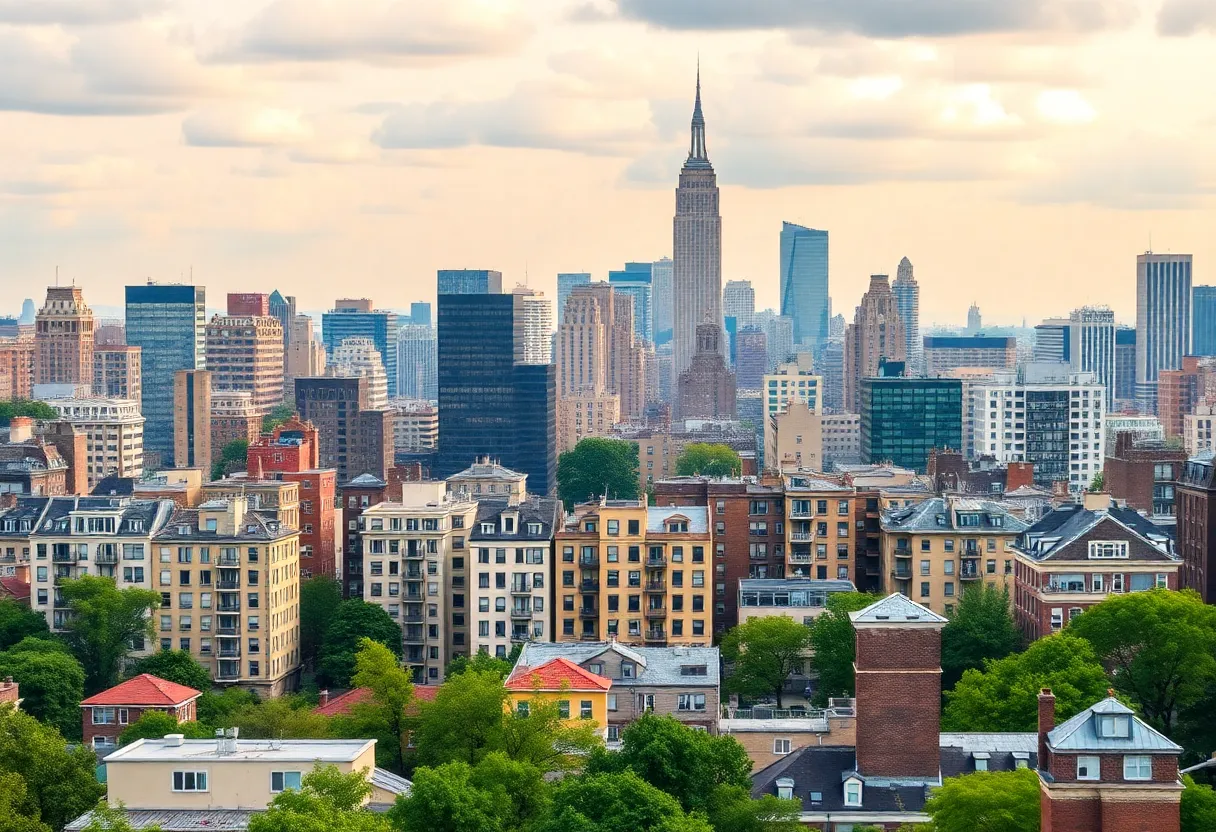
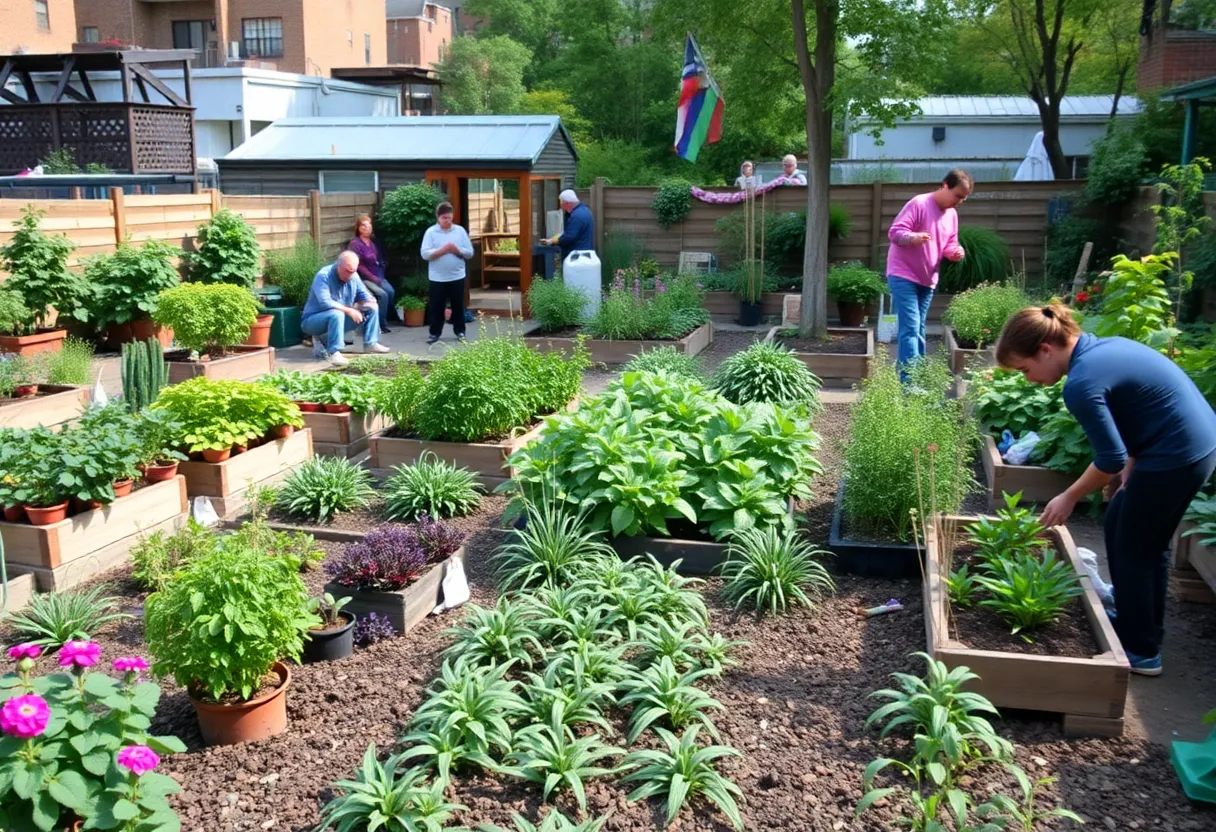
New York City’s dense urban environment is often associated with towering skyscrapers and limited green space. However, beneath the city’s hustle lies a rich network of community gardens—vital oases that foster natural engagement, social connection, and sustainability within the city. These gardens serve as platforms for community-led initiatives, education, and ecological stewardship. Here are ten notable community gardens across the five boroughs that exemplify the diversity and resilience of NYC’s urban gardening movement.
1. Le Petit Versailles
Location: 247 E. 2nd Street, Manhattan
Established: 1996
Overview: Le Petit Versailles stands out as a pioneering space in Manhattan’s Lower East Side. Originally founded by artists Peter Cramer and Jack Waters, it extends beyond typical community gardening, functioning as a queer public space. The garden hosts an array of community events such as art exhibitions, poetry readings, live performances, and film screenings. As part of the NYC Department of Parks’ GreenThumb program, it regularly invites proposals for artistic projects, fostering a vibrant intersection of art, activism, and nature.
2. La Plaza Cultural de Armando Perez
Location: East Village, Manhattan
Established: 1976
Overview: Serving as a multifunctional space, La Plaza Cultural de Armando Perez has deep roots in community activism. It functions as a public green space, urban farm, and performance venue. The garden plays an integral role in local outreach, accommodating day-care centers, after-school programs, and neighborhood events. Its growing edible plantings, including fruits and herbs, support local food initiatives and environmental education, making it a cornerstone of East Village’s community resilience.
3. Elizabeth Street Garden
Location: Elizabeth Street, between Prince & Spring Streets, Manhattan
Established: 1991
Overview: Occupying a full acre, Elizabeth Street Garden functions as a sculpture garden and green retreat. Managed by a dedicated nonprofit, it offers a serene environment amid the bustling Nolita neighborhood. Its design emphasizes public art and sustainable landscaping, providing an inviting space for community gatherings, art installations, and environmental stewardship activities.
4. 6th Street and Avenue B Garden
Location: 6th Street and Avenue B, East Village, Manhattan
Established: 1984
Overview: Known as the 6 BC Botanical Garden, this member-run space originated through a temporary GreenThumb lease and later transitioned into a licensed city garden. It functions as a community oasis, offering residents a relaxation area and a venue for neighborhood events. Its development reflects persistent grassroots efforts to preserve green space in NYC’s dense urban fabric.
5. Albert’s Garden
Location: 16-18 East 2nd Street, Manhattan
Established: 1971
Overview: Albert’s Garden is a historic East Village space established after the city repossessed property for unpaid taxes. Named after local figure Albert Eisenlau, it exemplifies urban reclamation and community ownership. Its mature greenery provides a shaded refuge for residents and hosts community-oriented events throughout the year.
6. All People’s Garden, Inc.
Location: 293-295 East 3rd Street, Manhattan
Established: 1978
Overview: Founded as a response to neighborhood challenges, All People’s Garden was initiated by a former VISTA volunteer with the goal of fostering healthy, drug-free community spaces. It offers residents a green refuge and actively hosts workshops, outreach sessions, and community celebrations. Its origin underscores the importance of grassroots activism in sustaining urban green spaces.
7. 5th Street Slope Children’s Garden
Location: 626-27 E. 5th Street, Manhattan
Established: 1993
Overview: Targeted primarily at children’s education and recreation, this garden serves as an interactive space for early environmental learning. Designed to foster curiosity about nature, it offers planting beds suited for young gardeners, outdoor classrooms, and community events that promote environmental stewardship from a young age.
8. 6 BC Botanical Garden
Location: 624 East 6th Street, Manhattan
Established: 1981
Overview: This urban botanical space functions as a community hub emphasizing native plantings and ecological sustainability. It provides habitat for local wildlife while offering residents space for relaxation, education, and community gardening activities. Its continuity demonstrates long-term dedication to ecological preservation amidst rapid urban development.
9. 6th Street & Avenue B Garden (Repeated Entry Clarification)
Note: This entry refers to the same garden as previously described, emphasizing its role as a member-led space contributing to the East Village’s green fabric. Ongoing efforts aim to maintain its accessibility and foster community participation.
10. 6th Street & Avenue B Garden (Alternative Entry)
Location: 84 Avenue B, East Village, Manhattan
Established: 1984
Overview: Serving as a community-led green space, this garden exemplifies persistent grassroots efforts to secure and maintain urban gardens. It functions as a network node for neighborhood cohesion and offers an environment conducive to relaxation, social events, and environmental education. Its history reflects city-wide challenges and successes in preserving green spaces in densely populated districts.
Conclusion
These community gardens highlight NYC’s commitment to urban greening, environmental education, and community empowerment. Each space encapsulates a unique neighborhood story, blending history, activism, and ecological awareness. For urban residents and visitors alike, exploring these gardens offers not only inspiration but also a reminder of green spaces’ vital role in city life. Their existence underscores the importance of community-driven efforts in transforming concrete landscapes into lush, sustainable environments.