
How to Plan a Blossoming Community Garden in New York City: Step-by-Step Guide for New York, NY
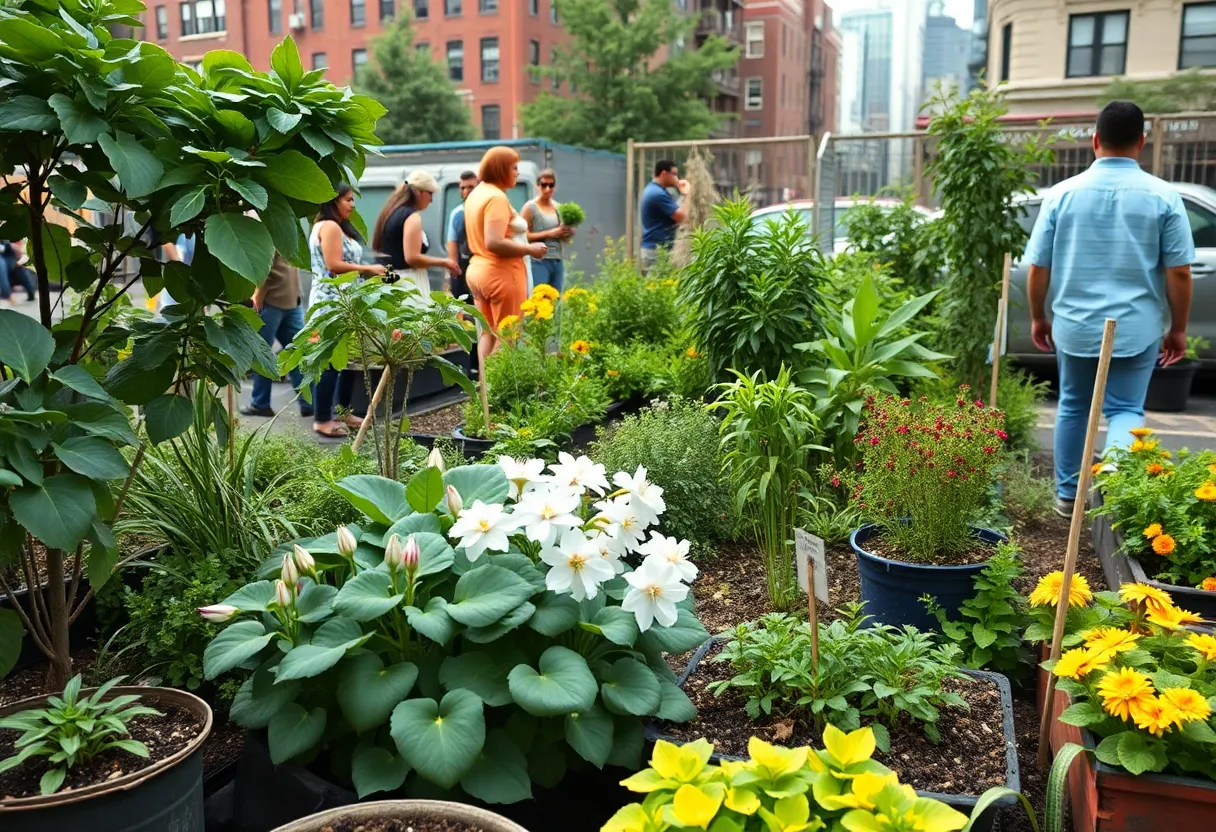
Establishing a community garden in New York City offers numerous benefits, including fostering community bonds, promoting sustainable urban living, and enriching green spaces amidst dense urban landscapes. Achieving a thriving community garden requires meticulous planning, engagement, and adherence to local regulations. This comprehensive guide provides a step-by-step approach to successfully develop and sustain a community garden in New York, NY.
1. Clearly Define Your Vision and Mission
Start the project by articulating your community garden’s core purpose and goals. Will the focus be on cultivating fresh produce, creating a recreational space, providing educational opportunities, or blending these objectives? A well-defined mission statement informs each subsequent step, aligns stakeholders, and attracts passionate participants.
2. Assemble a Committed and Skilled Team
An effective community garden relies on collaborative leadership. Identify individuals with diverse skills—garden design, outreach, fundraising, site management, and maintenance. Establish roles and responsibilities early. A strong, dedicated team ensures continuous progress and long-term sustainability.
3. Conduct a Thorough Site Assessment
Choosing the right location is paramount. Evaluate potential sites based on sunlight exposure, soil quality, access to water, and safety. Consider the site’s history for potential contamination. In New York City, land designated for agricultural use is permissible in most districts, except for specific zones like C7 districts aimed at amusement parks.
Perform soil tests to determine contamination levels and nutrient composition. Assess accessibility for community members, ensuring pathways are safe and convenient for all, including those with mobility challenges. Accessibility and safety are critical for long-term engagement.
4. Secure Permissions and Address Legal Considerations
Before initiating development, acquire necessary permissions. Engage with landowners—private or public—through lease agreements or licensing arrangements. For public land, coordinate with city agencies supporting community gardens. In NYC, programs exist that facilitate legal access and operational support for community green spaces.
Ensure compliance with local zoning and land use regulations, especially regarding land use designation for cultivation or recreational purposes. Clarify liability, insurance, and liability waivers for volunteers and participants.
5. Develop a Detailed Garden Plan
Craft a comprehensive plan encompassing:
- Garden Layout: Design zones for planting beds, pathways, benches, and communal areas. Use spatial planning tools to optimize land use.
- Plant Selection: Choose plants suited to New York City’s climate. Prioritize native species, vegetables, herbs, and flowers designed for urban gardens.
- Water Management: Incorporate efficient irrigation, such as drip systems or rainwater harvesting, to conserve resources.
- Budgeting: Outline initial costs for soil amendments, construction materials, tools, plants, and ongoing maintenance. Seek cost-effective solutions.
Utilize local resources, including existing garden planning templates and community garden workbooks, to ensure thoroughness and operational clarity.
6. Engage and Involve the Community
Community buy-in is essential. Host outreach events, informational meetings, and surveys to gather input and foster a sense of ownership. Solicit feedback on plant preferences, design ideas, and participation commitments.
Building consensus early encourages ongoing engagement and volunteerism. Promote inclusivity, inviting participation from diverse neighborhood groups, schools, and organizations.
7. Secure Funding and Resources
Funding is often the biggest hurdle. Explore grants, donations, and fundraising campaigns. Partner with local organizations supporting sustainability and urban agriculture. Many groups provide financial, material, and technical assistance.
Consider in-kind donations such as soil, seeds, tools, or construction supplies. Engage local businesses for sponsorships or contributions.
8. Implement the Garden Development Phase
After securing finances and permissions, initiate physical development. Organize volunteer workdays for tasks such as soil preparation, planting, building raised beds, and installing infrastructure like fencing and irrigation systems.
Ensure all work complies with city safety standards and land use regulations. Establish protocols for project oversight, safety, and record-keeping.
9. Establish Maintenance, Governance, and Management Structures
Develop a maintenance plan covering watering, weeding, harvesting, and pest control. Form a governing committee or board with elected roles, such as chair, treasurer, and facilitator.
Create bylaws, rules, and usage policies to manage community interaction, plot assignments, and conflict resolution. Utilizing organizational templates from community garden workbooks or local practices can streamline this process.
10. Promote Sustainability and Growth
Ensure the garden’s longevity by implementing sustainable practices, including composting, crop rotation, and native plant use. Regularly evaluate the garden’s health, member participation, and community impact.
Adopt environmentally responsible practices like composting, especially as NYC has mandated curbside composting for organic waste. Composting enriches soil organically, reduces waste, and lowers costs.
Encourage ongoing community input and adapt the garden management to new challenges and opportunities.
11. Foster Community Engagement and Education
Enhance the garden’s value by organizing educational workshops, youth programs, and sustainability initiatives. Collaborate with local schools, environmental groups, and experts.
Community events, harvest festivals, and planting days foster ongoing involvement and learning. Educational efforts help sustain interest and promote environmentally conscious behaviors.
12. Monitor, Evaluate, and Evolve
Implement mechanisms to monitor the garden’s condition and community satisfaction. Regularly solicit feedback and conduct evaluations to identify areas for improvement.
Adjust management practices, crop selections, and engagement activities based on feedback. Flexibility ensures the garden remains relevant and effective over time.
Conclusion
Creating a blossoming community garden in New York City demands careful planning, strong community involvement, and compliance with local regulations. By systematically following these steps—defining your mission, securing land and resources, engaging residents, and establishing sustainable practices—you will cultivate a valuable urban green space that benefits the neighborhood now and for future generations. Meticulous attention to each phase will help your community garden thrive as a hub of activity, education, and environmental stewardship in the heart of New York, NY.