

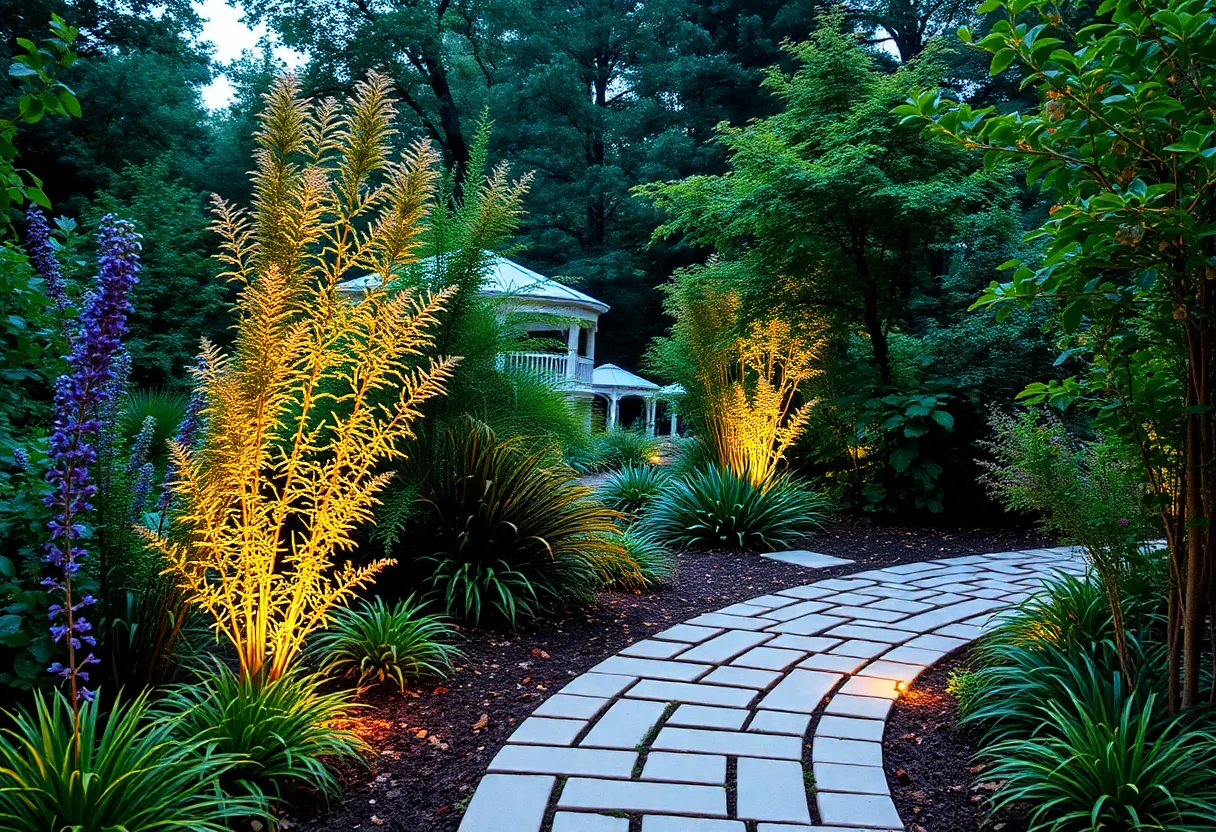
7 Tips for Creating a Captivating Garden Pathway in Your New York Backyard
Designing an effective garden pathway in your New York backyard demands deliberate planning around selection of materials, aesthetic considerations, and functional aspects. A thoughtfully constructed pathway significantly enhances visual appeal while providing practical navigation. The following seven strategies offer guidance to develop a pathway that complements your garden’s inherent character and environmental conditions.
1. Select Materials Optimized for New York’s Climate
New York experiences *dramatic climate variability*, with cold, snowy winters and humid, warm summers. Therefore, choosing *durable, climate-resistant materials* is essential. Materials must resist freeze-thaw cycles, moisture absorption, and erosion. *Permeable options* such as decomposed granite, gravel, and porous concrete pavers excel in these conditions. These materials facilitate drainage and groundwater recharge, reducing surface runoff and minimizing damage caused by frost heave. Selecting *weather-resilient materials* contributes to longevity and reduces maintenance over time.
2. Incorporate Curved Designs to Enhance Visual Interest
While straight pathways are simpler, they often lack *visual dynamism*. Introducing *gentle curves* creates a more organic flow, disguises straight lines, and guides visitors through the garden with *natural elegance*. Curves also help segment different areas, providing *serenity and intrigue*. When designing curved paths, keep the radii moderate—*sharp bends* can impede accessibility and ease of use. Properly crafted curves improve *aesthetic harmony* and *encourage exploration* within your landscape.
3. Use Native Plants Along the Pathway for Ecological Compatibility
Integrating native vegetation along your pathway not only supports local ecosystems but also *reduces maintenance*. Native plants like black-eyed Susans, purple coneflowers, and New York asters are *adapted to the climate*, making them more *resilient*, *pest-resistant*, and *low-maintenance*. These species provide *seasonal color and texture*, shifting with the seasons and enriching the garden’s overall aesthetic. Incorporating native flora aligns with sustainable practices and fosters biodiversity within your landscape.
4. Harmonize Material Choices with Garden Aesthetic
The *visual coherence* of your pathway depends on selecting materials that *complement the existing garden design*. For a *rustic look*, consider flagstone or reclaimed brick; these natural materials add *character* and *visual warmth*. Conversely, for a *modern landscape*, sleek concrete pavers or gravel can establish a *clean, minimalist appeal*. The *selection* should balance *aesthetic harmony*, *durability*, and *ease of maintenance*. Consistency in style enhances *overall aesthetic cohesion*.
5. Ensure Proper Drainage to Prevent Damage
Inadequate drainage leads to *water pooling*, *soil erosion*, and *pathway instability*. Incorporate *a slight slope*—generally 1-2%—away from structures to facilitate *water runoff*. Using *permeable materials* enhances infiltration. Installing a geotextile fabric beneath the pathway safeguards against weed growth and stabilizes the base. Routine *maintenance*, including clearing debris and inspecting slopes, is vital for *long-term structural integrity* and *performance*. Proper drainage management preserves pathway durability and prevents costly repairs.
6. Integrate Lighting for Enhanced Safety and Aesthetic Effect
Adding *lighting* extends usability into *twilight and evening hours*. Solar-powered fixtures are recommended for their *eco-friendliness*, ease of installation, and low operational costs. Place lights strategically—at regular intervals along the pathway—to *guide movement*, highlight landscaping features, and create *dynamic ambiance*. Lighting not only improves *safety by reducing tripping hazards* but also emphasizes the *visual appeal* of your garden after dark. Thoughtful lighting design contributes significantly to both *functionality and aesthetic atmosphere*.
7. Prioritize Accessibility and Ease of Maintenance
Design your pathway to *serve all users*, considering mobility challenges or accessibility needs. Use *smooth, level surfaces* that eliminate tripping hazards and accommodate wheelchairs or walkers. Select *materials* that are easy to *clean*—such as concrete or stabilized gravel—to minimize upkeep. Regular *inspection and prompt repairs* are critical to *extend lifespan*. Clearing debris, preventing weed intrusion, and resealing surfaces ensure the pathway remains *safe* and *attractive*, reducing ongoing labor and costs.
Conclusion
Implementing these *core principles* results in a *functional*, *aesthetically pleasing*, and *environmentally sustainable* garden pathway. In the context of New York’s unique climate and landscape, thoughtful material selection, design innovation, and maintenance practices are keys to *long-term success*. A well-designed pathway not only elevates your backyard’s *visual appeal* but also *improves accessibility and functionality*, making your outdoor space a true extension of your home environment.