
How to Create a Stunning Roof Garden in New York City: A Step-by-Step Guide for New York, NY
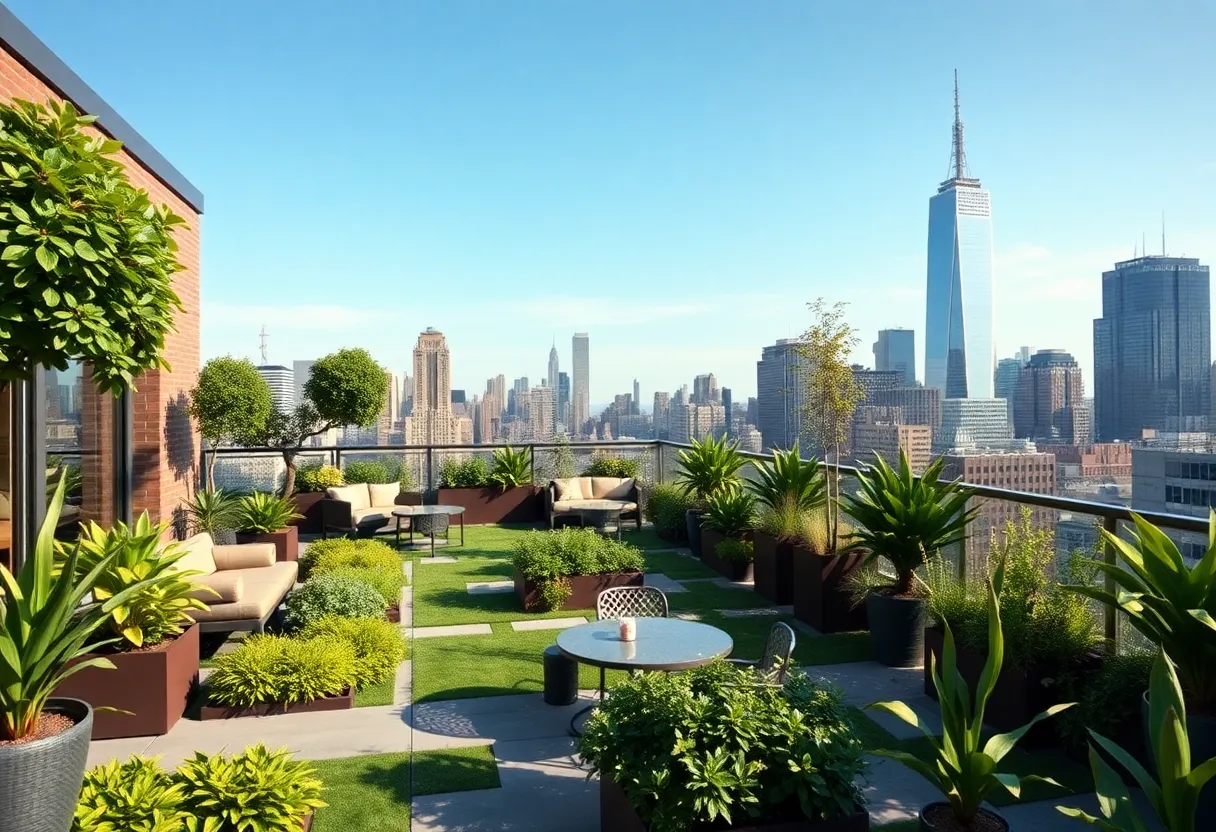
Establishing a contemporary rooftop garden in New York City offers a unique opportunity to incorporate greenery into dense urban surroundings. While space constraints and structural considerations pose challenges, a carefully planned roof garden can enhance aesthetic appeal, improve environmental sustainability, and provide a personal sanctuary amidst the city’s hustle. This comprehensive guide outlines the essential steps to create a vibrant, safe, and sustainable rooftop garden tailored to NYC’s distinctive environment.
1. Assess Structural Integrity and Capacity
Before planning any garden installation, evaluate your building’s structural load-bearing capacity. Rooftops in New York typically support between 30 to 50 pounds per square foot, depending on age and construction type. Overloading can compromise building safety, resulting in costly repairs or structural failure. Engage a licensed structural engineer to perform a thorough assessment. Determine whether your roof can handle additional weight from soil, planting containers, water, and furniture. A detailed analysis forms the foundation for design and material choices, ensuring safety and longevity of your rooftop garden.
2. Understand Legal and Regulatory Framework
Compliance with local regulations is paramount. New York City enforces laws such as Local Laws 92 and 94, encouraging green infrastructure, especially on commercial and public buildings. Existing structures may qualify for incentives like the Green Roof Tax Abatement Program, which reduces property taxes for green roof installations. Requirements include covering at least 50% of the roof with vegetation and meeting specific durability standards. Verify zoning regulations, building codes, and permits before commencement. Consulting with city agencies or professionals experienced in NYC’s green infrastructure policies ensures legal adherence and eligibility for benefits.
3. Develop a Thoughtful Garden Design Strategy
Designing a rooftop garden requires deliberate planning focused on functionality and aesthetics. Consider the following elements:
- Layout and Zones: Clearly define areas for seating, planting beds, pathways, and storage. Optimize space efficiency without sacrificing comfort.
- Windbreaks and Shielding: Install transparent screens or plant tall, dense vegetation to protect against strong winds, which are prevalent at higher elevations.
- Privacy and Screening: Use trellises, space-defining screens, or tall plants to create secluded sections, ensuring privacy from neighboring buildings or rooftops.
Smart layout enhances usability and creates an inviting environment capable of supporting diverse plant selections and personal outdoor furniture.
4. Select Appropriate and Resilient Plants
Choosing hardy, urban-adapted plants is critical in NYC’s climate and rooftop conditions. Prioritize species that are drought-resistant, tolerant of wind, and capable of thriving with minimal maintenance. Consider the following:
- Eastern Redbud (Cercis canadensis): Compact, budding with vibrant spring blossoms; suitable for partial sun locations.
- Black Tupelo (Nyssa sylvatica): Noted for stunning fall color; adaptable for container growth.
- Pitch Pine (Pinus rigida): Drought-tolerant native evergreen; provides year-round greenery and stabilizes soil in windy conditions.
- Japanese Maple (Acer palmatum): Elegant, slow-growing, thrives in partial shade, adds visual interest.
- Serviceberry (Amelanchier canadensis): Multi-season interest with flowers, edible berries, and fall foliage; supports urban wildlife.
Native and climate-adapted plants reduce water needs and maintenance, fostering a resilient garden ecosystem in an urban environment.
5. Implement an Efficient Irrigation and Water Management System
Effective watering is fundamental to plant health. Rooftop gardens face challenges like rapid water runoff and limited retention. Installing a drip irrigation system delivers water directly to plant roots, minimizing waste and evaporation. Incorporate a rainwater harvesting setup, such as collection barrels, to use natural rainfall, reducing municipal water consumption. Consider smart controllers that adapt watering schedules based on weather conditions, ensuring plants receive consistent moisture without overwatering. Proper irrigation minimizes stress and sustains garden vitality throughout the seasons.
6. Provide Adequate Drainage and Soil Management
Proper drainage is critical to prevent water accumulation that can weaken structural elements or lead to plant root diseases. Use lightweight, well-draining soil mixes designed for container and rooftop gardening. Layer materials such as gravel or specialized drainage mats below the soil surface to facilitate water flow away from sensitive areas. Regularly inspect drainage outlets for clogs and ensure that excess water can escape efficiently. Maintaining optimal drainage extends the lifespan of your garden and avoids costly repairs to the building structure.
7. Integrate Sustainability Practices
Adopting sustainable practices enhances your rooftop garden’s environmental benefits and longevity. Focus on:
- Composting: Convert organic waste into nutrient-rich compost, reducing landfill contributions while enriching soil naturally.
- Solar Energy: Install solar panels to generate clean energy for garden lighting or irrigation systems, decreasing overall energy use.
- Native Plant Policies: Emphasize local species requiring less irrigation and fertilizer, supporting local biodiversity and reducing resource consumption.
These methods optimize resource use, lower operational costs, and contribute to broader urban sustainability goals.
8. Maintain a Consistent Maintenance Routine
Every successful rooftop garden demands regular upkeep. Establish a plan that includes:
- Pruning and Trimming: Maintain plant shape and remove dead or diseased growth to promote health.
- Weeding: Extract invasive or competing weeds promptly to prevent resource competition.
- Soil Fertilization: Refresh soil nutrients with compost or organic amendments periodically.
- Pest and Disease Control: Monitor for pests, applying eco-friendly methods when necessary to avoid chemical contamination.
Consistent maintenance sustains aesthetic appeal and plant vitality, preventing deterioration over time.
9. Foster Community Engagement and Education
Sharing your rooftop garden serves as an inspiration and promotes community greening. Hosting workshops, garden tours, or collaborating with local initiatives helps raise awareness of urban sustainability. Educational outreach encourages others to develop their own rooftop spaces, multiplying environmental benefits and fostering a stronger sense of community involvement. Engaged neighbors and local organizations can also aid in ongoing maintenance and knowledge sharing, strengthening the urban greening movement.
10. Monitor and Optimize Performance
Continuous observation is key to long-term success. Regularly review plant health, soil conditions, and irrigation efficacy. Use this data to adjust watering schedules, prune as needed, or replace underperforming plants. Keep abreast of weather patterns and seasonal shifts, tailoring care routines accordingly. Adaptability ensures your garden remains resilient, thriving despite New York’s variable climate. Documenting successes and challenges refines your approach over time, leading to a more sustainable and inviting rooftop oasis.
Final Remarks
Creating a stunning rooftop garden in New York City requires strategic planning, adherence to safety and legal standards, and ongoing care. Focus on structural integrity, plant resilience, and sustainable practices to maximize benefits. Thoughtful design coupled with diligent maintenance transforms limited rooftop space into a lush, environmentally beneficial retreat. With patience and attention to detail, your rooftop can become a vibrant urban sanctuary while contributing positively to the city’s ecological footprint.