

10 Unique Gardening Styles to Transform Your New York Outdoor Space
Introduction
In New York City, outdoor spaces range from compact balconies to sprawling backyard gardens. Achieving a functional, aesthetically pleasing, and personalized garden involves deliberate planning. Understanding distinct gardening styles allows residents to tailor their outdoor environment to suit their lifestyle and space constraints. This guide explores ten innovative gardening approaches, each offering unique advantages for transforming urban outdoor areas into lush retreats.
1. Vertical Gardens
Maximizing Limited Space
Vertical gardens are tailored for urban environments where ground space is at a premium. They utilize wall-mounted planters, trellises, and arbors designed to support climbing and trailing plants. This approach enables the cultivation of a variety of species—ranging from flowering climbers like roses and clematis to edible plants like beans and herbs.
Benefits and Applications
- Optimizes vertical surfaces for greenery.
- Provides privacy and sound barriers.
- Creates visual interest and lush backgrounds.
- Softens hard architectural features and fences.
Implementation Tips
- Use weather-resistant materials for planters.
- Ensure proper drainage to prevent waterlogging.
- Incorporate irrigation solutions for maintenance ease.
2. Container Gardening
Flexibility and Mobility
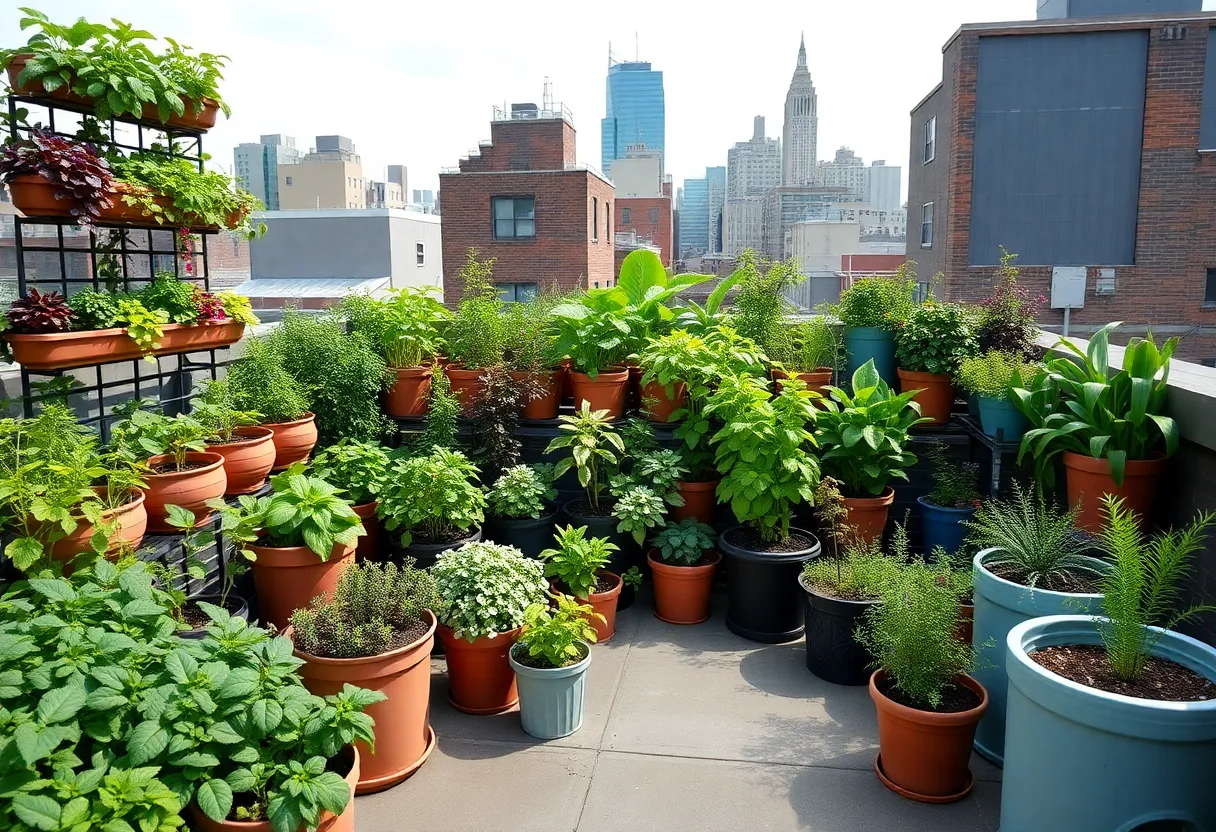
In densely populated areas, container gardening offers a strategic approach, allowing gardeners to grow plants in portable pots. Containers can be customized in size, shape, and material, accommodating everything from flowers to fresh vegetables.
Advantages and Considerations
- Easy to move plants to optimize sunlight exposure.
- Facilitates seasonal adjustments and plant rotations.
- Enables control over soil quality and drainage.
- Ideal for rooftop and balcony setups.
Design Essentials
- Combine different sizes and heights for visual interest.
- Select containers suited for the specific plants’ water and light needs.
- Use high-quality potting mix to promote plant health.
3. Modern Minimalist Gardens
Focus on Form and Function
Modern minimalist gardens emphasize simplicity, clean lines, and a restrained palette. Materials such as concrete, steel, and glass form the foundation of a sleek aesthetic. The plant selection focuses on architectural forms—like grasses, succulents, and sculptural foliage—to complement the pared-down design.
Design Principles
- Use geometric layouts and straight edges.
- Incorporate monochromatic or limited color schemes.
- Maintain minimal clutter; every element has purpose.
Plant Selection and Materials
- Choose plants with strong structures—like Feather Reed Grass or Japanese Pieris.
- Utilize sleek planters and accessories to reinforce modernity.
4. Farmhouse Gardens
Rustic Charm and Self-Sufficiency
The farmhouse style evokes traditional rural aesthetics. It features informal layouts, weathered materials, and a focus on edible gardens and pollinator-friendly planting. This approach fosters a relaxed, timeless outdoor environment.
Implementation Strategy
- Incorporate wildflower borders and vegetable patches.
- Use vintage or distressed furniture for seating and accents.
- Opt for muted, heritage color palettes—cream, blush, sage greens.
Benefits
- Encourages sustainable practices and home-grown produce.
- Creates a cozy, welcoming outdoor setting.
- Integrates naturally into urban landscapes.
5. Mediterranean-Inspired Gardens
Sun-Drenched Aesthetic
Drawing inspiration from coastal regions, Mediterranean gardens emphasize warm colors and drought-tolerant plants. The style employs terracotta pots, fragrant herbs, and textured surfaces to evoke a sunlit, relaxed ambiance.
Key Features
- Use of lavender, rosemary, and olive trees.
- Stone pathways and mosaic accents.
- Wrought iron furniture and decorative elements.
Design Tips
- Prioritize well-draining soil to support drought-resistant species.
- Implement shade structures to protect delicate plants.
- Create cozy sitting areas amid lush planting.
6. Eclectic Gardens
Blending Styles for Unique Expression
The eclectic approach offers freedom to mix different design elements and influences. It combines traditional, modern, and reclaimed materials, resulting in vibrant, personalized spaces that reflect diverse cultural tastes.
Design Elements
- Combine colorful planting with repurposed furniture.
- Layer textures and patterns for visual depth.
- Integrate quirky decorative accents and art pieces.
Advantages
- Encourages creativity and experimentation.
- Adapts well to various small and large spaces.
- Reflects individual personality and urban diversity.
7. Zen Gardens
Promoting Calm and Reflection
Zen gardens derive from Japanese tradition, emphasizing simplicity, natural materials, and mindfulness. They typically feature raked gravel or sand, stones, and sparse planting—fostering tranquility amidst urban noise.
Core Components
- Carefully arranged stones and gravel patterns.
- Minimalistic, low-maintenance plantings.
- Quiet seating or meditation areas.
Implementation Tips
- Maintain raked patterns regularly for aesthetic clarity.
- Use muted color schemes and natural textures.
8. Balcony Micro-Gardens
Creating Green Retreats in Small Spaces
Balcony micro-gardens cater to city dwellers with minimal outdoor area, making urban gardening accessible. Vertical planters, hanging baskets, and compact containers maximize plant varieties within tight spaces.
Strategies for Success
- Use wall-mounted or tiered plant systems.
- Select plants suited for limited sunlight and wind exposure.
- Prioritize herbs and small vegetables for continuous harvests.
Design Considerations
- Choose lightweight materials for ease of rearrangement.
- Incorporate seating or a small table to enhance usability.
9. Knot Gardens
Historical Formality with Aromatic Herbs
Knot gardens feature intricate, geometric patterns created with low hedges or aromatic herbs. Their symmetrical design adds a touch of elegance, suitable for medium to large urban plots.
Characteristic Features
- Interwoven patterns of herbs or boxwood.
- Defined borders and central motifs.
- Including aromatic or culinary plants for multi-functionality.
Design Tips
- Maintain precise trimming for geometric sharpness.
- Select fragrant herbs like thyme, lavender, and mint.
10. Colonial Revival Gardens
Symmetry and Classical Elegance
Inspired by early American garden design, Colonial Revival gardens emphasize balanced layouts, straight pathways, and rectangular beds. They integrate ornamental plants with edible crops for a practical and aesthetic appeal.
Design Highlights
- Symmetric plantings around central focal points.
- Enclosed by low fences or hedges.
- Use of perennial flowers, fruit bushes, and vegetable beds.
Application Strategies
- Incorporate orderly pathways for easy access.
- Maintain a balanced mix of ornamentals and edibles.
Conclusion
Each gardening style offers unique opportunities to optimize your outdoor space, regardless of size. Consider the climatic conditions, your lifestyle, and your aesthetic preferences. Selecting an appropriate style ensures you create a sustainable, functional, and visually compelling outdoor environment. Whether you prefer the sleek lines of a modern garden or the rustic charm of a farmhouse, embracing a defined aesthetic can significantly enhance your urban landscape in New York.