

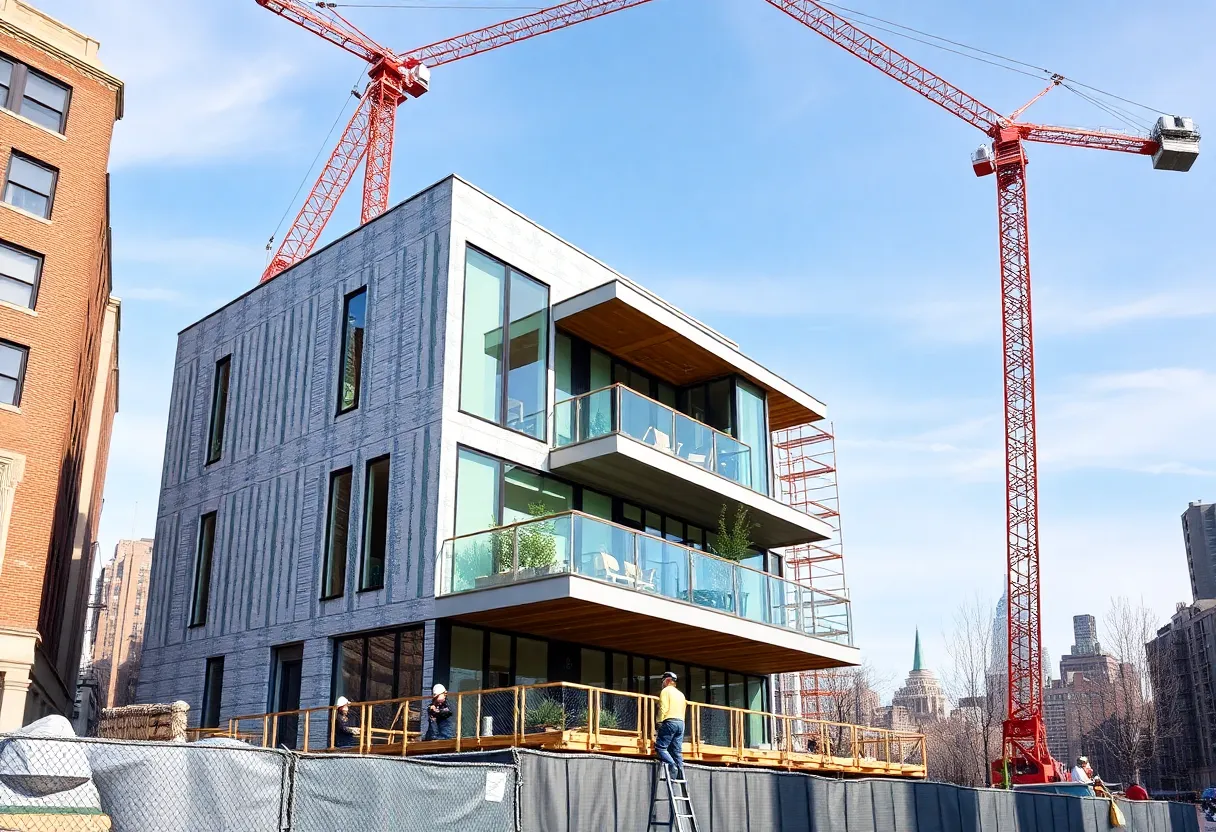
How to Discover the Best Home Building Practices in New York City for Your Next Project
Embarking on a home building project within New York City demands meticulous planning and adherence to a dynamic set of regulations and standards. With a landscape transformed by diverse zoning laws, sustainability initiatives, and evolving construction technologies, identifying reliable building practices is essential for success. This guide offers a comprehensive breakdown of methods to uncover the most effective and compliant home-building practices tailored specifically for NYC’s unique environment.
Understand Local Regulations and Building Codes
NYC Building and Zoning Laws
NYC has one of the most complex systems of building codes and zoning regulations nationwide. The New York City Building Code (NYCBC) sets forth mandatory standards for construction, including structural safety, fire prevention, and accessibility requirements. Simultaneously, zoning laws influence land use, density, and the permissible scope of residential projects.
To identify best practices, developers and contractors must stay updated with the latest amendments, especially those targeting sustainability and safety innovations. Regular consultation with local regulatory agencies and referencing oficial NYC Planning documents is crucial. This proactive approach ensures compliance, reduces project delays, and minimizes costly legal issues.
Engage Certified Professionals
Work with licensed architects, engineers, and contractors familiar with NYC’s codes. Certification and experience in local regulations are indicators of adherence to best practices. Find professionals with a proven track record of successful projects in the city, as they can provide invaluable insights into navigating complex approval processes effectively.
Prioritize Sustainability and Green Building Standards
LEED Certification and NYC Initiatives
New York City aggressively promotes sustainable construction through programs like LEED (Leadership in Energy and Environmental Design). Incorporating green building practices reduces long-term costs, improves tenant health, and aligns with municipal environmental goals.
Discover reputable green building practices such as passive design strategies, energy-efficient insulation, and smart systems integration. Partnering with eco-conscious architects and contractors who have proven LEED or similar certifications ensures installations are environmentally responsible and socially beneficial.
Use of Innovative and Eco-Friendly Materials
Opt for high-performance materials that optimize energy efficiency and durability. Materials such as recycled steel, bamboo flooring, low-VOC paints, and energy-efficient windows are staples of best practices. These choices reduce operational costs and improve indoor air quality, aligning with NYC’s push towards healthier, sustainable living spaces.
Leverage Advanced Construction Technologies
BIM and Prefabrication
Building Information Modeling (BIM) technology enables precise planning, clash detection, and efficient communication among project teams. It minimizes errors and waste, ultimately creating cost-effective and faster builds. Similarly, prefabricated components streamline construction timelines and improve quality control.
Identify contractors who utilize these technologies, as they demonstrate a commitment to incorporating cutting-edge practices that enhance quality, safety, and adherence to timelines.
Modular and 3D Printing Applications
Innovative methods like modular construction are gaining ground in NYC, especially for projects with tight constraints. Modular units are manufactured off-site under controlled conditions, leading to faster completion and reduced disruption.
3D printing, though still emerging, offers potential for creating complex structural components efficiently. Stay informed about local pioneers adopting these methods for best practices.
Implement Robust Project Planning and Management
Detailed Design and Permitting Processes
Thorough planning minimizes unforeseen issues during construction. Engage in detailed design phases early, integrating sustainable, technological, and regulatory considerations. Secure all necessary permits before breaking ground to avoid delays or legal complications.
Weekly project reviews, effective communication channels, and contingency planning are essential to maintain schedule and budget adherence.
Use of Project Management Software
Advanced software platforms enable real-time tracking of progress, budgets, and compliance checklists. They facilitate transparent collaboration among stakeholders and ensure adherence to timelines and standards.
Establish Relationships with Local Authorities and Industry Experts
Attend City Review Sessions and Workshops
Participate in public hearings and workshops hosted by NYC departments. These forums provide insights into upcoming regulatory changes, best practices being evaluated, and funding opportunities for innovative projects.
Network with Industry Peers
Build connections with local builders, suppliers, and consultants committed to best practices. Peer exchanges often reveal practical insights into recent technological advances, effective material sources, and innovative approaches specific to NYC’s climate and urban environment.
Incorporate Safety and Resilience Measures
Address Climate and Urban Hazards
Design for resilience against flooding, storms, and other natural hazards characteristic of NYC. Utilizing elevated foundations, flood barriers, and reinforced structural elements enhances building longevity.
Fire Safety and Accessibility
Implement a comprehensive fire safety plan that includes sprinkler systems, fire-resistant materials, and accessible escape routes. Complying with NYC’s fire and ADA regulations not only is essential for safety but also aligns with highest industry standards.
Regularly Evaluate and Update Building Practices
Stay Abreast of Industry Trends
Building practices evolve with technological advancements and regulatory updates. Continuous learning and adaptation are fundamental in maintaining best practices.
Post-Construction Monitoring
Implement systems for ongoing performance assessment. Energy audits, maintenance reviews, and occupant feedback help refine operational practices, ensuring durability and efficiency over time.
Successfully discovering and applying the best home building practices in New York City requires diligent research, strategic partnerships, and a commitment to innovation. Adhering to strict code compliance, embracing sustainability, leveraging new technologies, and fostering relationships with regulators and industry leaders craft a resilient foundation for any project. By doing so, builders can deliver high-quality, efficient, and safe homes tailored for NYC’s complex urban fabric.