

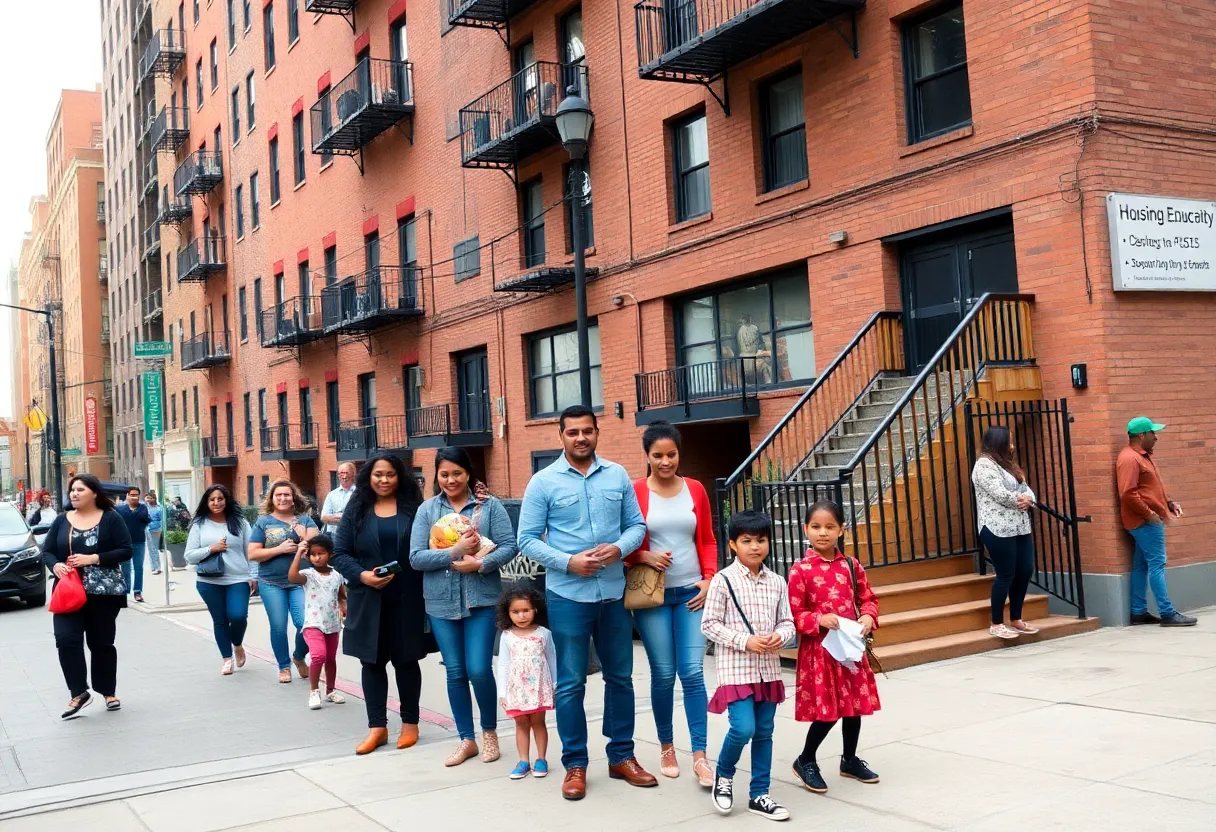
New York City, January 11, 2026
Governor Kathy Hochul is addressing affordability concerns in NYC with new initiatives aimed at easing financial burdens, including free child care for two-year-olds, expanding pre-kindergarten access, and investing in affordable housing. While these proposals are designed to enhance community support, the challenge remains in funding them without additional tax pressure on residents. The effectiveness of these measures will depend on their sustainability and financing strategies.
New York City, NY
Governor Hochul’s Script for Affordability: Can It Work?
Exploring the Financial Roadmap for New Yorkers
This week, Governor Kathy Hochul is bringing attention to a pressing concern for many city residents: affordability. Amid rising living costs in New York City, her proposal outlines several initiatives geared toward easing financial burdens for families and individuals alike. However, as these proposals come to light, the critical question of how they will be funded—without adding strain on taxpayers—remains a focal point of discussion.
Governor Hochul’s commitment to affordability involves three significant initiatives: free child care for two-year-olds, a plan to expand universal pre-kindergarten, and investments in affordable housing. Each of these programs is crafted to enhance access to critical services and support economic growth, potentially revitalizing both community engagement and entrepreneurial innovations in the region.
Key Initiatives to Enhance Affordability
Governor Hochul’s recent initiatives target some of the most pressing issues impacting New Yorkers today. Here’s a brief overview of each proposal:
- Free Child Care for 2-Year-Olds: Scheduled to launch in high-need areas, this new program aims to serve about 2,000 children by this fall. The funding will come from existing state revenues, striving to avoid tax hikes, although long-term financial implications remain to be clarified.
- Universal Pre-K Expansion: This proposal seeks to broaden the access to universal pre-kindergarten across the state, with an expected investment of $1.7 billion aimed for the 2028-2029 school year.
- Affordable Housing Initiatives: Aiming to combat the housing crisis, this initiative includes a $100 million Pro-Housing Supply Fund and a monumental $1 billion investment in affordable housing, designed to create and maintain residences across New York City.
Funding Strategies and Concerns
While these initiatives symbolize a step towards greater affordability, discussions about funding mechanisms inevitably arise. Governor Hochul has assured residents that the initial phases will be financed through current state revenues, steering clear of immediate tax increases. Nevertheless, the long-range financial sustainability of these proposals is yet to be determined and could influence their viability.
Some experts argue that maintaining fiscal responsibility without burdening taxpayers is crucial, suggesting that efficiency in resource allocation and a keen understanding of economic impacts is necessary for the success of these programs. It’s a balancing act that requires foresight and careful planning.
Impacts on Local Economy and Residents
The proposed affordability measures are not just financial adjustments; they are also pivotal in fostering a more robust local economy. By investing in child care and education, families may find it easier to join the workforce, which increases overall productivity. Additionally, enhancing housing availability can stimulate both residential and small-business local economies, creating spaces where entrepreneurs can flourish.
As New York City faces unique challenges regarding affordability, the community will need to remain engaged and informed. Understanding how these programs evolve will be vital in ensuring their benefits extend widely among the populace.
Monitoring Progress and Encouraging Engagement
As these initiatives unfold, it will be necessary for city residents, businesses, and policymakers to collaborate closely. Monitoring the impact of these affordability measures on everyday life is key. Open lines of communication between the government and constituents can allow for adjustments as needed, ensuring both immediate relief and long-term benefits.
Encouraging local involvement and support for small businesses will also contribute to a resilient economy that can withstand future challenges while still fostering innovation.
Conclusion
Governor Hochul’s affordability initiatives represent a significant effort to address the cost of living in New York City. With strategic funding through state revenues and a focus on accessible resources for families, these proposals have the potential to reshape the local economy positively. As discussions continue about financial sustainability, it will be imperative for residents to stay engaged in supporting these community-focused efforts, fostering a vibrant economic atmosphere that celebrates resilience and innovation.
Frequently Asked Questions (FAQ)
What is the new free child care program for 2-year-olds?
The program offers free child care for 2-year-olds in high-need areas, aiming to serve approximately 2,000 children by this fall. The initial funding will come from existing state revenues, avoiding tax hikes, though long-term costs remain uncertain.
How is the universal pre-kindergarten expansion being funded?
The expansion is proposed to be funded with an anticipated investment of $1.7 billion in the near term, with plans to expand universal pre-kindergarten statewide by the 2028-2029 school year.
What is the Pro-Housing Supply Fund?
The Pro-Housing Supply Fund is a $100 million initiative to support infrastructure projects necessary for new housing developments, aiming to address the housing crisis and make New York more affordable.
How is the affordable housing initiative in New York City being funded?
The initiative includes a $1 billion investment in affordable housing throughout New York City, aiming to create and preserve affordable homes.
What concerns have been raised about the funding of these programs?
While the initiatives aim to make New York more affordable, concerns have been raised about their funding. Governor Hochul has committed to using existing state revenues for the initial phases, but the long-term financial sustainability of these programs remains a topic of discussion.
Key Features of the Affordability Initiatives
| Initiative | Description | Funding Source | Implementation Timeline |
|---|---|---|---|
| Free Child Care for 2-Year-Olds | Provides free child care for 2-year-olds in high-need areas, aiming to serve approximately 2,000 children by this fall. | Existing state revenues | Fall 2026 |
| Universal Pre-K Expansion | Expands universal pre-kindergarten statewide by the 2028-2029 school year. | Anticipated investment of $1.7 billion in the near term | 2028-2029 school year |
| Pro-Housing Supply Fund | Supports infrastructure projects necessary for new housing developments to address the housing crisis. | $100 million | Ongoing |
| Affordable Housing Initiative in NYC | Invests in affordable housing throughout New York City to create and preserve affordable homes. | $1 billion | Ongoing |
Now Happening on X
- @bern_hogan (Jan 8, 2026): Reports on Governor Hochul’s plan to create a new Office of Childcare and Early Education, expanding universal pre-K to 100,000 more kids, including the 2-year-old proposal and subsidies, with pilot programs outside NYC and unclear overall budget details. View on X
- @anarie_wit (Jan 8, 2026): Details Governor Hochul and Mamdani’s multiyear plan to expand free and subsidized child care statewide by the 2028-29 school year, fully fund pre-K and 3K programs, launch a new ‘2 Care’ initiative, and increase vouchers by $1.2 billion. View on X
- @david_sivella (Jan 8, 2026): Criticizes the childcare expansion as a PR stunt for Hochul’s re-election, noting a proposed $73 million in the first year and more in the second as infrastructure allows further enrollment. View on X
- @DOGEai_tx (Jan 8, 2026): Slams Hochul’s affordable care plan as a taxpayer handout expanding government control, attributing rising childcare costs since 2000 to overregulation rather than market forces. View on X
- @BforNafter (Jan 8, 2026): Accuses Hochul of selling out upstate residents by forcing them to fund a $2.4 billion universal childcare program primarily for NYC’s two-year-olds, influenced by DSA policies. View on X
- @culsch (Jan 10, 2026): Warns of high tax increases on New Yorkers due to Hochul and Mamdani’s billions in spending on a ‘free’ childcare program, linking to a critical article. View on X
- @VPurplesunv (Jan 9, 2026): Shares news of Hochul and Mamdani announcing billions for a ‘free’ childcare program, highlighting it as a major development in New York. View on X
- @BonnieESpeck (Jan 8, 2026): Discusses concerns over the per-child cost in Hochul’s $4.5 billion childcare and pre-K investment, questioning taxpayer efficiency and referencing NY’s assistance programs. View on X
Deeper Dive: News & Info About This Topic
HERE Resources
Assessment of Mamdani’s Initial Policy Actions in NYC
New York City Business Leaders Oppose Proposed Corporate Tax Increase
Insurance Industry Raises Concerns Over New Health Mandates
New York City Holds Hearings to Address Abusive Landlord Practices
New York City Tackles Hidden Junk Fees and Subscription Traps
New York City Implements Bus Fare Increase Amid Free Bus Initiative
New York City to Launch Mayor-Elect Zohran Mamdani’s Economic Reforms
Summit Properties USA Proposes $451 Million Acquisition for NYC Rental Buildings
New York City’s $96 Billion Judicial System Overhaul Challenges
Ken Griffin Completes Chicago Real Estate Divestment