
How to Choose the Perfect Trees for Your New York City Landscaping Needs
Introduction
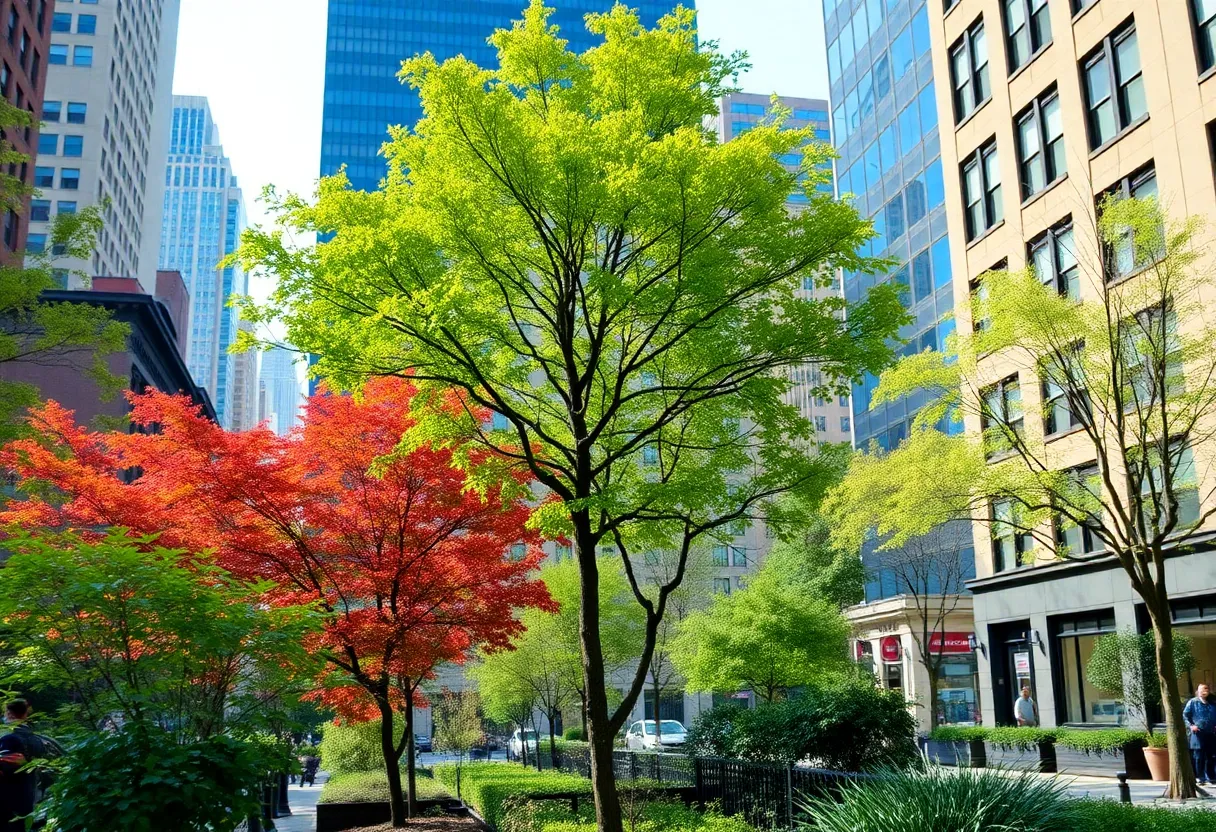
Selecting appropriate trees for a landscaping project in New York City requires thoughtful planning. Urban environments introduce unique challenges such as limited space, pollution, soil compaction, and infrastructure interference. The goal is to choose species that are resilient, adaptable, and suited to city conditions, ensuring sustainable growth and aesthetic appeal. Proper selection enhances not only the visual landscape but also improves air quality, supports biodiversity, and provides shade and cooling benefits in densely populated areas.
Key Considerations for Selecting Urban Trees
Effective urban tree selection hinges on understanding and addressing several critical factors:
Space Availability
Accurately evaluate the size of the planting site — including width, depth, and overhead clearance. Consider the mature height and spread of trees to prevent conflicts with utility lines, building structures, and sidewalks. For tight spaces, select dwarf or columnar varieties that reach appropriate sizes without overextending existing infrastructure.
Soil Conditions
Urban soils often suffer from compaction, nutrient deficiency, and poor drainage. Trees must be capable of thriving in such environments. Use soil amendments and root barriers where necessary. Opt for species known to tolerate poor, alkaline, or compacted soils.
Air Quality and Pollution Tolerance
Trees in city environments help reduce air pollutants like nitrogen oxides, ozone, and particulate matter. Prioritize species with high pollutant absorption capacities. Their leaves and bark can trap dust and provide significant health benefits for residents.
Maintenance and Longevity
Choose low-maintenance trees with strong structural integrity to minimize pruning, disease treatment, and risk of falling limbs. Select drought-tolerant species to reduce irrigation needs, especially during hot summers.
Aesthetics and Seasonal Interest
Incorporate trees that provide multi-season visual interest—such as flowering, vibrant fall foliage, or distinctive bark textures. This elevates the visual appeal of urban streetscapes and recreational spaces.
Top Tree Species for New York City Landscapes
Based on resilience, adaptability, and beauty, these species are highly recommended:
1. London Planetree (Platanus × acerifolia)
This is New York City’s most prevalent street tree, with over 80,000 specimens urban-wide. Recognizable by its distinctive camouflage bark and large, hand-shaped leaves, it can grow to 70–100 feet tall. Its fast growth and tolerance for pollution and poor soils make it ideal for urban street corridors.
2. Honeylocust (Gleditsia triacanthos)
Second in popularity, especially in Manhattan, the Honeylocust features delicate, feathery foliage and a broad, rounded canopy. Reaching heights of 30–70 feet, it tolerates salt, drought, and pollution, making it suitable for streets and parks alike. Its light shade allows grasses and plants beneath to flourish.
3. Red Maple (Acer rubrum)
Known for vivid red fall foliage, the Red Maple is a versatile native species. It adapts effectively to various soil types, from dry to wet and full sun to light shade. Growing up to 50 feet, it offers visual interest across seasons and has ecological benefits, supporting local wildlife.
4. Eastern Red Cedar (Juniperus virginiana)
This medium-sized evergreen provides year-round greenery. Its pyramidal shape and blue-green foliage tolerate poor, dry soils and salt spray. The berries attract birds and wildlife, adding biodiversity to city landscapes. Its hardiness and low-maintenance nature make it an excellent urban choice.
5. Serviceberry (Amelanchier canadensis)
A small tree or large shrub, Serviceberry blooms with early spring flowers, offers edible berries, and showcases vibrant fall color. It supports pollinators and bird species, thriving in various soil and light conditions. Its seasonal interest enhances urban gardens and parks.
6. Black Tupelo (Nyssa sylvatica)
With stunning deep red to purple fall foliage, the Black Tupelo is adaptable to a range of soils and shade conditions. It tolerates wet and dry soils, and its hardiness to salt makes it suitable near roads and salt-affected areas. Its fruits support local bird populations.
7. Magnolia ‘Elizabeth’ (Magnolia acuminata × M. denudata)
This hybrid cultivar offers large, fragrant, creamy-yellow flowers. Approved for planting in city streets and parks, it adds elegance to urban settings. Its moderate size and ornamental value support aesthetic and ecological goals.
8. Kousa Dogwood (Cornus kousa)
A tough and slow-growing tree, Kousa Dogwood provides multi-seasonal interest with showy flowers, berries, and attractive bark. Preferring sun to part shade, it’s well-suited for limited spaces and provides habitat for pollinators and fruit-eating birds.
Additional Tips for Urban Tree Selection
For optimal results, adhere to these essential practices:
Consult Local Guidelines
Always verify with urban forestry departments or local zoning regulations before planting. Some species may be restricted or preferred in certain areas.
Favor Native Species
Native trees are better adapted to the local climate and soil, and they support indigenous wildlife. They tend to require less care and are more resistant to pests.
Plan for Maintenance
Incorporate regular pruning, watering, and monitoring into your landscape management plan. Proper upkeep ensures tree health and safety.
Be Cautious About Invasive Species
Avoid planting invasive species that could threaten local ecosystems. Focus on non-invasive, resilient native and adaptable species.
Conclusion
Choosing the right trees for New York City landscapes involves understanding urban constraints and selecting species that combine resilience, adaptability, and aesthetic appeal. Prioritizing native, tolerant, and low-maintenance trees will create vibrant, sustainable environments that enhance urban life, support biodiversity**, and provide long-term value. Thoughtful selection and proper maintenance transform cityscapes into lively, green refuges amid a bustling metropolis.