
Syracuse, New York, January 3, 2026
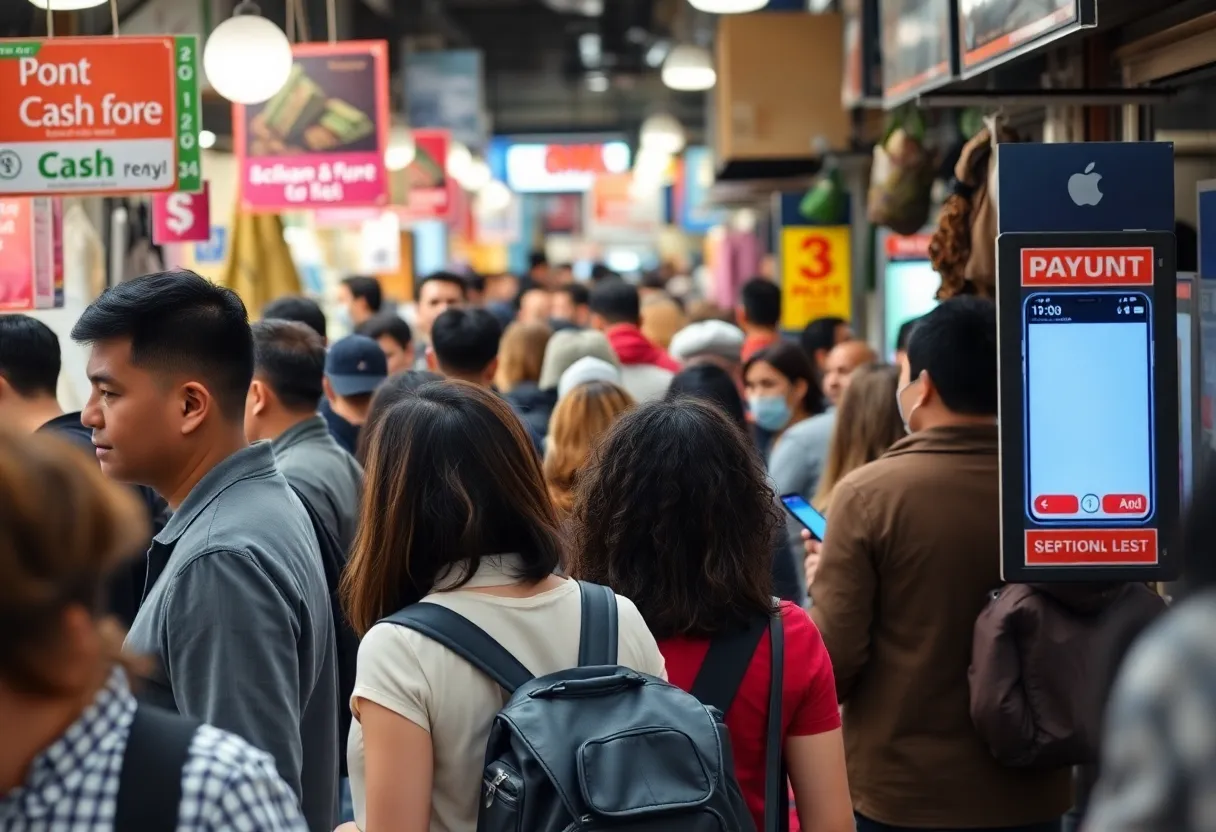
A new law in New York requires businesses to accept cash payments in addition to digital transactions, prohibiting entirely cashless operations. This legislation aims to ensure inclusivity for all customers, regardless of their banking access. Local venues such as the New York State Fair and JMA Wireless Dome face challenges in adapting their operations to comply with this law, balancing customer experience with regulatory compliance. This move demonstrates New York’s commitment to consumer protection and economic accessibility.
Syracuse, New York – A new state law has been enacted that mandates businesses must accept cash payments alongside digital transactions, effectively prohibiting entirely cashless operations. This legislation aims to enhance inclusivity, ensuring that all customers, regardless of their financial situation or access to electronic payment methods, can engage in commerce.
As local venues like the New York State Fair, the JMA Wireless Dome, and the Empower Federal Credit Union Amphitheater begin to navigate this change, questions arise about the operational adjustments required to accommodate cash transactions. These venues have traditionally embraced cashless systems for their efficiency and security, making the transition potentially challenging. They now face the dilemma of balancing customer experience with compliance to the new law, which signifies New York’s ongoing commitment to consumer protection.
The benefits of such consumer-focused legislation are clear; it demonstrates a legislative commitment to provide all residents equitable access to goods and services. However, the operational impacts on various businesses, particularly those relying heavily on cashless transactions, cannot be overlooked. Resilience and adaptability are traits often found in small businesses throughout New York, and their response to this new requirement will be critical in shaping their customer interactions moving forward.
### Analyzing the Cashless Law’s Impact
The introduction of this law adds complexity to business operations but also opens a dialogue about economic accessibility. By ensuring that cash transactions remain viable, New York is fostering an environment of equality where everyone can participate in the economy, regardless of banking access.
#### The Advantages of Cash Transactions
While cashless systems offer efficiency, the availability of cash payments can significantly improve customer service for those who may not have easy access to electronic payment methods. By accommodating diverse payment preferences, businesses can enhance customer satisfaction and loyalty. This focus on consumer choice may ultimately lead to improved business performance in the long term.
#### Operational Changes Ahead
Businesses that predominantly rely on cashless payments will likely need to revise their operational protocols. This could involve hiring additional staff to manage cash transactions, implementing new training programs or adjusting the speed of service to accommodate both payment methods. The ability of these venues to adapt swiftly could determine their success in retaining customer satisfaction during the transition period.
### Community Concerns
Concerns regarding the economic implications of this law have emerged among local entrepreneurs and business leaders. While many support the intent behind the legislation, there is a shared worry about the cost burden that could accompany the necessary adaptations. Engagement from the community, fostering a dialogue around these changes, will be essential in informing policymakers as the law rolls out.
### Conclusion
As New York State embarks on this new chapter of consumer payment options, businesses will need to navigate the dual requirements of cash and cashless transactions. The adaptability of local venues and small businesses is pivotal, showcasing their resilience in the face of regulatory changes. As citizens of Syracuse and beyond, supporting local businesses during this transition is crucial for maintaining a vibrant and inclusive economy.
### Frequently Asked Questions (FAQ)
What does the new New York State law entail?
The law prohibits businesses from operating entirely cashless, requiring them to accept cash payments alongside digital transactions.
Which venues are affected by this law?
Venues such as the New York State Fair, the JMA Wireless Dome, and the Empower Federal Credit Union Amphitheater are affected by this law.
Why was this law enacted?
The law was enacted to ensure that all customers, regardless of their access to electronic payment methods, can make purchases, promoting inclusivity and fairness.
| Feature | Description |
|---|---|
| Cash Payment Requirement | Businesses must accept cash payments alongside digital transactions. |
| Affected Venues | Venues like the New York State Fair, JMA Wireless Dome, and Empower Federal Credit Union Amphitheater are impacted. |
| Purpose | To ensure all customers have equal access to goods and services, regardless of their access to electronic payment methods. |
Now Happening on X
- @deafgeoff (Jan 2, 2026): Discusses the new NY law banning fully cashless businesses and questions its implications for the NYS Fair, JMA Dome, and Syracuse amphitheater. View on X
- @syracusedotcom (Jan 2, 2026): Shares news on the new NY law prohibiting fully cashless operations and its potential impact on the NYS Fair, Dome, and amphitheater. View on X
- @newyorkupstate (Jan 2, 2026): Highlights the new NY law banning fully cashless businesses, focusing on effects for the NYS Fair, Dome, and amphitheater. View on X
- @7NewsWatertown (Dec 31, 2025): Reports on New York legislation that prohibits businesses from going fully cashless. View on X
- @davelucas (Jan 1, 2026): Covers the new New York legislation prohibiting businesses from operating fully cashless. View on X
- @NNYLiberty (Jan 2, 2026): Notes the New York legislation that bans businesses from going fully cashless. View on X
- @wcax (Dec 31, 2025): Announces NY legislation prohibiting businesses from going fully cashless. View on X
Deeper Dive: News & Info About This Topic
HERE Resources
LeadSensei Empowers Small Businesses in New York
NYC Council Advances Housing and Airbnb Legislation
Mayor-elect Zohran Mamdani Engages with Business Leaders on Housing Crisis
Conflict Over Grocery Stores in New York City
Retail Resilience: How New York Shoppers Are Keeping the Economy Afloat
New York State Mandates Cash Payments for Businesses
Rising Complaints at NYCHA Reflect Public Housing Struggles
New York Proposes Rounding Cash Transactions with New Legislation
Adrienne Harris Resigns as Superintendent of NYDFS
New York City’s Nonprofit Sector Faces Funding Crisis