

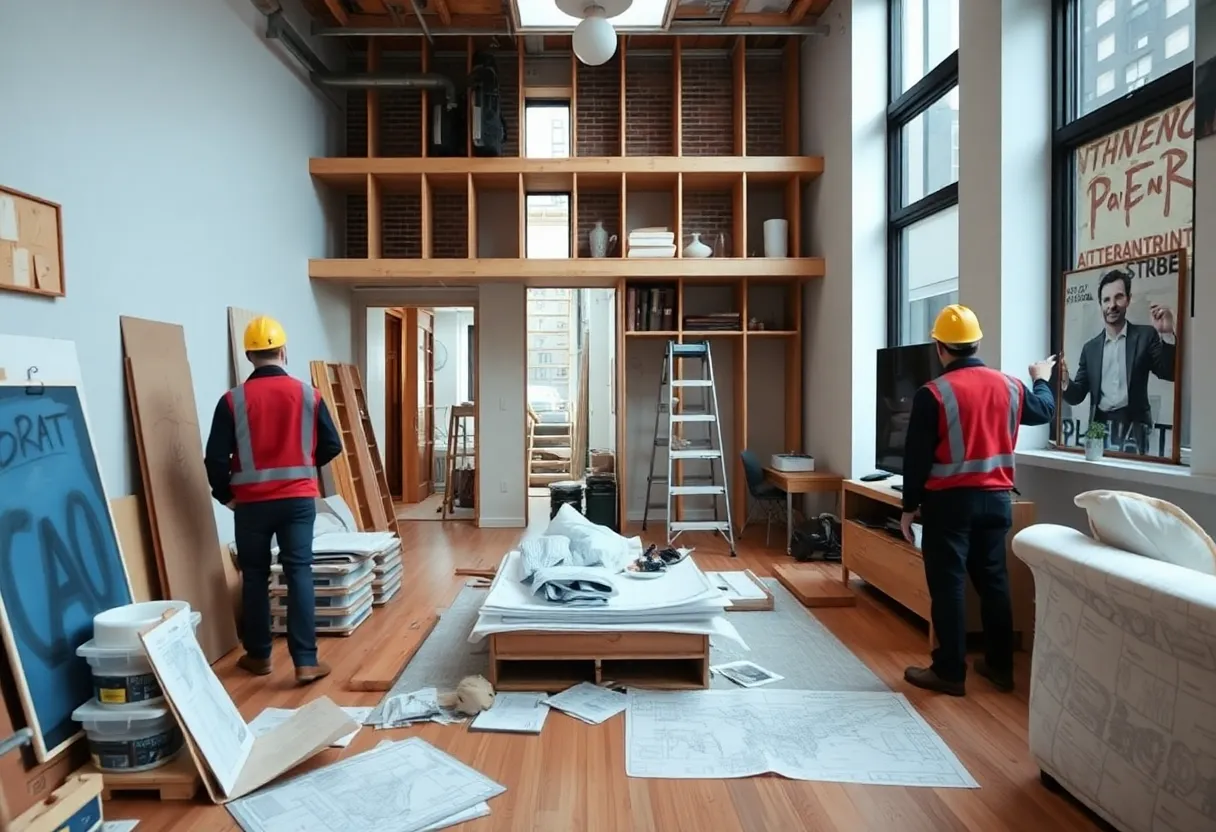
What Are the Essential Elements for a Successful Home Renovation in New York City?
Strategic Planning and Clear Project Objectives
Successful home renovation begins with comprehensive planning. In New York City, where space is often limited, it’s critical to define precise goals for the project. Determine which areas require updates or redesigns and establish specific objectives, whether improving functionality, aesthetics, or value.
Set a realistic budget early in the process. NYC renovations can encounter hidden costs, so allocate a contingency fund of at least 10-15%. Clearly outline scope and priorities to prevent scope creep and ensure alignment with financial capacity.
Develop detailed design plans, including floor plans, material selections, and finishes. Using professional architects or designers can elevate project quality and ensure adherence to city codes.
Understanding Local Building Codes and Regulations
New York City enforces strict building codes and permits for renovations. Securing the necessary approvals is essential to avoid fines, delays, or legal complications. Familiarize yourself with regulations set by the NYC Department of Buildings (DOB).
Permits are typically required for structural alterations, electrical systems, plumbing, or demolition. An experienced contractor can facilitate permit applications and ensure compliance with zoning laws, fire codes, or historic preservation rules if applicable.
Failure to adhere to regulations can halt construction and incur costly penalties, so proactive compliance is a foundational element of success.
Selecting Qualified Professionals
Expertise Matters
Home renovations in NYC demand skilled professionals such as licensed contractors, architects, and interior designers. These experts bring local knowledge, understand city-specific permits, and navigate complex regulations efficiently.
Credentials and Experience
Verify licensing, certifications, and proven track records. Seek references and review past projects. Experienced professionals can anticipate potential issues and offer practical solutions, reducing delays and unforeseen costs.
Communication and Collaboration
Effective communication fosters a smooth workflow. Choose partners who prioritize transparency, provide regular updates, and are responsive to questions or concerns.
Realistic Budget Management and Cost Control
Given the high cost of labor and materials in New York City, strict budgeting is critical. Obtain detailed quotes from multiple vendors and allocate funds appropriately for labor, materials, permits, and unexpected expenses.
Implement cost-control measures by choosing quality materials that balance durability and expense. Regular financial reviews prevent overspending and keep the project aligned with financial limits.
Using project management tools or hiring a seasoned project manager can streamline oversight and ensure finances are monitored closely throughout the renovation.
Effective Project Scheduling and Timeline Management
Timeline adherence significantly influences project success. Develop a detailed schedule that factors in permit approval times, delivery lead times for materials, and contractor availability.
Construction delays are common in NYC; proactive planning can mitigate this risk. Maintain daily or weekly updates to track progress, identify bottlenecks early, and adjust plans accordingly.
Establish clear milestones and deadlines. Flexibility is necessary, but consistent oversight ensures minimal disruption to project flow.
Comprehensive Material Selection
Material choice affects both aesthetics and longevity of the renovation. Prioritize high-quality, durable materials suited for NYC’s varied climate and urban environment.
Consider space-saving features in design, especially in apartments or brownstones with limited square footage. Use innovative storage solutions, multi-functional furniture, and smart technology integrations.
Align materials with design goals and budget constraints. Working with suppliers familiar with NYC vendors can secure better deals and timely deliveries.
Scheduling and Coordination of Trades
Home renovations involve multiple trades: electricians, plumbers, carpenters, and painters. Coordinating their work prevents delays and overlaps.
Create a comprehensive schedule detailing each task, its duration, and dependencies. Employ a dedicated project manager or coordinator to synchronize activities and resolve conflicts swiftly.
Clear communication channels among trades ensure tasks progress seamlessly, reducing errors and rework.
Quality Control and Oversight
Maintaining construction quality depends on vigilant supervision. Regular site visits allow for inspection of work standards and adherence to design specifications.
In NYC, where apartment or building rules might be strict, inspections by city authorities could be necessary at various stages. Preparing for these inspections minimizes compliance issues.
Adopt quality assurance practices, such as checklists, to verify workmanship and materials used meet project standards.
Effective Communication With Stakeholders
Keep all parties informed—clients, contractors, city officials, and designers. Clear, consistent communication reduces misunderstandings and keeps the project aligned with expectations.
Utilize digital tools or regular meetings to review progress, address concerns, and adjust plans proactively.
Final Inspection and Compliance
Before project completion, conduct a thorough inspection to confirm all aspects meet safety, building codes, and quality expectations. Address any deficiencies immediately.
Obtain final approvals or certificates of occupancy as required by NYC authorities. Proper documentation ensures legal compliance and smooth transition to occupancy.
Post-Renovation Maintenance and Follow-Up
Long-term success extends beyond project completion. Establish maintenance routines for critical systems such as HVAC, plumbing, and electrical components.
Address issues promptly to prevent costly damage or deterioration. Regular inspections preserve the renovation investment, especially in NYC’s diverse climate conditions.
Summary
Achieving a successful home renovation in New York City hinges on meticulous planning, local expertise, regulatory compliance, and precise execution. Each element— from setting clear objectives to enforcing quality standards— contributes to a project that enhances living comfort, property value, and compliance with city regulations.
Preparing thoroughly and engaging knowledgeable professionals can streamline the process, minimize pitfalls, and deliver satisfying results.