
New York City, January 1, 2026
A 38-year-old office building in Manhattan’s Financial District is set to be converted into 169 residential apartments. The Department of Buildings has approved this significant transformation of the 235,000-square-foot structure at 40 Fulton Street, responding to the increasing demand for housing in Lower Manhattan and contributing to the revitalization efforts in the area.
Manhattan Office Building to Transform into 169 Apartments
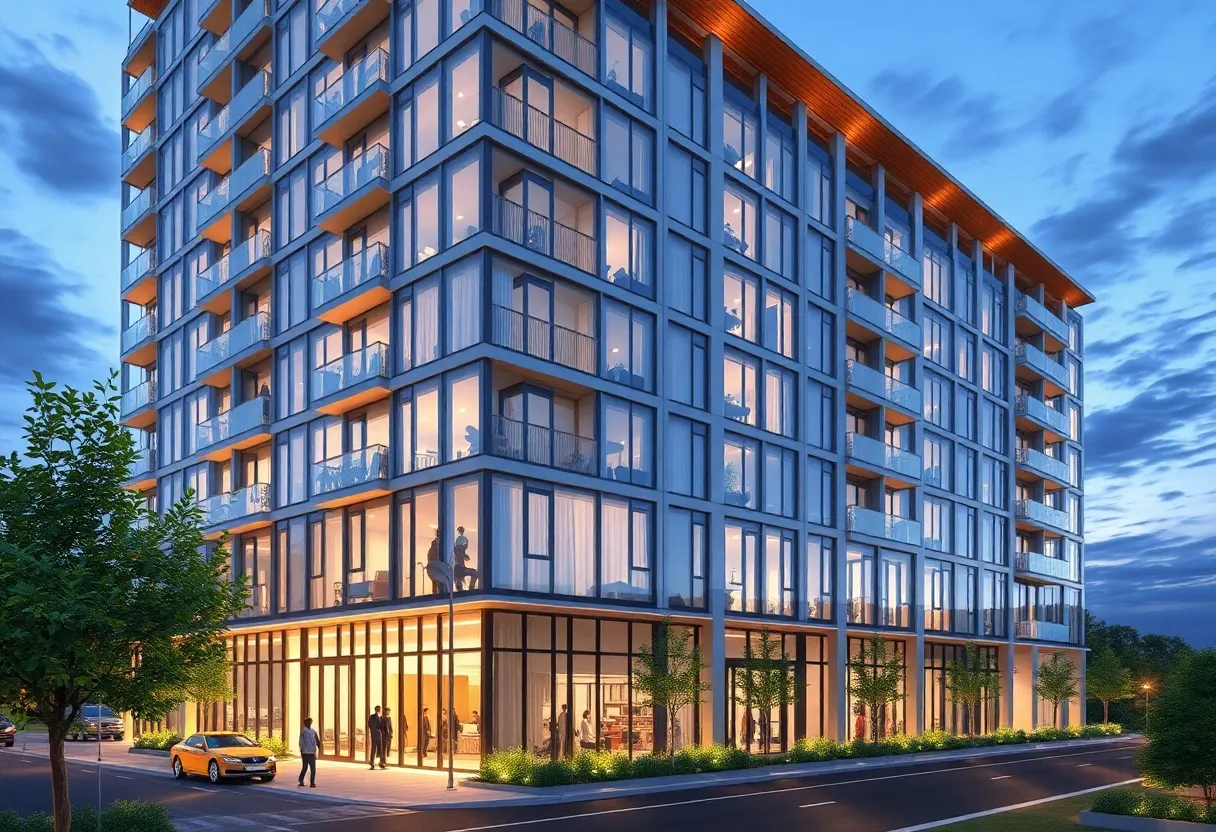
New York City – A 38-year-old office building in Manhattan’s Financial District is set to undergo a significant transformation into 169 residential apartments. The Department of Buildings has approved plans to convert the 235,000-square-foot structure at 40 Fulton Street into a modern living space, marking a notable shift in the area’s real estate landscape.
Conversion Details
The conversion project will repurpose the existing office space into 169 apartment units, catering to the growing demand for residential properties in Lower Manhattan. This initiative aligns with the city’s ongoing efforts to revitalize the Financial District by introducing more housing options and enhancing the neighborhood’s vibrancy.
Context and Background
Office-to-residential conversions have become a prevalent trend in New York City, especially in areas like the Financial District. The city’s zoning regulations have evolved to support such transformations, offering incentives and streamlined processes for developers. This approach aims to address housing shortages while breathing new life into underutilized commercial properties.
Historically, the Financial District has seen several successful conversions. For instance, the Liberty Tower, originally an office building, was transformed into residential units in the late 1970s, becoming one of the first such projects in the area. More recently, the Potter Building, a 19th-century office structure, was converted into apartments between 1979 and 1981, showcasing the potential of adaptive reuse in preserving architectural heritage while meeting modern housing needs.
These conversions not only provide additional housing but also contribute to the area’s economic growth by attracting new residents and businesses. The 40 Fulton Street project is expected to further this trend, offering a mix of studio, one-bedroom, and two-bedroom apartments, thereby diversifying the housing options available in the Financial District.
Implications for the Neighborhood
The transformation of 40 Fulton Street is anticipated to have several positive impacts on the Financial District. By increasing the residential population, the area is likely to experience a boost in local commerce, with more demand for retail, dining, and service-oriented businesses. Additionally, the influx of residents can lead to a more vibrant community atmosphere, with increased foot traffic and a greater sense of neighborhood identity.
As the project progresses, stakeholders, including local residents, business owners, and city officials, will be closely monitoring its development. The success of this conversion could serve as a model for future projects, demonstrating the viability and benefits of repurposing office buildings to meet the city’s evolving housing needs.
Conclusion
The planned conversion of 40 Fulton Street into 169 apartments represents a significant development in New York City’s ongoing efforts to adapt its urban landscape to contemporary demands. By transforming an aging office building into modern residential units, the project not only addresses housing shortages but also contributes to the revitalization and economic growth of the Financial District.
Frequently Asked Questions (FAQ)
What is the address of the building being converted?
The building located at 40 Fulton Street in Manhattan’s Financial District is being converted into residential apartments.
How many apartments will the conversion create?
The conversion project will create 169 residential apartments within the existing 235,000-square-foot building.
What types of apartments will be available?
The apartments will include a mix of studio, one-bedroom, and two-bedroom units, catering to a diverse range of residents.
How does this project fit into the city’s housing strategy?
The conversion aligns with New York City’s strategy to address housing shortages by repurposing underutilized office spaces into residential units, thereby revitalizing neighborhoods and meeting modern housing needs.
What are the expected benefits of this conversion for the Financial District?
The conversion is expected to increase the residential population, boost local commerce, and contribute to a more vibrant community atmosphere in the Financial District.
Key Features of the 40 Fulton Street Conversion Project
| Feature | Details |
|---|---|
| Address | 40 Fulton Street, Manhattan’s Financial District |
| Building Size | 235,000 square feet |
| Number of Apartments | 169 residential units |
| Apartment Types | Studio, one-bedroom, and two-bedroom units |
| Project Approval | Plans approved by the Department of Buildings |
| Neighborhood Impact | Expected to boost local commerce and enhance community vibrancy |
Now Happening on X
- @NYBizJournal (January 1, 2026): A Financial District office tower is joining the wave of conversions to residential housing, with plans filed to create 169 apartments while keeping some commercial space intact. View on X
- @NYBizJournal (December 31, 2025): A Financial District office tower is joining the wave of conversions to residential housing, with plans filed to create 169 apartments while keeping some commercial space intact. View on X
- @NYBizJournal (December 30, 2025): An office building at 100 William St. will join several other properties in the Financial District that are being transformed into residential spaces. View on X
- @NYBizJournal (December 31, 2025): A century-old Financial District office tower is joining the growing wave of conversions to residential use. View on X
- @NYBizJournal (December 29, 2025): A century-old Financial District office tower is joining the growing wave of conversions to residential use. View on X
- @UrbanCourtyard (December 4, 2025): Discussion on a building no longer profitable as office space, with potential $100M+ conversion to residential, highlighting tax benefits from landmark status. View on X
- @tradedny (December 30, 2025): Recent sale of a Manhattan office building from Paramount Group to Rithm Capital, reflecting ongoing market activity in commercial real estate. View on X
Deeper Dive: News & Info About This Topic
HERE Resources
Avdoo Partners Invests in Hudson Square for Luxury Housing
Summit Properties USA Proposes $451 Million Acquisition for NYC Rental Buildings
West Palm Beach Emerges as America’s Next Big Boomtown
Ken Griffin Completes Chicago Real Estate Divestment
Stock Up Now: Anticipated Home Goods Price Increases in NYC
Washington D.C. Sees Significant Decline in Hotel Bookings
$100,000 H-1B Visa Fee Ruling Affects New York Businesses
Google’s Year in Search Reveals Major Trends
Unlock Your Business Potential with Expert Solutions
Celebrating the Tradition of the Macy’s Thanksgiving Day Parade