
How to Cultivate a Beautiful Community Garden in the Heart of New York City
Establishing a community garden in New York City offers numerous advantages, ranging from environmental improvements to fostering social cohesion. This comprehensive guide outlines essential steps and considerations to successfully create and sustain a vibrant community garden amidst the city’s bustling urban landscape.
Understanding Community Gardens in NYC
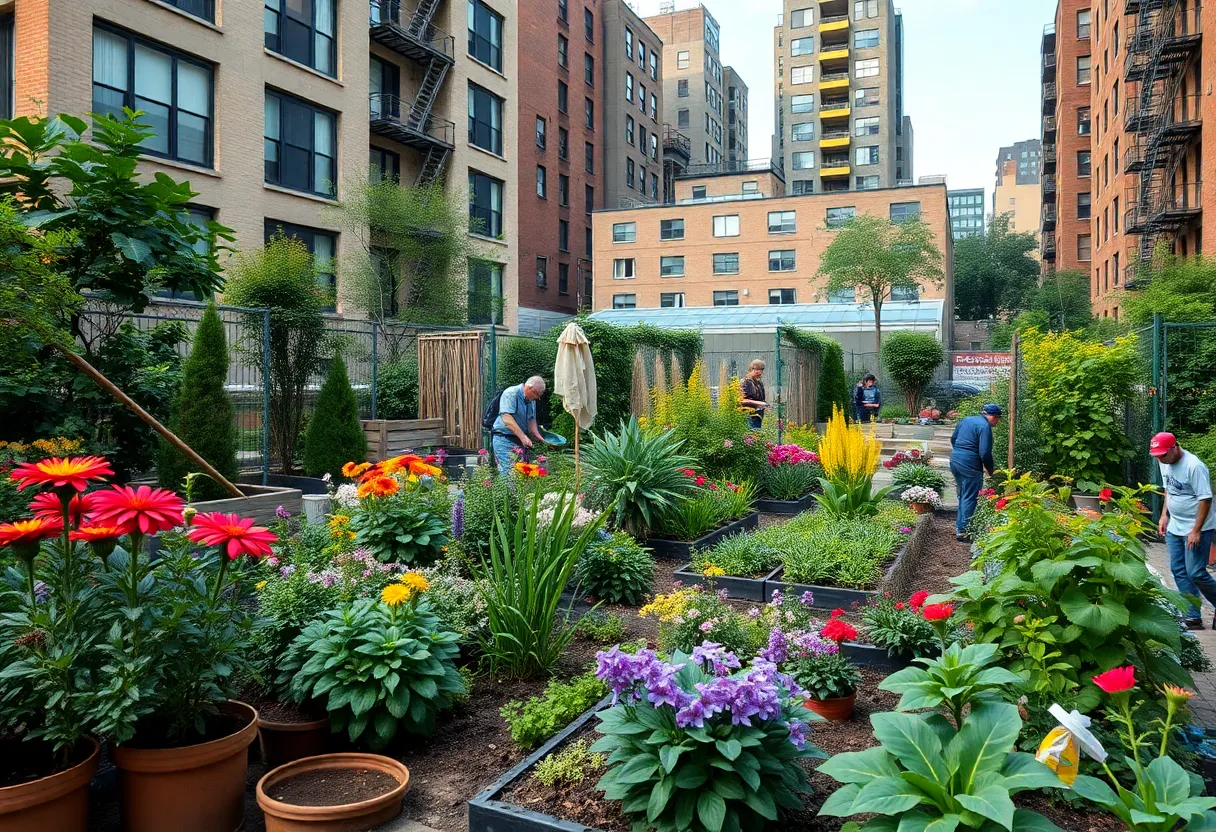
Community gardens are shared spaces where local residents work together to cultivate plants, vegetables, and flowers. These spaces transform vacant lots or unused areas into productive, accessible green environments. In NYC, they serve as vital urban oases, contributing to city resilience and community development. Managed typically by local groups or residents, these gardens emphasize collective stewardship and sustainable practices.
Benefits of Community Gardens
- Environmental Benefits: Community gardens reduce the urban heat island effect, mitigate stormwater runoff, and provide habitats for local wildlife. They contribute to improved air quality and biodiversity within densely populated neighborhoods.
- Social Advantages: These spaces foster opportunities for social interaction, community bonding, and skill-sharing. They serve as inclusive environments that encourage participation across diverse groups.
- Health Benefits: Access to fresh produce promotes healthier diets, while tending the garden involves physical activity that enhances overall wellness.
- Economic Opportunities: Gardens can stimulate local economies by providing fresh food and hosting community markets. They also create spaces for cultural events and educational programs that can generate revenue or support local businesses.
Steps to Establish a Community Garden in NYC
1. Assess Community Interest and Needs
Begin by conducting outreach to gauge interest among residents. Organize informational meetings, surveys, or workshops to understand what types of plants or amenities the community desires. Identifying shared goals helps define the garden’s purpose and ensures sustained participation.
2. Identify a Suitable Location
Select a site based on critical factors such as sunlight exposure, soil quality, accessibility, and proximity to water sources. Vacant lots, underutilized parks, or publicly owned land are potential options. Collaborate with local authorities to verify ownership and suitability for gardening activities.
3. Secure Land Access and Permissions
Gaining official permission is essential for long-term success. In NYC, many community gardens operate under agreements with city agencies or landowners. Formal arrangements safeguard access and protect the space from development or displacement. Programs dedicated to supporting community gardens often provide necessary legal frameworks and guidance.
4. Develop a Garden Plan
Create a detailed blueprint outlining layout, plant selections, and resource management. Define roles for participants, establish maintenance routines, and plan for community involvement. The plan should promote inclusivity, sustainability, and resilience.
5. Organize a Steering Committee
Form a core group responsible for governance and decision-making. This team coordinates workdays, manages resources, and mediates conflicts. Clear leadership helps foster accountability and ensures the garden aligns with community expectations.
6. Fundraising and Resource Acquisition
Sourcing essential funding is critical. Explore grants, donations, or partnerships with local businesses and institutions. Funds cover tools, soil amendments, seeds, infrastructure, and educational materials. Establishing a budget upfront streamlines resource allocation and project planning.
7. Engage the Community
Active participation is vital for sustainability. Organize workshops on planting, composting, and sustainable practices. Host volunteer days and educational events to foster ownership and ongoing involvement. Inclusive outreach ensures diverse neighborhood engagement.
8. Implement Sustainable Practices
Adopt environmentally friendly methods such as composting, rainwater harvesting, and organic pest management. These practices reduce long-term costs, lessen environmental impact, and promote healthy plant growth. Sustainability enhances the garden’s resilience and serves as an educational model for the community.
9. Establish Maintenance and Governance Structures
Develop clear guidelines for ongoing care, including watering schedules, pest control, and soil management. Regular meetings and transparent communication prevent misunderstandings. Establishing rules for conflict resolution and decision-making procedures is fundamental to maintaining harmony.
10. Monitor and Adapt
Regularly evaluate the garden’s progress and community satisfaction. Solicit feedback and adapt practices to meet evolving needs. Flexibility and continuous improvement are key to long-term success.
Legal and Regulatory Considerations
Understanding local regulations is imperative. Zoning laws and land use policies influence permissible activities, including the sale of produce. Land ownership status determines the necessary legal agreements and operational constraints. Compliance with city ordinances ensures the garden’s legitimacy and protection.
Resources and Support
Various programs and frameworks are available to support community gardens. They provide guidance, funding opportunities, and technical assistance. Utilizing these resources enhances planning, implementation, and sustainability efforts. Comprehensive planning materials facilitate a structured and effective approach to development and management.
Conclusion
Building a community garden in New York City is a strategic, impactful endeavor. It fosters environmental stewardship, social cohesion, and local resilience. Success depends on thorough planning, active community engagement, and sustainable practices. By following these core principles and leveraging available resources, residents can create vibrant green spaces that enrich urban life and unite neighborhoods through shared purpose and care.