
News Summary
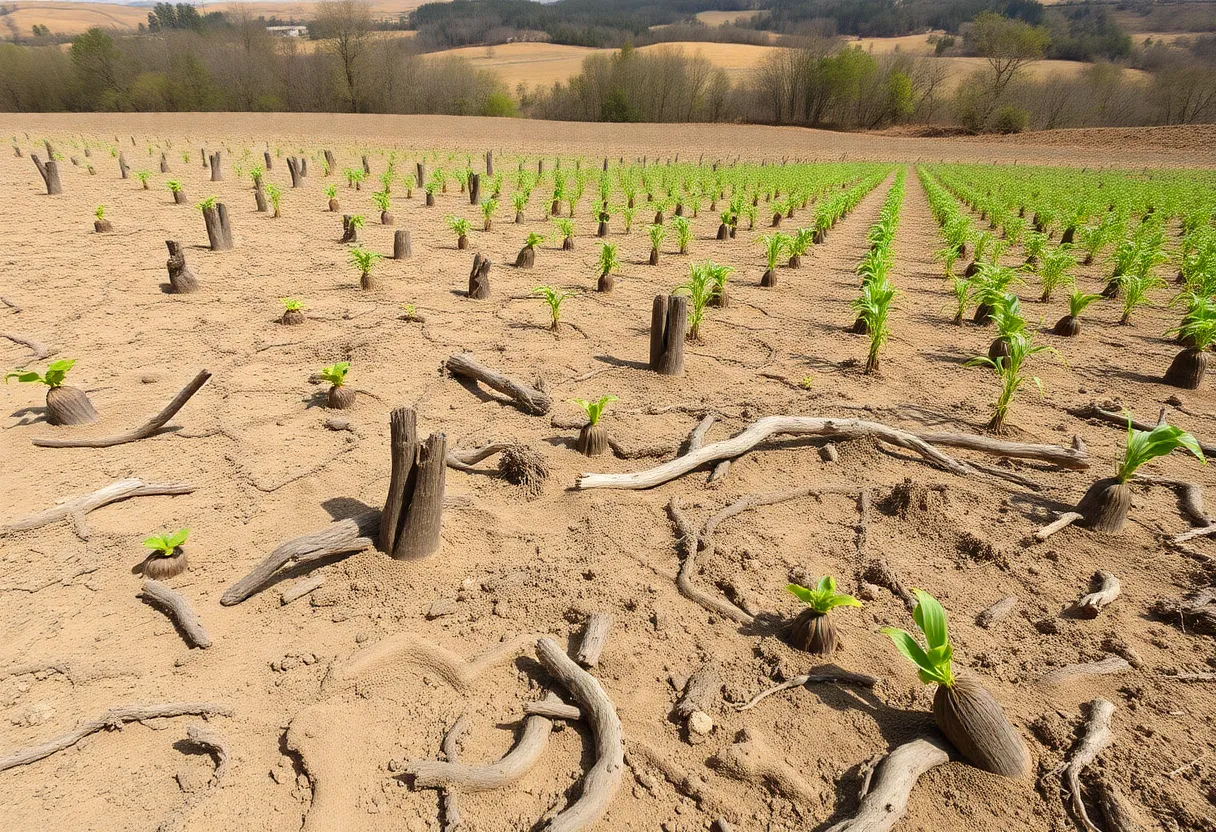
New York is grappling with a significant water crisis as the state issues a drought warning for parts of Western and Central New York. Several counties, including Chautauqua, Erie, and Monroe, are experiencing severe drought conditions. The prolonged lack of rainfall has led to reduced water levels, increased wildfire risks, and challenges for local agriculture. Residents are advised to conserve water voluntarily, with potential mandatory restrictions on usage if conditions worsen. A statewide burn ban is also in effect to mitigate wildfire risks.
New York is facing a growing water crisis as a drought warning has been issued by the state Department of Environmental Conservation (DEC) for parts of Western and Central New York. This warning affects several counties including Chautauqua, Erie, Niagara, Genesee, Orleans, Monroe, Wayne, Cayuga, Oswego, and Jefferson.
The impacted areas are now classified as either “abnormally dry” or “in a severe drought” according to the U.S. Drought Monitor scale, following a prolonged period of below-average rainfall. Many of these counties were previously under a drought watch, which indicates less severe conditions. As drought conditions worsen, residents can expect challenges such as stunted crop growth, increased fire danger, and declining surface water levels.
The DEC is warning of heightened wildfire risks and below-normal lake and reservoir levels in the areas affected by the drought. Residents of the worst-hit locations may experience poorer water and air quality, brittle vegetation, and reduced groundwater availability, all of which can have significant repercussions for both the environment and local agriculture.
In response to the worsening situation, the DEC is encouraging residents to engage in voluntary water conservation. However, should conditions deteriorate further, local agencies have the authority to impose mandatory restrictions on water use. Public water suppliers may also be required to implement additional conservation measures to manage dwindling resources.
To curb the potential for wildfires, a statewide burn ban has been enacted effective through October 15. This ban prohibits burning brush and debris, as well as any uncontained fires and open cooking fires. Small, contained campfires and backyard fire pits under 3 feet high and 4 feet long are still permitted.
Drought Conditions Detailed
Particularly affected is the Rochester area, which has transitioned into a severe drought following the driest recorded July-to-September period, receiving only 3.81 inches of rain since July 1. In comparison, normal rainfall for this season is approximately 10 inches. Buffalo has also reported the fourth driest July-to-September period, while Syracuse registered the 22nd driest.
As of now, 2025 has reached a striking 10 inches below normal precipitation levels for Buffalo, making it the driest year since 1935. Recent forecasts indicate that rain-free and unseasonably warm conditions are expected to persist in Upstate New York, with temperatures approaching the mid-80s, which is about 20 degrees above normal for early October.
Future Rain Predictions
While some rain is forecasted for the upcoming days on Tuesday and Wednesday, only up to an inch of rain is anticipated, which will not adequately address the significant precipitation deficit faced by the region. The continuation of these conditions poses serious threats to local agriculture, water supply, and overall community well-being in the affected areas.
Deeper Dive: News & Info About This Topic
- Syracuse.com: More Counties in Central NY Placed on State Drought Warning List
- Syracuse.com: Syracuse Ties Heat Record Amid Drought
- Syracuse.com: Drought Warning Issued for 12 Upstate NY Counties
- Syracuse.com: One Upstate City is in Severe Drought
- Syracuse.com: State Places 20 Counties on Drought Watch
- Wikipedia: Drought
- Google Search: Drought Conditions New York
- Google Scholar: Drought Impact on Agriculture
- Encyclopedia Britannica: Drought
- Google News: Drought New York