

News Summary
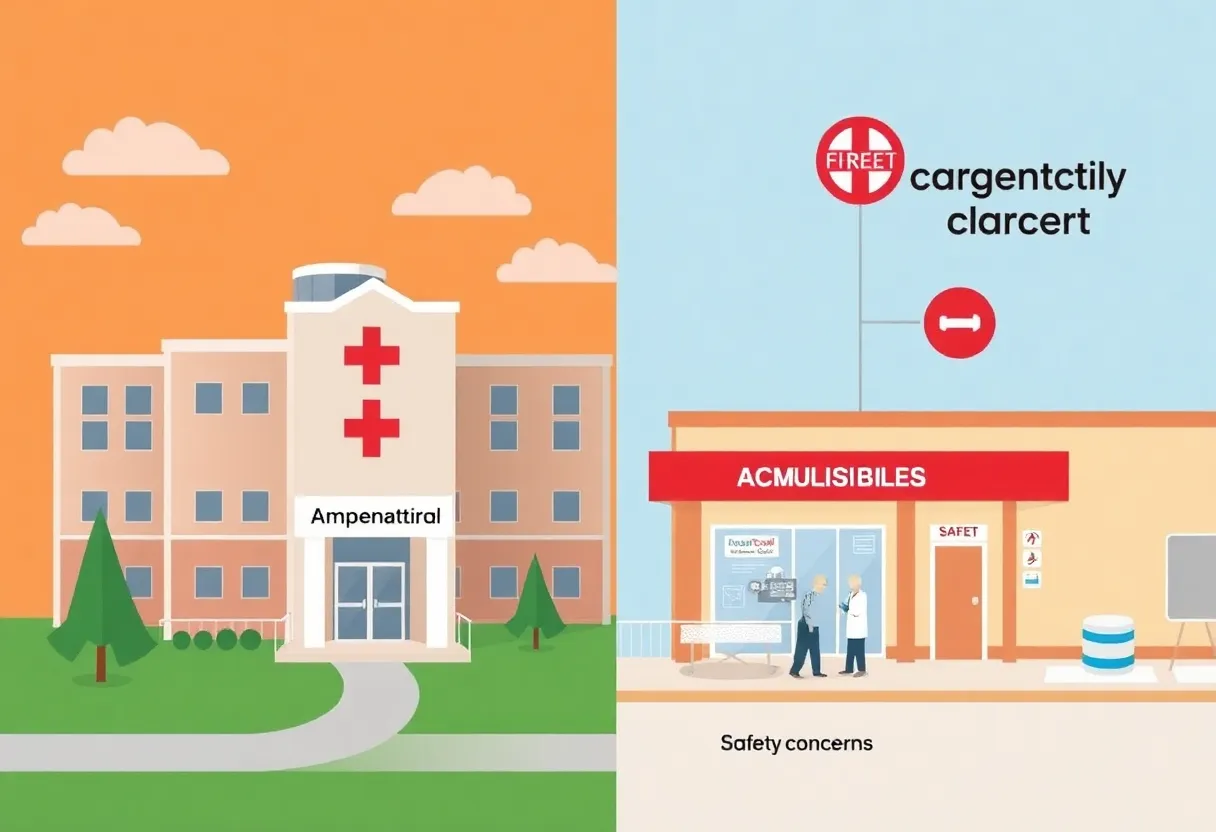
The New York State Department of Health is contemplating new regulations that would permit ambulatory surgery centers to perform cardiac catheterizations and coronary interventions. This proposal has sparked debate within the healthcare industry, with supporters highlighting improved patient access in underserved areas, while critics express concern over potential safety risks and financial impacts on hospitals. The discussions underline broader trends of moving profitable procedures to outpatient settings, with stakeholders divided on the implications of this change for patient care and hospital operations.
New York – The New York State Department of Health is actively considering new regulations that would allow ambulatory surgery centers (ASCs) to perform cardiac catheterizations and percutaneous coronary interventions, procedures commonly used to diagnose and treat heart disease. This potential shift in policy has ignited controversy within the healthcare sector, given the financial and safety implications involved.
The discussions surrounding this proposal reflect deeper tensions in the healthcare industry, particularly as profitable procedures are being increasingly moved from hospitals to outpatient centers. Supporters argue that enabling ASCs to handle these heart procedures could significantly enhance patient access to care, particularly in rural regions where hospital resources might be limited. However, critics raise concerns that such changes could financially strain hospitals and pose risks to patient safety.
Currently, the New York State Department of Health has not yet drafted formal regulations, and discussions are expected to continue into the next year. Early conversations among stakeholders reveal substantial divisions about the effects of the proposal on the healthcare landscape. One prominent health policy consultant highlights that shifting services away from hospitals raises critical questions regarding the benefits to patients and the motivations driving the market.
This proposal mirrors trends observed in other states that have already permitted similar procedures to be conducted in ASCs. The Department of Health is evaluating safety considerations as well as potential impacts on health equity among different patient demographics. There has been a notable increase in investments from health systems towards cardiac catheterization labs, propelled by an aging population and rising statistics related to heart disease.
Moreover, updated federal payment policies established since 2019 have incentivized outpatient providers to expand into these heart procedures. However, there are also worries that a surge in private equity-backed cardiology centers could lead to a decline in the quality of care delivered to patients. With hospitals concerned about the implications of ASCs performing these procedures, they fear a loss of funding for their cardiac programs and an imbalanced distribution of Medicaid patients, which could further complicate care delivery.
Safety concerns are another focal point in this debate, as complications arising during cardiac catheterizations often require emergency interventions that can only be performed in hospitals. This points to the necessity of ensuring that patients have continuous access to facilities equipped to handle such emergencies.
Advocates for the proposal, such as the New York State Association of Ambulatory Surgery Centers, assert that the regulations could significantly improve access to cardiac care, particularly in underserved rural areas. In contrast, entities like the Greater New York Hospital Association argue that the proposal addresses an issue that may not exist and emphasize the need for a more comprehensive analysis before implementing any changes.
Some experts suggest that a five-year pilot program be initiated to assess the feasibility and safety of such a transition, limiting participation to facilities that have demonstrated needs and established affiliations with hospitals. This could provide critical data to evaluate the potential impact on patients and the overall healthcare system.
The debate surrounding these proposed regulations continues to evolve, leaving many in the healthcare sector awaiting further developments from the New York State Department of Health. Whether the changes will enhance patient care or complicate the current system remains to be seen as discussions advance.
Deeper Dive: News & Info About This Topic
HERE Resources
AdventHealth Hospitals Achieve Top Rankings in U.S.
Additional Resources
- Crain’s New York: NY DOH Considers Allowing Cardiac Catheterization Outside Hospitals
- Wikipedia: Cardiac Catheterization
- JD Supra: Central New York Cardiology Experiences
- Google Search: Cardiology
- The New York Times: Partial Heart Transplants
- Google Scholar: Cardiac Procedures
- Nature: Cardiac Research Article
- Encyclopedia Britannica: Cardiac Surgery
- Cardiovascular Business: Surgeons Perform Open Heart Surgery on Baby Mid-Delivery
- Google News: Open Heart Surgery
- US News: St. Francis Hospital
- HIPAA Journal: Data Breach at Central New York Cardiology